
- India,
- 29-Jul-2026 08:46 PM IST



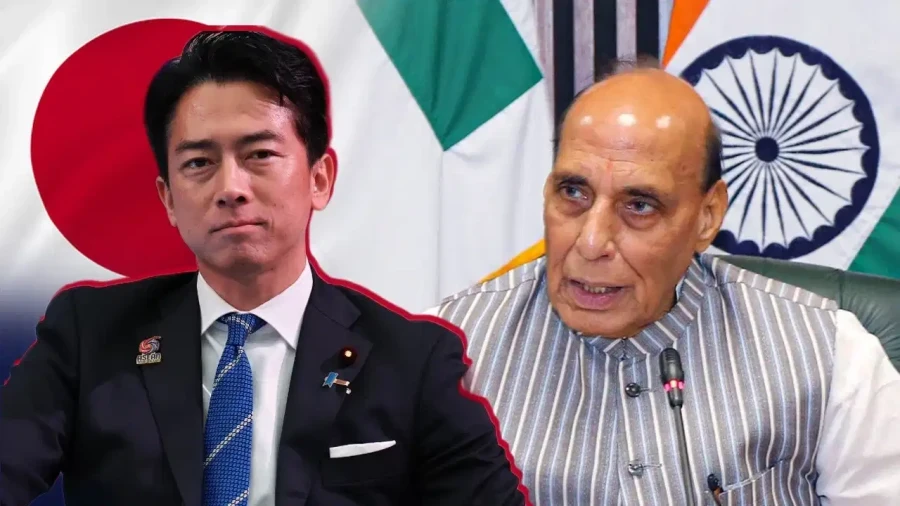
The government of Japan, under the leadership of Sana Takaichi, has officially moved forward with a historic proposal to establish a second capital for the nation. This significant development comes after years of deliberation, with the government now issuing a formal notification to identify and develop a secondary administrative hub. The primary driver behind this monumental shift is the increasing threat of a catastrophic earthquake striking the current capital, Tokyo, while while Tokyo has served as the heart of Japan since 1868, the geographical and geological vulnerabilities of the city have forced the administration to seek a viable backup to ensure the continuity of governance and national stability.
The Geological Threat to Tokyo
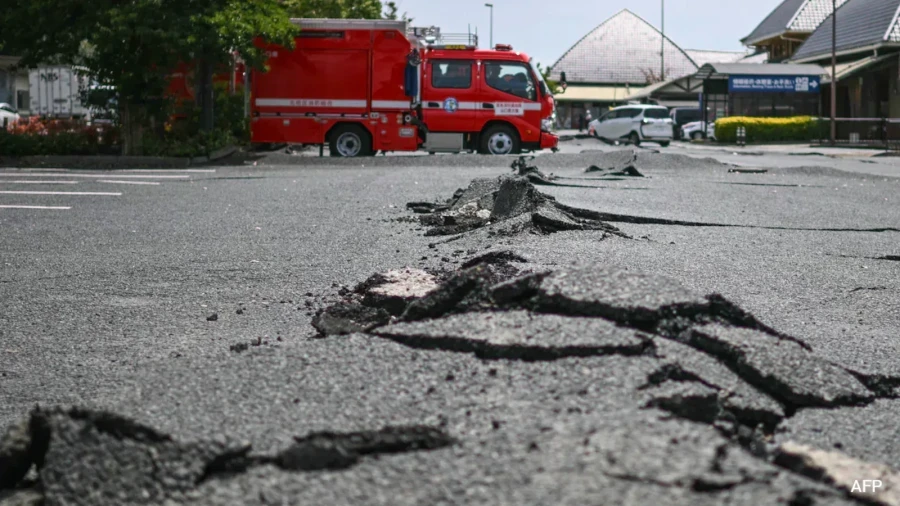
According to reports from Bloomberg, citing government data, Tokyo faces a precarious future over the next 30 years. Scientific assessments indicate a 70 percent probability of a magnitude 7 earthquake hitting the capital region within this timeframe. The geological foundation of Tokyo is particularly complex and dangerous, as it sits directly above active fault lines. The region is a meeting point for four major tectonic plates: the Pacific Plate, the Philippine Plate, the Eurasian Plate, and the North American Plate. The constant interaction and collision of these plates make Tokyo one of the most seismically active zones in the world, posing a constant threat to its infrastructure and population.
Concentration of Population and Economy
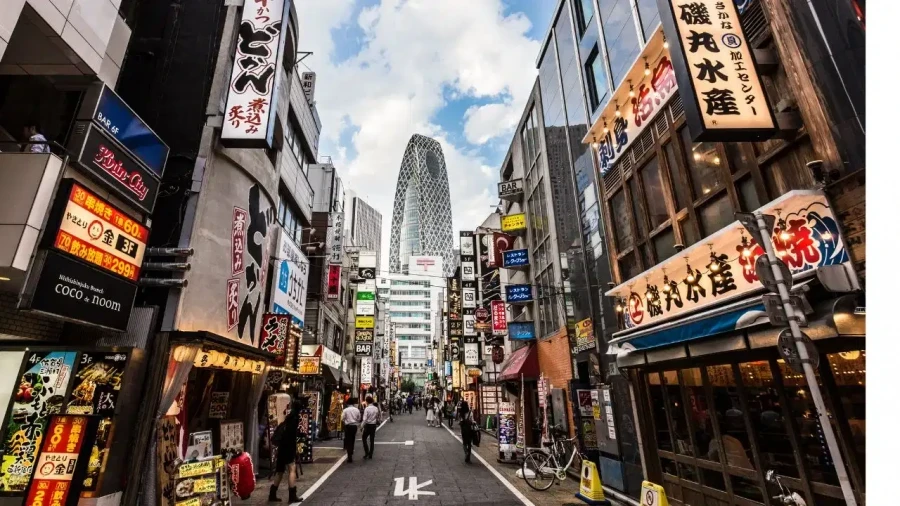
The report highlights that the current concentration of resources in Tokyo is a major point of concern for the government. At present, approximately 30 percent of Japan's total population resides in the Tokyo metropolitan area. Plus, the city serves as the primary economic engine of the country, hosting the headquarters of the vast majority of Japan's listed companies. Tokyo is also the largest hub for employment, meaning that any major disaster in the capital wouldn't only lead to a humanitarian crisis but would also paralyze the national economy and corporate operations, while this extreme centralization has made the creation of a backup capital an urgent priority for the Sana Takaichi administration.
A Decade of Planning for a Backup Capital
The concept of a second capital isn't a new idea in Japanese politics. The government has been preparing for this possibility since 2010, when the initial discussions regarding a backup administrative center were first introduced. The vision is to create a city that can function as a fully operational backup. In the event of a major disaster or accident in Tokyo that renders the primary capital non-functional, the government would be able to seamlessly transition its operations to this new secondary capital, ensuring that the country remains governed and stable during a crisis.
Candidate Cities and Selection Criteria
Several cities are currently being considered for this prestigious and vital role. Osaka is widely regarded as the frontrunner in the race to become the second capital. As a historic city with significant cultural and economic importance, Osaka already possesses much of the necessary infrastructure, while however, other cities such as Miyagi, Hokkaido, and Fukuoka are also strong contenders. The government's notification specifies that any city chosen to be developed as a capital must meet four critical criteria: 1. Sufficient government infrastructure to support administrative functions. 2. A high level of economic development. 3. A substantial population size. 4. Proven administrative capacity to handle capital-level responsibilities.
Political Controversy and Opposition
Despite the strategic necessity cited by the government, the proposal has met with political resistance. Opposition parties in Japan have raised concerns regarding the timing and the potential political motives behind the move. Some critics argue that the decision to promote Osaka as a secondary capital could disproportionately benefit the Japan Innovation Party, leading to a heated debate within the Japanese parliament. As the government moves forward with the proposal approved by the cabinet, the discussion over the future of Japan's administrative heart continues to intensify.