
- India,
- 31-May-2026 04:05 PM IST



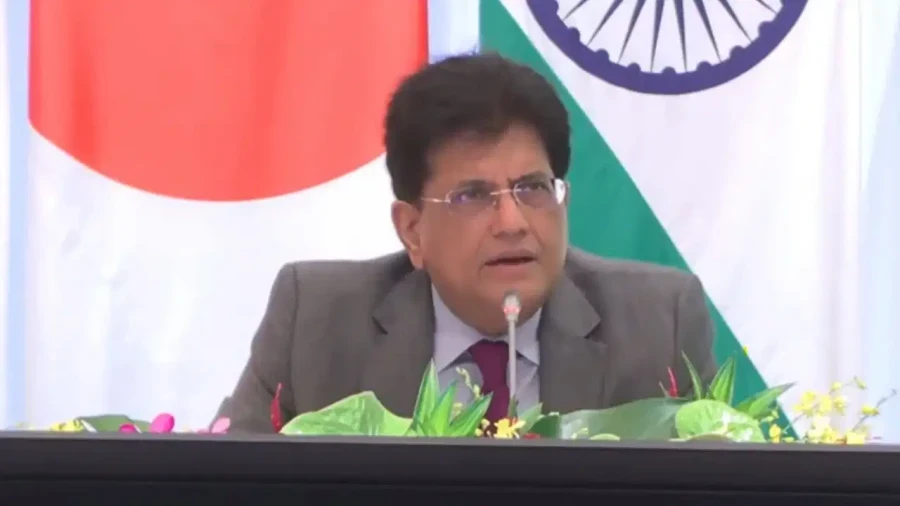
During the high-profile Shangri-La Dialogue security summit held in Singapore, Japan's Defense Minister Shinjiro Koizumi delivered a firm rebuttal to China's recurring accusations of neo-militarism, while koizumi addressed the international gathering, stating that labeling Japan as a militaristic nation is fundamentally incorrect and factually unsupported. He emphasized that Japan's defense posture is defensive in nature, particularly highlighting the fact that Japan doesn't possess nuclear weapons, unlike the nations leveling these accusations.
The Nuclear Arsenal and Militarism Debate
Defense Minister Koizumi pointed out the stark contrast between Japan's military capabilities and those of its critics. Without explicitly naming China in every instance, he noted that there is a nation in the region that maintains a massive stockpile of nuclear weapons and strategic bombers, while in contrast, Japan has no such offensive weaponry. According to military experts, China currently possesses more than 600 nuclear weapons and has set a strategic target to increase this number to 1000 in the coming years. Koizumi expressed surprise that despite this disparity, Japan is the one being branded with the label of militarism.
Japan's Evolving Defense Policy under PM Sanae Takaichi
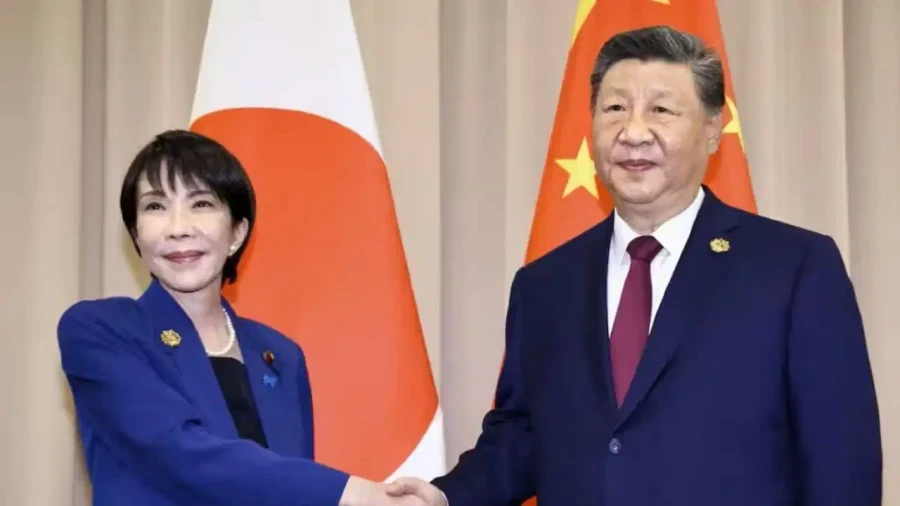
The current shift in Japan's security framework is taking place under the leadership of Prime Minister Sanae Takaichi. Since the end of World War II, Japan has strictly followed a pacifist policy. However, the Takaichi administration is now focusing on strengthening the nation's security and defense policies to address modern geopolitical challenges. With the strategic support of the United States, Japan is enhancing its defense capabilities. Beijing has been a vocal critic of this evolution, claiming that Japan's move toward increasing its military strength could lead to instability across Asia.
Rising Tensions over Taiwan and Regional Security
The diplomatic friction between Tokyo and Beijing intensified Notably in November of last year. At that time, Prime Minister Sanae Takaichi stated that Japan might consider military intervention if China attempted to forcibly take control of Taiwan. While Taiwan is a self-governing island, China claims it as its own territory. This statement by the Japanese leadership has become a major point of contention in bilateral relations. Koizumi reiterated that China's continuous military expansion and its lack of transparency regarding its defense budget and intentions are matters of serious concern for Japan.
The Significance of the Shangri-La Dialogue
The Shangri-La Dialogue is recognized as Asia's premier defense and security summit, attended by ministers and experts from approximately 45 countries. This year, the event saw a smaller delegation from China. For the second consecutive year, Chinese Defense Minister Dong Jun didn't attend the conference. Koizumi expressed his regret over the absence of his Chinese counterpart, noting that he had hoped for a face-to-face meeting to discuss regional security issues. He concluded by reaffirming that Japan has always been a peace-loving nation and that its global reputation wouldn't be altered by unfounded allegations.