
- India,
- 01-Sep-2026 08:43 AM IST



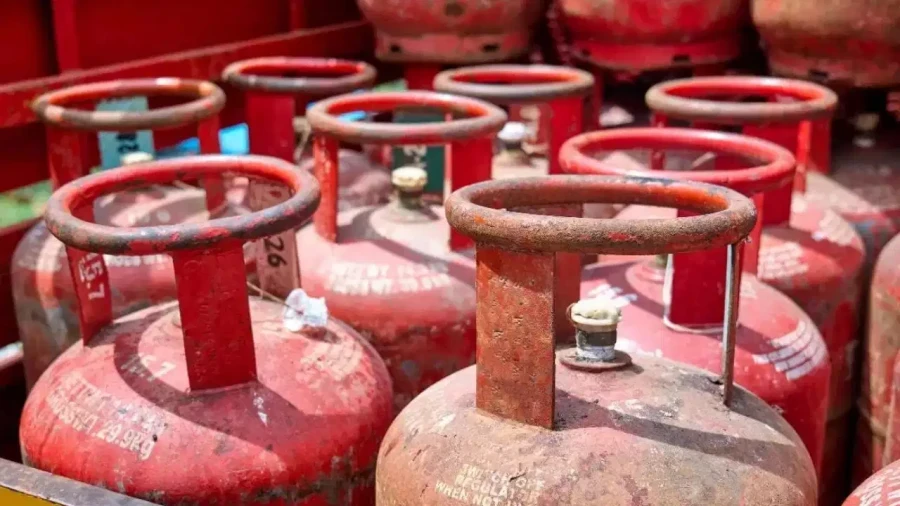
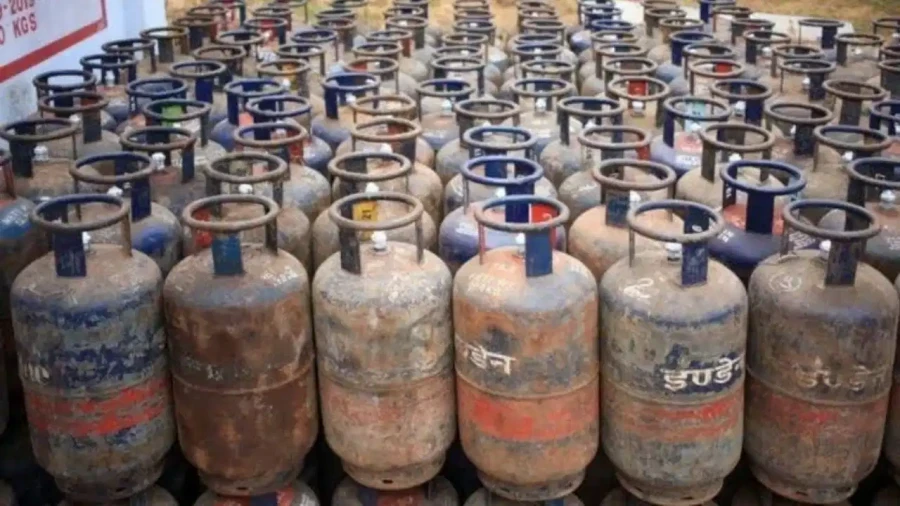
The prices of commercial Liquefied Petroleum Gas (LPG) cylinders have witnessed an upward revision starting from September 1. Oil marketing companies have announced an increase in the rates of 19 kg commercial gas cylinders across major metropolitan cities. This price hike comes at a time when businesses are preparing for the upcoming festive season, potentially impacting the operational costs of various establishments. According to the latest update, the price of a commercial LPG cylinder has been increased by 9 rupees 50 paise. This adjustment in prices is effective immediately from the first day of the month, following the routine monthly review conducted by oil marketing firms.
New Rates in Major Cities
With the implementation of the new rates, the cost of a 19 kg commercial LPG cylinder in Delhi has risen to 2747 rupees 50 paise. Previously, the price of the same cylinder in the national capital was 2738 rupees. Similarly, in Chennai, the price has seen an upward movement from 2906 rupees to 2916 rupees 50 paise. These price variations are often influenced by local taxes and other applicable charges, which means the final retail price may vary slightly from one city to another, while the increase of 9 rupees 50 paise, while seemingly small per unit, can accumulate into a significant expense for large-scale commercial users who consume multiple cylinders daily.
Impact on Businesses and Restaurants
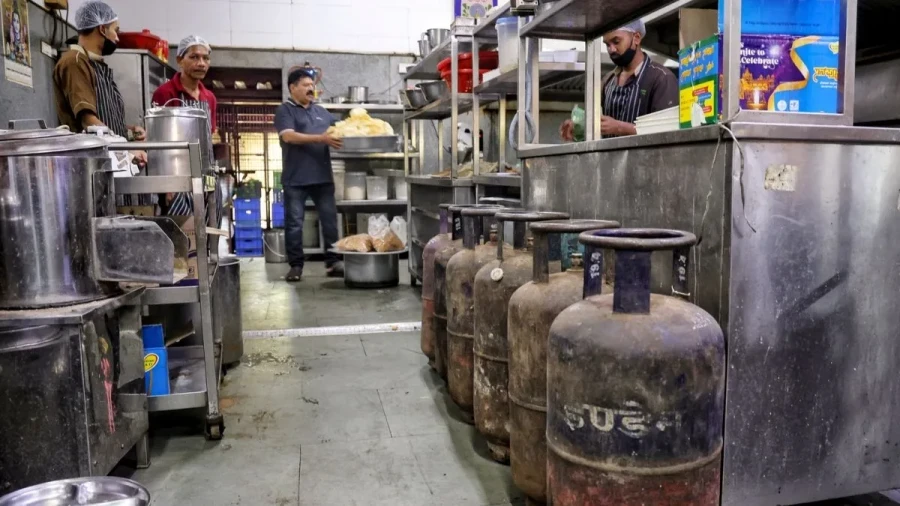
The hike in commercial LPG prices is expected to have a direct impact on several sectors, while establishments such as restaurants, hotels, dhabas, and roadside eateries are among the primary consumers of 19 kg cylinders. On top of that, bakeries and sweet shops, which see a surge in demand during the festive season, will also feel the pressure of increased fuel costs. Industry experts suggest that a continuous rise in commercial cooking fuel prices could lead to higher operating expenses for these businesses. Ultimately, this might result in a slight increase in the prices of food items and other services offered by these establishments to the end consumers. During the festive season, the cost of sweets and restaurant meals could potentially see an upward trend due to these revised fuel rates.
Relief for Domestic Consumers
In a significant relief for households, the prices of domestic LPG cylinders have remained unchanged. 2 kg domestic gas cylinders, which are used in homes for daily cooking, have not been affected by the September 1 price revision. While commercial LPG rates have seen frequent fluctuations in recent months, domestic LPG prices have remained largely stable. This stability ensures that the monthly budget of common households remains unaffected by the current hike in the commercial segment. The distinction between the two categories highlights the targeted nature of the price adjustment, focusing solely on commercial and industrial usage.
Historical Context and Market Trends
The recent increase of 9 rupees 50 paise follows a period of significant price reductions. In August, oil marketing companies had implemented a substantial cut in the prices of commercial LPG cylinders. This followed another round of price reductions in July, which had provided much-needed relief to commercial consumers. That's why, the current hike is viewed as a minor adjustment after the heavy cuts witnessed in previous months, while interestingly, the source text notes that the year 2026 has seen considerable fluctuations in commercial LPG rates. Oil marketing companies typically review and revise LPG prices on the first of every month based on international market trends and currency exchange rates. Customers and business owners are advised to check the applicable rates in their specific cities before booking their cylinders, as local levies can cause price differences across different regions.