
- India,
- 05-Jun-2026 03:47 PM IST



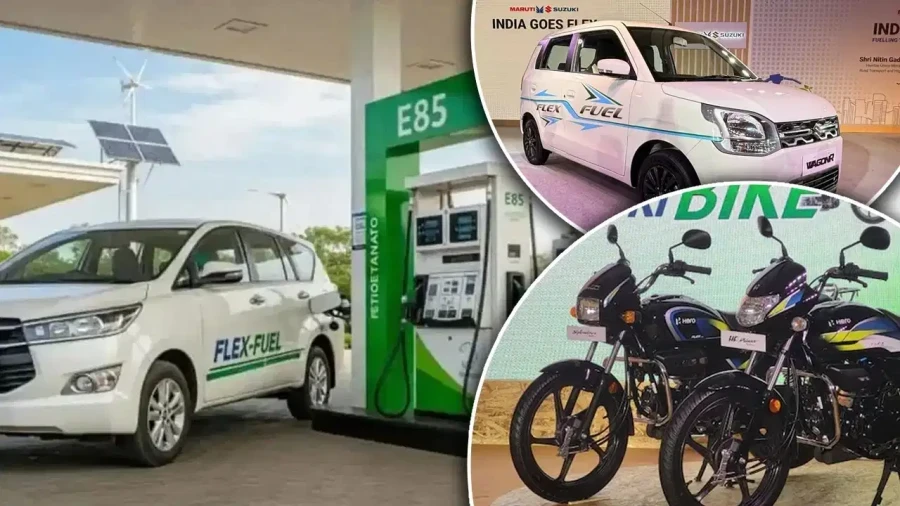
The Indian automotive landscape is witnessing a significant shift as the government intensifies its efforts to promote alternative fuels to curb rising petrol prices and reduce consumption. In a major move towards sustainable mobility, flex-fuel technology has taken center stage. Recently, Maruti Suzuki showcased its Wagon R flex-fuel car, following Hero MotoCorp's launch of the flex-fuel versions of its iconic Splendor Plus and HF Deluxe motorcycles. This emerging technology allows vehicles to run on a blend of petrol and ethanol, marking a pivotal moment for the country's auto sector as it moves towards a greener future.
Understanding Flex-Fuel Technology
Flex-fuel, or flexible fuel, is a combination of two different types of fuel, typically petrol mixed with ethanol or methanol, while this mixture provides vehicles with the flexibility to operate on various fuel blends. The government is actively working to establish the necessary infrastructure for this transition. Initially, between 50 and 100 flex-fuel stations are planned for major cities such as Delhi-NCR, Pune, Mumbai, and Nagpur. The network is expected to expand Notably, with a target of approximately 5,000 flex-fuel stations across India by the end of 2027. This infrastructure development is crucial for the widespread adoption of flex-fuel vehicles.
What is Ethanol and How is it Produced?
Ethanol is an alcohol-based fuel primarily produced from sugarcane. However, it can also be manufactured from various other sources containing starch. These include corn, rotten potatoes, cassava, and certain types of decayed vegetables. By utilizing these agricultural products and waste, ethanol production provides a sustainable way to fuel vehicles while supporting the agricultural sector. The flexibility of ethanol production ensures that the country can benefit from its domestic resources to meet energy demands.
Types of Flex-Fuel Blends
Flex-fuel is categorized based on the percentage of ethanol mixed with petrol. The common types include E-5, which contains 5% ethanol and 95% petrol; E-10, consisting of 10% ethanol and 90% petrol; E-20, with 20% ethanol and 80% petrol; and E-85, which is a high-blend mixture of 85% ethanol and 15% petrol. These variations allow for a gradual transition from traditional petrol to higher ethanol concentrations as engine technology and infrastructure evolve.
Benefits of Flex-Fuel Technology
The primary advantage of flex-fuel is that ethanol is a clean and green fuel. Since it's derived from crops like sugarcane and corn, it reduces the reliance on petrol and decreases the need for importing crude oil from other countries. This reduction in imports means the nation spends less on foreign fuel, strengthening the economy. Also, ethanol blends help in reducing pollution, while while burning petrol and diesel releases smoke and harmful gases into the atmosphere, the addition of ethanol can mitigate these effects to a certain extent. This environmental benefit is why many countries globally are promoting flex-fuel technology, and India has now joined this revolution.
Government Support and Vehicle Capabilities
The Indian government is strongly advocating for ethanol, and flex-fuel vehicles are designed to run on any blend ranging from pure petrol to 100% ethanol (E100). These vehicles don't require a fixed fuel type; a single tank can be filled with petrol, ethanol, or any mixture between E20 and E85. Since ethanol can be produced domestically, it reduces dependence on other nations for oil. Many companies are now developing engines specifically designed to operate efficiently on E85 and E100 ethanol-based fuels.
Maruti Suzuki's Flex-Fuel Entry
Maruti Suzuki, one of India's leading automobile manufacturers, has introduced its popular Wagon R model with flex-fuel technology. The Wagon R has a history of bringing change to the Indian market by adopting alternative fuels like CNG and LPG, and it's now stepping into the flex-fuel segment, while maruti Suzuki is expected to announce the pricing for the Wagon R flex-fuel model soon, with expectations that it will fall within the price range of the CNG variants. This car is capable of running on up to 85% ethanol blend, which will Importantly contribute to reducing the country's oil import bill.
Hero MotoCorp's Flex-Fuel Motorcycles
On the two-wheeler front, Hero MotoCorp has launched two new flex-fuel motorcycles: the Splendor Plus and the HF Deluxe. The Splendor Plus flex-fuel is priced at approximately 82,710 rupees, while the HF Deluxe flex-fuel is priced at around 72,792 rupees. Sales for these models are scheduled to begin in July 2026, starting in Delhi and Maharashtra before expanding nationwide. Both motorcycles are capable of running on up to 85% ethanol blends. 3 Nm of torque. Additional features include a digital-analog meter, tubeless tires, side stand engine cut-off, and idle stop-start technology.
The Future of the Auto Sector
The future of vehicles in India is set to change as consumers gain the freedom to choose between petrol and ethanol at the pump. This flexibility will be particularly beneficial if petrol prices rise, as drivers can opt for ethanol. Also, this technology creates a new synergy between the agricultural and automotive sectors, as farmers stand to benefit from the increased demand for crops used in ethanol production. This shift promises a more sustainable and economically independent future for the Indian transport industry.