

- India,
- 06-Feb-2026 10:27 PM IST


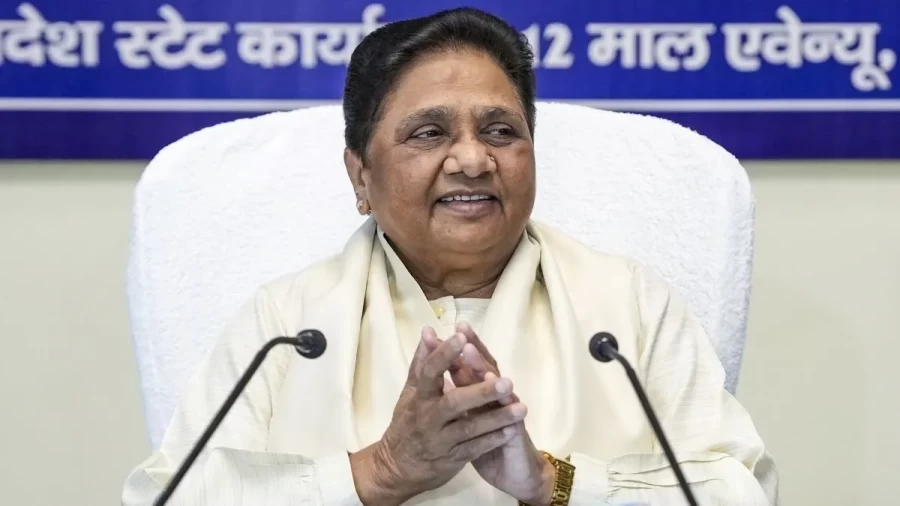
Bahujan Samaj Party (BSP) supremo Mayawati is once again attempting to activate her successful 'Social Engineering' formula in Uttar Pradesh politics, while amidst the ongoing controversy surrounding the title of the film 'Ghooskhor Pandat', Mayawati has issued statements in support of the Brahmin community. According to political analysts, this move isn't merely an objection to a film title but a calculated strategy to woo Brahmin voters back to the BSP fold ahead of the 2027 assembly elections. Mayawati emphasized through social media that her party has always stood for the respect of all sections of society.
The Historic 2007 Social Engineering Model
The year 2007 is considered a milestone in the political history of Uttar Pradesh. At that time, Mayawati transitioned from 'Bahujan' to 'Sarvajan', creating a unique Dalit-Brahmin alliance. According to analysts, the BSP fielded a record 86 Brahmin candidates in that election. The result of this strategy was significant, as 41 Brahmin candidates won their seats. This social engineering enabled Mayawati to form a majority government with 206 seats. Slogans like 'Haathi nahi Ganesh hai, Brahma Vishnu Mahesh hai' effectively changed the political discourse of the state during that period.
Brahmin Representation and Strategic Shifts in Power
During her 2007 tenure, Mayawati didn't just offer tickets to Brahmins but also provided them with significant roles in the administration. Seven Brahmin ministers were inducted into the cabinet, sending a strong political message. By projecting leaders like Satish Chandra Mishra as the face of the party, the BSP aimed to prove it wasn't limited to a specific caste, while mayawati established Brahmin Bhaichara (Brotherhood) committees and organized state-wide conventions, which increased the party's acceptability among upper-caste voters.
Current Political Challenges and the Road to 2027
The current political standing of the BSP is vastly different from 2007. The party has been out of power in Uttar Pradesh since 2012, and its performance has seen a downward trend in recent elections. In the 2022 assembly elections, the BSP secured only 1 seat, and it failed to open its account in the 2024 Lok Sabha elections. Experts believe that with the rise of the BJP, Brahmin voters have largely shifted towards the saffron party. Through her recent birthday address on 15 January and her stance on the film controversy, Mayawati is signaling that Brahmins will receive full respect if her government returns in 2027.
Expert Analysis and Political Reactions
According to political analysts, the landscape of Uttar Pradesh has changed drastically between 2007 and 2027. Back then, there was strong anti-incumbency against the Samajwadi Party, and the BJP was in a weaker position, which benefited the BSP. However, the BJP now possesses a strong organizational structure and a Hindutva agenda that resonates deeply with upper-caste voters. UP Tourism Minister Jaiveer Singh stated that the upper castes, especially Brahmins, are now firmly with the BJP and aren't looking for alternatives. Experts suggest that reclaiming her old base will be a formidable challenge for Mayawati.
Conclusion: Can History Repeat Itself?
The sympathy shown by Mayawati towards Brahmins using the 'Ghooskhor Pandat' film row as a catalyst indicates her future electoral roadmap. However, with the erosion of her Dalit vote bank and the BJP's strong grip on upper castes, whether the 19-year-old miracle can be repeated remains a significant question. The upcoming by-elections and local body polls in Uttar Pradesh will serve as the first test for this revived strategy, while for now, Mayawati's stance has certainly sparked a new debate in the state's political circles.
