
- India,
- 17-Jun-2026 11:48 AM IST



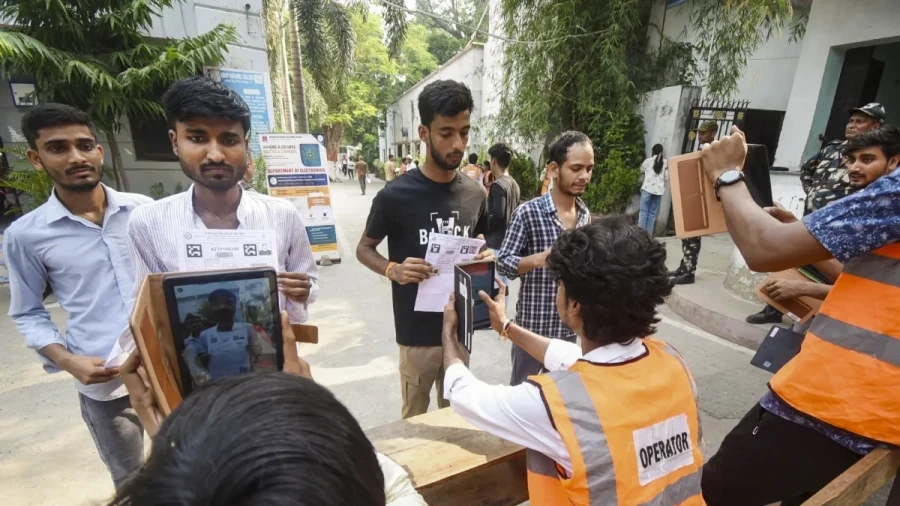
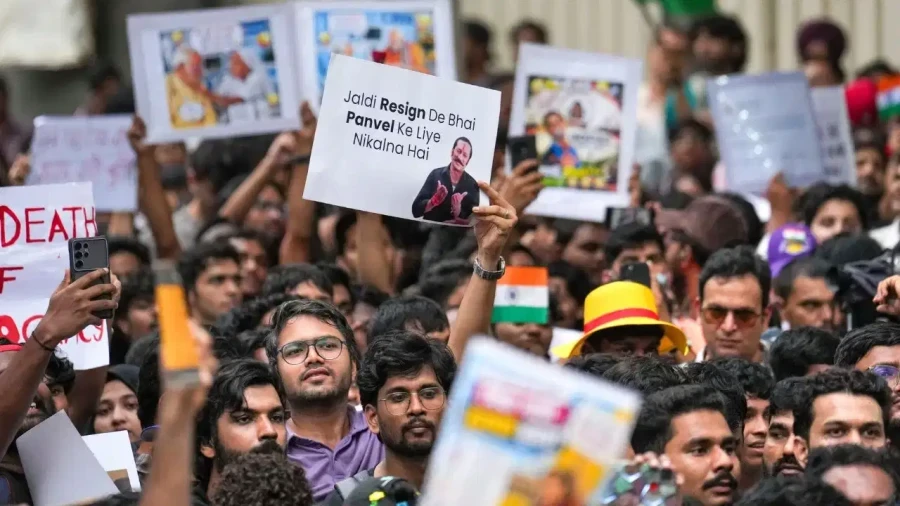
Ahead of the NEET Re-Exam 2026 scheduled for June 21, the Indian government has taken a significant step by temporarily blocking the popular messaging platform Telegram. This move has sparked a widespread debate among students and the general public, leading many to wonder why Telegram was singled out while WhatsApp continues to operate without any restrictions, while the decision was made following a recommendation from the National Testing Agency (NTA), which is responsible for conducting the medical entrance examination.
The Legal Basis for the Ban
The Ministry of Electronics and Information Technology issued the order to block Telegram under Section 69A of the IT Act. This specific provision empowers the government to restrict access to any content or platform in the interest of national security, public order, or to prevent the incitement of any cognizable offense. According to the official directive, the block is temporary and is slated to remain in effect until June 22, covering the critical period surrounding the NEET Re-Exam 2026.
Why Telegram Was Targeted
The primary reason behind the temporary suspension of Telegram lies in the platform's unique features, which were allegedly exploited by a large-scale fraud network targeting medical aspirants. According to reports from Moneycontrol, the investigation into paper leak allegations highlighted Telegram's message editing feature as a major tool for deception. Unlike many other platforms, Telegram allows administrators to edit messages long after they've been posted while maintaining the original timestamp. Fraudsters used this capability to insert question papers into old posts, creating a false impression that the paper was available on the platform well before the actual exam time. They would then share screenshots of these edited messages as proof of a leak to scam worried students.
The Role of Public Channels and Searchability
Another factor that distinguished Telegram from other messaging apps in this investigation is its massive public broadcasting and searchable channel system. Telegram is often described as a broadcasting powerhouse because it allows a single admin to reach millions of users simultaneously through public channels, while these channels are easily discoverable through the app's search function, making it a fertile ground for fraud networks to reach a vast audience of students quickly. The authorities concluded that the specific networks under investigation were heavily based on Telegram's infrastructure, which facilitated the rapid spread of misinformation and fraudulent claims.
Why WhatsApp Remained Unaffected
The government's logic for not blocking WhatsApp is based on the fundamental differences in how the two platforms operate. While WhatsApp is also a messaging tool, its ecosystem is Importantly more limited and controlled compared to Telegram. WhatsApp accounts are strictly tied to individual phone numbers, which provides a higher level of accountability. Also, WhatsApp is primarily designed for communication between known contacts and closed groups. It doesn't possess the same large-scale public broadcasting or searchable channel system that Telegram offers, while while misinformation can still spread on WhatsApp, the government noted that the platform didn't play the same role as Telegram in the specific fraud network being investigated. The structure of WhatsApp makes it much harder for anonymous actors to broadcast fake evidence to millions of strangers at once.
Conclusion of the Investigation Findings
The NTA and government officials emphasized that the decision wasn't an attack on the platform itself but a necessary measure to ensure the integrity of the NEET Re-Exam 2026. The investigation revealed that the fraud network specifically utilized Telegram's message editing and public broadcasting features to manipulate students. By blocking the app until June 22, the government aims to prevent the further creation and dissemination of fake paper leak proof during the examination window. The contrast between Telegram's open, broadcast-heavy nature and WhatsApp's more private, number-linked system was the deciding factor in this regulatory action.