
- India,
- 23-Sep-2026 09:06 AM IST



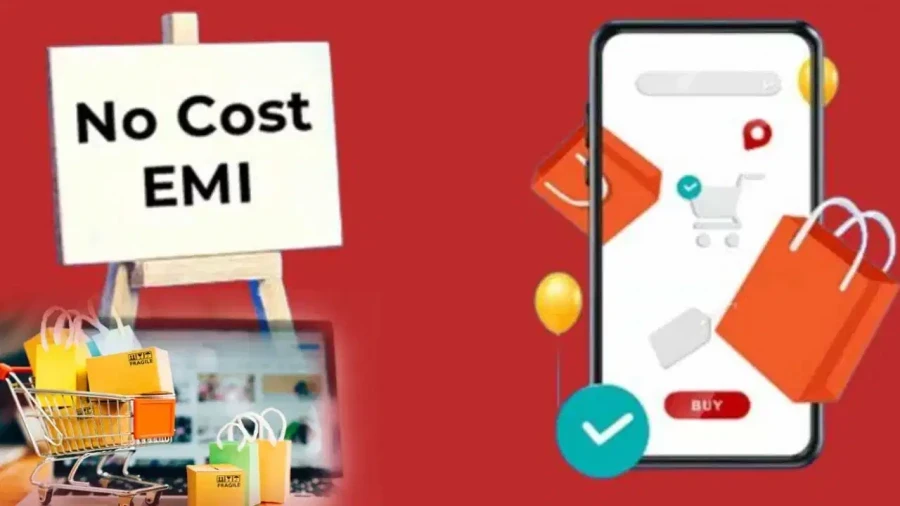
There was a time when consumers would think multiple times before purchasing goods on credit or through loans. The primary concerns were often related to high interest rates, tedious paperwork, and the overall burden of paying a price much higher than the actual cost of the product. However, the landscape of shopping has undergone a significant transformation in recent years. Today, purchasing essential household items such as televisions, refrigerators, washing machines, air conditioners, and smartphones on Equated Monthly Installments (EMI) has become a common practice among consumers. Many companies and retailers now offer what is popularly known as No Cost EMI or interest-free EMI on various products.
The Mechanism of No Cost EMI
At first glance, these offers appear highly attractive to customers, as they promise the convenience of breaking down a large payment into smaller monthly parts without any additional interest burden. However, it's crucial for consumers to look beyond the surface. In a No Cost EMI arrangement, while the customer is generally not charged a separate interest amount, the underlying financial structure is different. In many cases, the manufacturer or the retailer pays the interest amount to the bank or the finance company in the form of a subsidy. This means the interest is effectively built into the transaction behind the scenes.
Identifying Hidden Costs and Extra Charges
Before deciding to purchase an electronic item on EMI, one shouldn't make a decision based solely on the No Cost EMI label. It's essential to gather complete information regarding the total cost of the loan and all associated charges, while even in a No Cost EMI scheme, a customer might have to bear additional expenses. These can include processing fees, taxes, or other administrative charges that aren't immediately obvious. Also, in some instances, choosing an EMI offer might mean that the customer has to forego the normal cash discounts or promotional rebates available on a direct purchase, while Because of this, it's vital to compare the final price of the product when paid in cash versus the total amount paid through EMI to understand the actual difference.
Verifying the Lender and Data Privacy
When purchasing goods on EMI, it's equally important to verify the entity providing the loan. Customers should check whether the bank or the Non-Banking Financial Company (NBFC) is registered with the Reserve Bank of India (RBI). Dealing with registered and regulated entities ensures a level of security and adherence to financial norms. On top of that, while applying for a loan, consumers should be cautious about the digital permissions they grant. It's advised to allow access only to the necessary digital information required for the loan process to protect personal data privacy.
Financial Responsibility and Credit Impact
While the EMI facility makes it easier to acquire expensive items, it also adds a new monthly financial responsibility to the consumer's budget. If a product isn't an immediate necessity, it might be wiser to postpone the purchase, while maintaining a disciplined repayment schedule for EMIs can Importantly help in building a positive credit history. On the other hand, any delay in payments can lead to extra charges and negatively impact the individual's credit score. So, consumers should evaluate their financial capacity and the actual need for the product before opting for an EMI plan.