

- India,
- 25-May-2026 08:52 PM IST


In a significant diplomatic development that has left Pakistan sidelined, the final draft of the nuclear agreement between Iran and the United States is set to be finalized in Doha, the capital of Qatar, while this move comes as a major blow to Pakistan, which had anticipated that these high-stakes negotiations would take place in Islamabad. On Monday, a high-level Iranian delegation arrived in Qatar to conclude discussions regarding the strategic Strait of Hormuz and Iran's enriched uranium reserves, signaling a shift in the venue for the final stages of the deal.
The Iranian Delegation in Doha
The Iranian negotiation team is led by MB Ghalibaf, the head of the negotiation team, and Foreign Minister Abbas Araghchi. Both leaders reached Doha on Monday to engage in the final drafting process. According to reports from CNN, which cited various sources, the delegation also includes the Governor of the Central Bank of Iran. Their presence in Doha underscores the comprehensive nature of the talks, which cover not only nuclear technicalities but also economic and maritime security issues. The primary focus of this meeting is to finalize the opening of the Strait of Hormuz and address the status of enriched uranium, which are critical components of the broader agreement.
Pakistan's Lost Opportunity
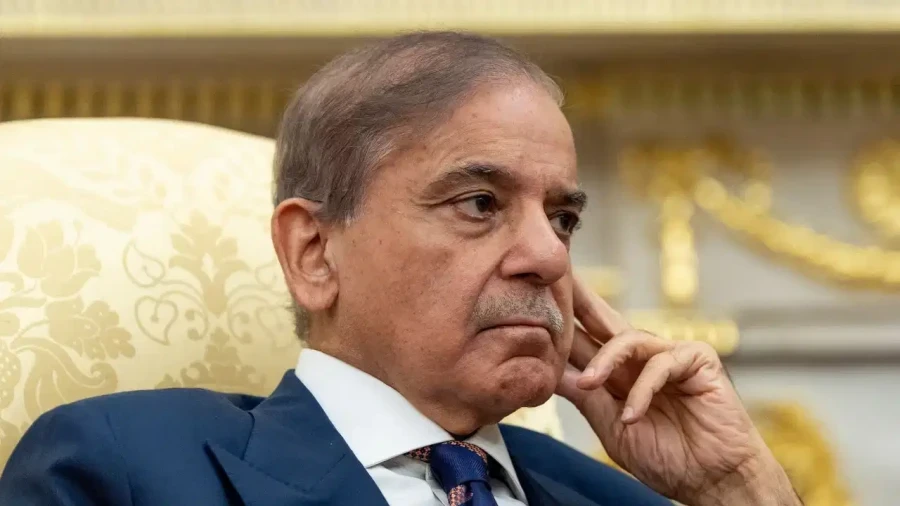
Pakistan had been playing the role of a messenger in the nuclear negotiations between Iran and the United States. The Pakistani government, led by Prime Minister Shehbaz Sharif, had high hopes that the final discussions would be hosted in Islamabad. Prime Minister Shehbaz Sharif had even referred to the potential meeting as Peace Talk 2. However, the decision to move the final drafting process to Doha has effectively removed Pakistan from the final stage of this historic diplomatic process. This shift is seen as a significant disappointment for Islamabad's diplomatic ambitions in the region.
Progress on the Final Draft
There appears to be a principle agreement between Iran and the United States, leading both nations to focus on preparing the final draft. The objective is to complete the draft as quickly as possible so that an interim agreement can be finalized through formal signatures. Ismail Baghaei, the spokesperson for the Iranian Foreign Ministry, stated that while a principle agreement has been reached, it isn't yet possible to determine exactly when it will be implemented. On the American side, President Trump has also indicated that both countries have made good progress regarding the agreement.
Exclusion of Israel from the Negotiations
Reports suggest that President Trump has kept Israel away from this agreement, reportedly not adhering to the concerns raised by Prime Minister Netanyahu. This development has caused significant concern for Netanyahu as he witnesses the agreement moving toward implementation. According to reports, the Israeli administration and the Trump administration are at odds over this deal, while it appears that Trump is moving forward with the Iran agreement due to economic factors and international pressure. The global community is now watching closely to see when the final signatures will be placed on this agreement in Doha.
