
- India,
- 19-Jul-2026 08:56 PM IST



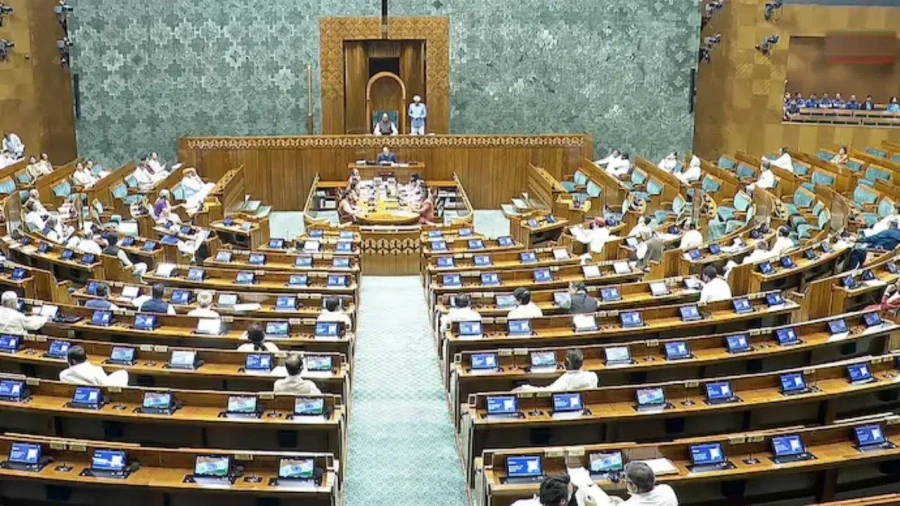
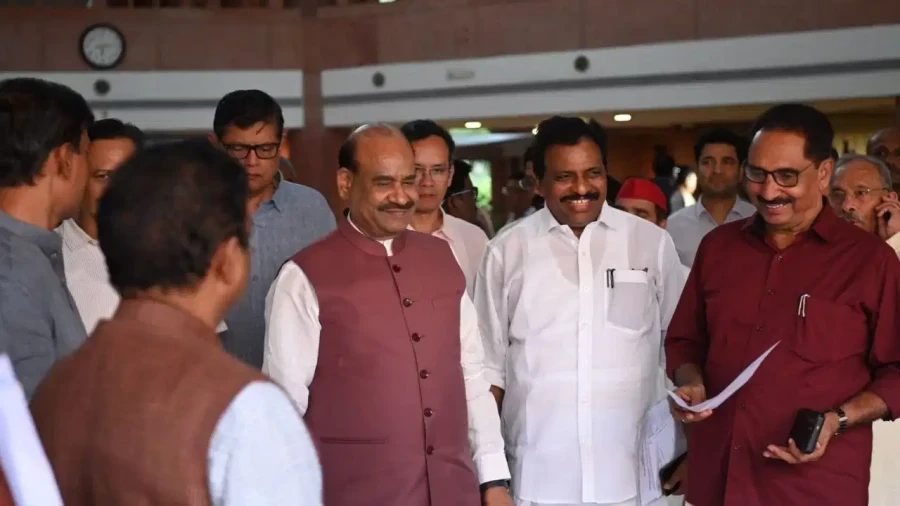
The legislative roadmap for the Monsoon Session of Parliament 2026 has been formally established following a high-level meeting of the Business Advisory Committee (BAC) held on Sunday. Chaired by Lok Sabha Speaker Om Birla, the meeting served as a platform for various political parties to deliberate on the upcoming session's agenda and allocate specific timeframes for the discussion of several critical bills. The session, which is scheduled to commence on Monday, is expected to witness intense debates as the government prepares to introduce and pass six significant pieces of legislation.
Legislative Agenda and Time Allocation
During the BAC meeting, the committee meticulously planned the schedule for the Lok Sabha, ensuring that each proposed bill receives adequate time for scrutiny. A total of six bills have been slated for introduction and discussion during this session. These include the Foreign Contribution (Regulation) Amendment Bill, 2026 (FCRA Amendment Bill), the Income Tax (Amendment) Bill, 2026, the Supreme Court (Number of Judges) Amendment Bill, 2026, the Registration of Births and Deaths (Amendment) Bill, 2026, the Prevention of Insults to National Honour (Amendment) Bill, 2026, and the Micro, Small and Medium Enterprises Development (Amendment) Bill, 2026.
The Foreign Contribution (Regulation) Amendment Bill, 2026, which was originally introduced in the Lok Sabha on March 25, 2026, is set for consideration and passing. The primary objective of this bill is to enhance transparency regarding foreign grants entering the country. The committee has allocated four hours for a comprehensive discussion on this legislation.
Economic and Judicial Reforms
The Income Tax (Amendment) Bill, 2026, is another crucial piece of legislation on the agenda. This bill is being introduced against the backdrop of global geopolitical instability, fluctuating crude oil prices, and disruptions in the global supply chain, while its aim is to strengthen India's sovereign debt market, attract global capital flows, and increase market liquidity. Similar to the FCRA bill, four hours have been designated for its discussion.
In the judicial sphere, the Supreme Court (Number of Judges) Amendment Bill, 2026, seeks to address the issue of pending cases by increasing the sanctioned strength of Supreme Court judges from 33 to 37, excluding the Chief Justice of India. This move is intended to expedite the disposal of legal matters. The BAC has allotted four hours for the house to debate this amendment.
Social and Administrative Amendments
The Registration of Births and Deaths (Amendment) Bill, 2026, aims to streamline the process of delayed registrations. By amending Section 13(3) of the original 1969 Act, which was previously amended in 2023, the new bill proposes stricter and more organized rules for registering births and deaths that occur outside the standard timeframe. This bill is also scheduled for a four-hour discussion.
On top of that, the Prevention of Insults to National Honour (Amendment) Bill, 2026, will be introduced to amend the 1971 Act. The goal is to tighten punitive provisions against acts that disrespect national symbols and national honor. A four-hour window has been provided for this discussion.
The Micro, Small and Medium Enterprises Development (Amendment) Bill, 2026, focuses on the MSME sector. It aims to promote 'Ease of Doing Business' and trust-based regulations, strengthen the mechanism for addressing delayed payments, and empower state governments with more authority. Given its broad scope, the committee has allocated five hours for its discussion.
Potential for Political Confrontation
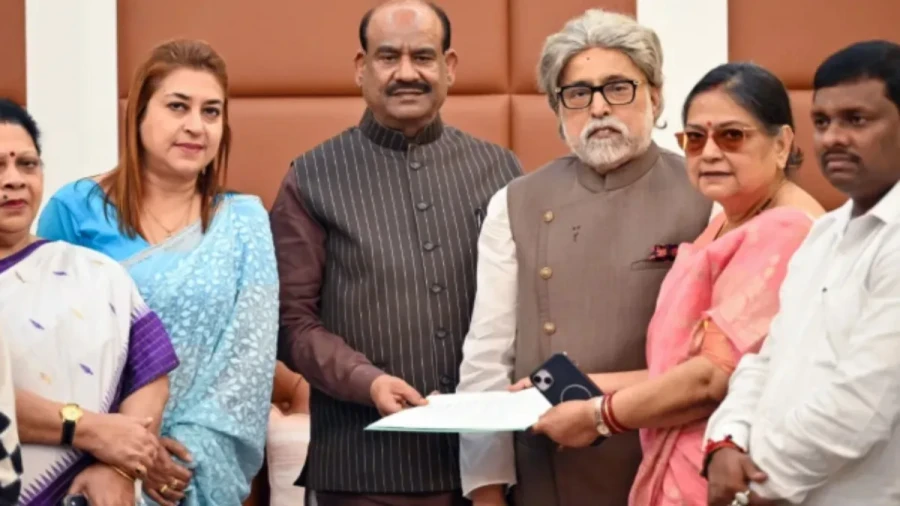
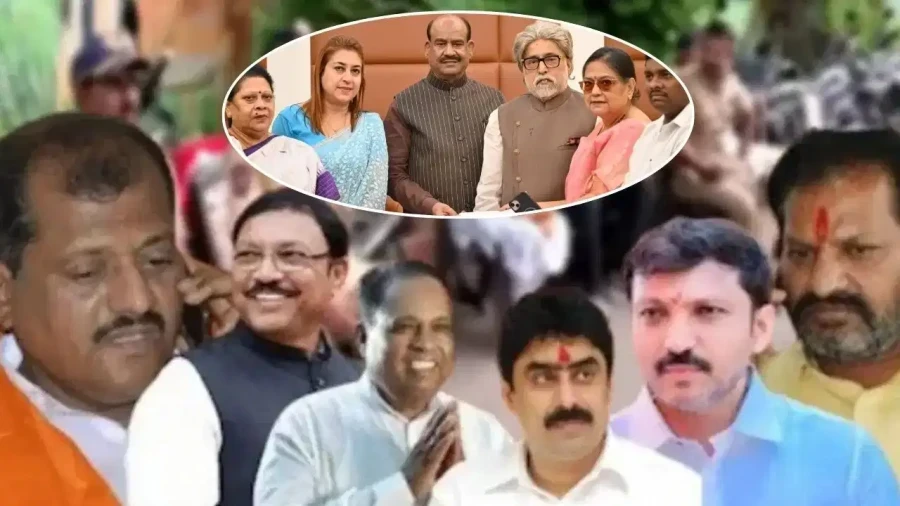
While the legislative agenda is set, the session is expected to begin on a stormy note. The government plans to introduce the Vande Mataram Bill in the Rajya Sabha, a move that's already facing stiff opposition. Beyond this, several other issues are likely to trigger heated exchanges in both the Lok Sabha and the Rajya Sabha. These include the NEET controversy, issues related to Sonam Wangchuk, the treatment of Trinamool Congress (TMC) MPs as a separate group by the government, and the merger of Shiv Sena MPs.
Following parliamentary tradition, Prime Minister Narendra Modi is expected to address the media around 10 AM on the first day of the session. His statement is likely to include an appeal to the opposition to ensure the utility and productivity of the house during the session.
Speaker's Call for Cooperation
Lok Sabha Speaker Om Birla emphasized the importance of maintaining parliamentary decorum. He invited leaders from all political parties represented in the Lok Sabha to share their suggestions on issues of public interest, while during the meeting, representatives from the government and various political parties shared their views on the proposed legislative work and other parliamentary matters. Members also suggested discussions on several issues of national importance.
Speaker Birla appealed for constructive discussion, meaningful participation, and adherence to parliamentary traditions. He stated that ensuring the smooth and orderly functioning of Parliament is a shared responsibility of all parties, enabling effective debates on issues affecting the public. The committee took note of the suggestions provided by the members, and the final schedule and time allocation for various subjects will be finalized in consultation with the government and political leaders, in line with parliamentary traditions. The Speaker expressed confidence that all MPs would work with a spirit of cooperation to make the Monsoon Session dignified, smooth, and productive for the public interest.