
- India,
- 16-May-2026 01:40 PM IST



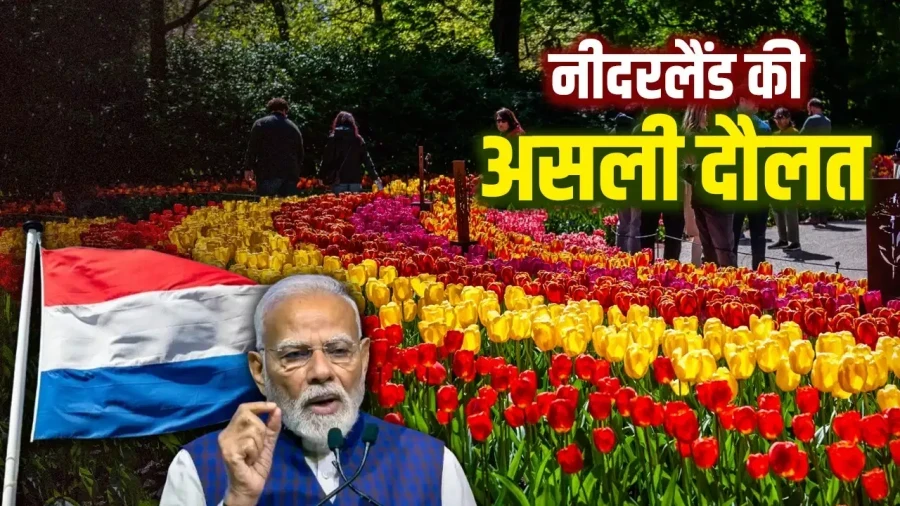
Prime Minister Narendra Modi has arrived in the Netherlands as part of the second leg of his five-day international tour, following a successful visit to the UAE, while this marks his second official visit to the country, with the previous one occurring in June 2017. The visit is expected to be a milestone in bilateral relations, with several agreements anticipated in sectors such as defense, green hydrogen, innovation, and technology. While the diplomatic world watches this visit closely, it's essential to understand how the Netherlands, a geographically small nation in Europe, has established itself as a global economic powerhouse and a wealthy state that commands respect from the world's largest economies.
The Economic Might of a Small Nation
The Netherlands is often described as a small country with a massive economic footprint, while despite its limited land area, its earnings are substantial. 23 trillion dollars. 45 trillion dollars by the year 2026. This economic success isn't accidental but the result of a strategic focus on natural resources, advanced technology, and global trade logistics. The country has successfully turned every available resource into a source of revenue, creating a strong and resilient economy.
Natural Gas: The Foundation of Prosperity
One of the primary treasures that nature gifted the Netherlands is natural gas. For decades, the country has been a leading producer of gas in Europe. The Groningen gas field, in particular, played a transformative role in the Dutch economy. This resource provided the energy needed for domestic consumption, generated massive revenue for the government, and powered the nation's industrial growth. The wealth generated from natural gas allowed the Netherlands to invest heavily in its infrastructure, including world-class roads, ports, and social welfare systems. Although production has been scaled back recently due to seismic concerns, the legacy of natural gas remains a cornerstone of the nation's financial stability.
Rotterdam Port: The Gateway to Europe
The Port of Rotterdam is another significant pillar of the Dutch economy. As one of the largest and busiest ports in the world, it serves as the primary entry point for goods entering the European continent, while ships from across the globe dock here, carrying oil, gas, machinery, and food products. From Rotterdam, these goods are distributed throughout Europe, making the Netherlands a critical logistics hub. This activity generates immense revenue through transportation, warehousing, and logistics services. It also provides employment to hundreds of thousands of people and contributes Notably to the national treasury through taxes, earning the country the title of the Gateway to Europe.
The Tulip Industry and Tourism
The Netherlands is globally synonymous with tulips. However, these flowers are more than just a symbol of beauty; they're a multi-billion dollar industry. Every year, the country produces and exports millions of flowers, bulbs, and plants. This trade benefits farmers, exporters, and the tourism sector alike. During the tulip season, tourists from all over the world flock to the Netherlands to witness the vibrant floral displays, boosting the income of hotels, restaurants, and local businesses. The tulip industry perfectly illustrates how the Netherlands combines agriculture, trade, and tourism into a single economic engine.
Revolutionary Greenhouse Farming
Perhaps the most impressive aspect of the Dutch economy is its mastery of greenhouse farming. By integrating science and technology into agriculture, the Netherlands has become one of the world's top agricultural exporters despite its small size. Greenhouse farming allows for controlled temperatures, minimal water usage, and high yields regardless of the weather. The country produces vast quantities of tomatoes, cucumbers, peppers, and lettuce, which are exported across Europe. This data-driven approach to farming, utilizing sensors and automated systems, serves as a global model for sustainable and profitable agriculture.
Dairy, Water Management, and India-Netherlands Trade
The Dutch dairy sector is equally formidable, with products like cheese and butter being exported worldwide, while Also, the country has turned its struggle with rising sea levels into a business opportunity. Their expertise in water management, dam construction, and pumping systems is sought after globally, providing lucrative consultancy and engineering contracts. For India, the Netherlands is a vital partner. Bilateral trade between the two nations stands at approximately 25 to 28 billion dollars, which is more than 2 lakh crore rupees. The Netherlands is India's third-largest export destination and the fourth-largest investor in the country. India primarily exports refined oil, aluminum, and pharmaceuticals, while importing advanced machinery, medical equipment, and agricultural technology. This relationship is characterized by a trade surplus in India's favor, highlighting the strategic importance of the Netherlands in India's global economic vision.