
- India,
- 09-Jul-2026 03:09 PM IST



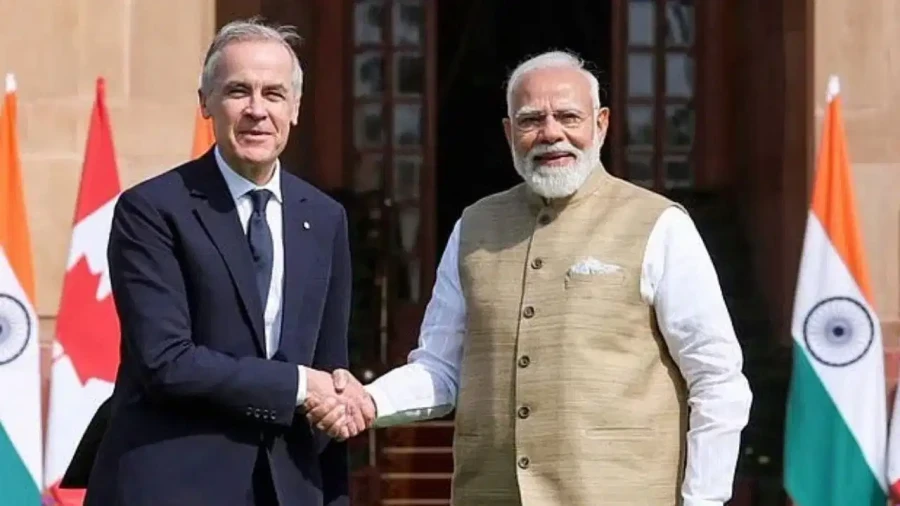
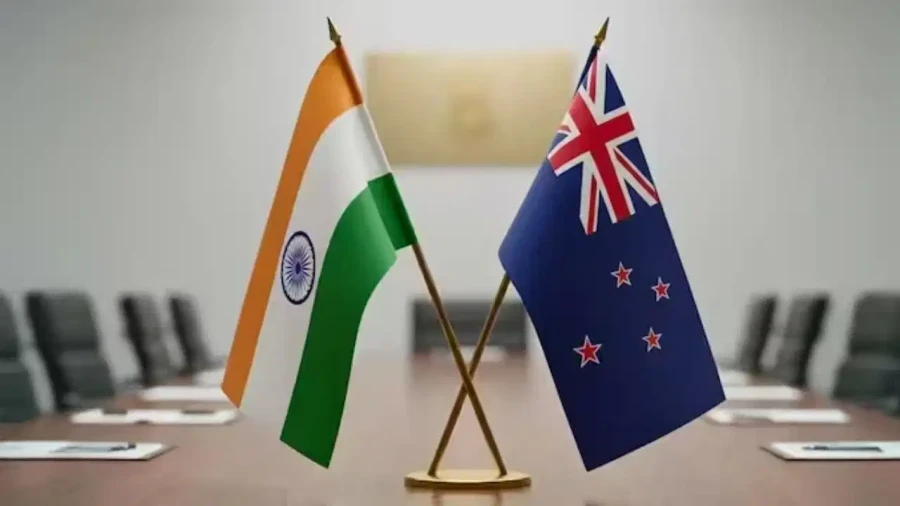
Prime Minister Narendra Modi is scheduled to undertake a highly significant and historic visit to New Zealand on July 10 and July 11, marking a major turning point in the bilateral relations between the two nations. This upcoming visit is of immense diplomatic importance as it represents the first state visit by an Indian Prime Minister to New Zealand in nearly four decades, effectively ending a long period of limited high-level engagement. Just ahead of this landmark journey, a major economic breakthrough has been announced by New Zealand's Prime Minister Christopher Luxon. Under a newly finalized trade arrangement, 57 percent of the trade between India and New Zealand will become completely tax-free from the very first day of the agreement's implementation. This development is expected to have a profound impact on the markets of both countries, benefiting businesses, workers, and consumers alike.
Ending a Four Decade Diplomatic Hiatus
The invitation for this historic visit was personally extended by Prime Minister Christopher Luxon, who expressed his great enthusiasm for the meeting on the social media platform X. Luxon emphasized that India is currently one of the fastest-growing economies globally and stated that a strong partnership with India is essential for New Zealand's future economic prosperity. The two countries had previously signed a Free Trade Agreement in April, and this visit by Prime Minister Modi is seen as the definitive step to operationalize the deal on the ground. This visit is anticipated to elevate the strategic and economic ties between New Zealand and India to a completely new level of cooperation.
Economic Prosperity Through Tax Free Trade
According to the New Zealand Prime Minister, the 'India Trade Deal' is set to provide a massive boost to local businesses and industries. 4 billion people. This means that New Zealand products can enter the Indian market without the hindrance of additional taxes, leading to a significant increase in revenue for the country. Prime Minister Luxon noted that this would directly benefit local communities by creating new employment opportunities and potentially leading to an increase in wages for the workforce. The agreement is being hailed as a game-changer for the economic trajectory of New Zealand.
Reciprocal Advantages for Indian Exporters
The trade agreement is designed to be mutually beneficial, and India is also set to gain substantially from this Free Trade Agreement. According to the terms of the deal, all exports from India to New Zealand will receive duty-free entry into the New Zealand market. This ensures that Indian goods can be sold in New Zealand without any extra tax burden, providing Indian exporters with a prime opportunity to expand into a high-income economy in the Pacific region. This move is a vital part of India's broader Indo-Pacific economic strategy, offering a stable and reliable platform for trade amidst the current global economic uncertainties, while it allows Indian businesses to showcase their products on an international stage with a competitive edge.
Strategic Discussions and Diaspora Engagement in Auckland
During his two-day visit, Prime Minister Modi will travel to the city of Auckland for a high-level meeting with Christopher Luxon. These bilateral discussions are expected to go beyond trade and dive into into critical sectors such as defense and commerce. In addition to official government talks, the Prime Minister is scheduled to meet with prominent business leaders and legendary sports personalities from New Zealand. A significant highlight of the trip will be PM Modi's address to the Indian diaspora, which is intended to strengthen the cultural and social ties that form the foundation of the economic relationship. This visit is set to create a comprehensive and long-term framework for cooperation across various sectors of mutual interest.