
- India,
- 13-May-2026 09:30 AM IST



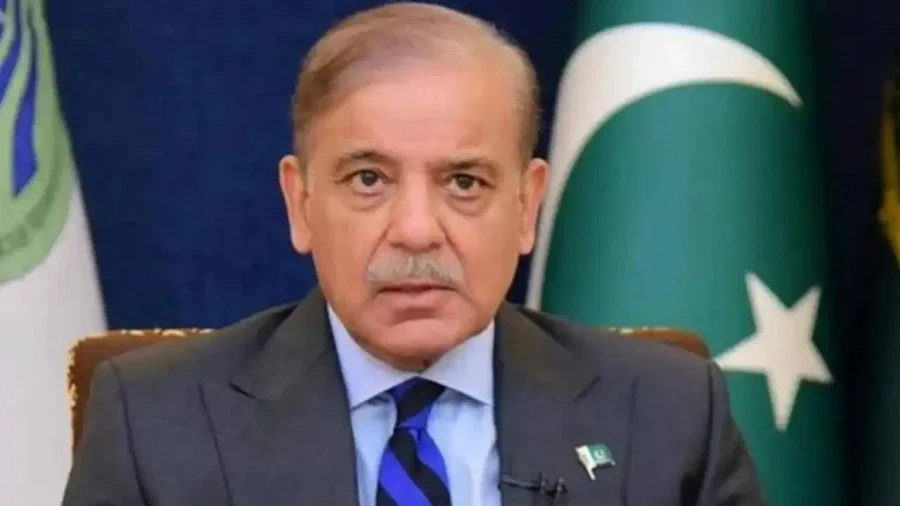
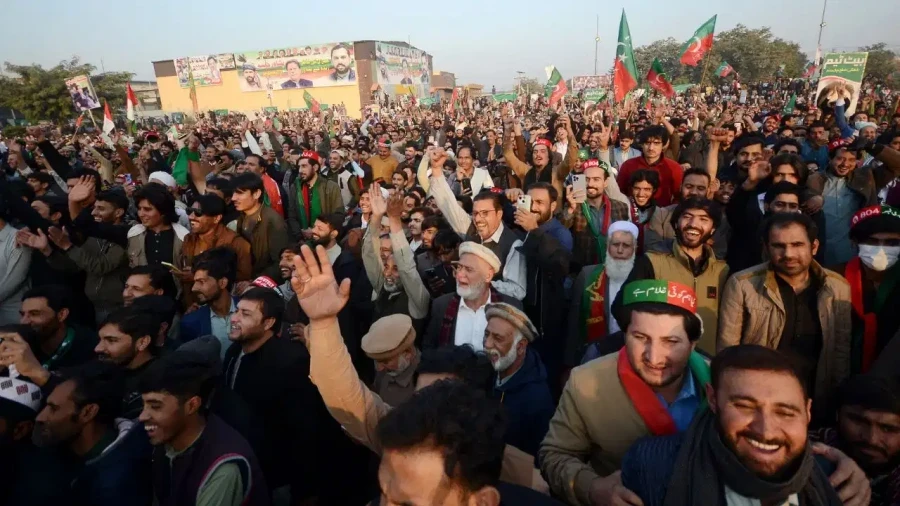
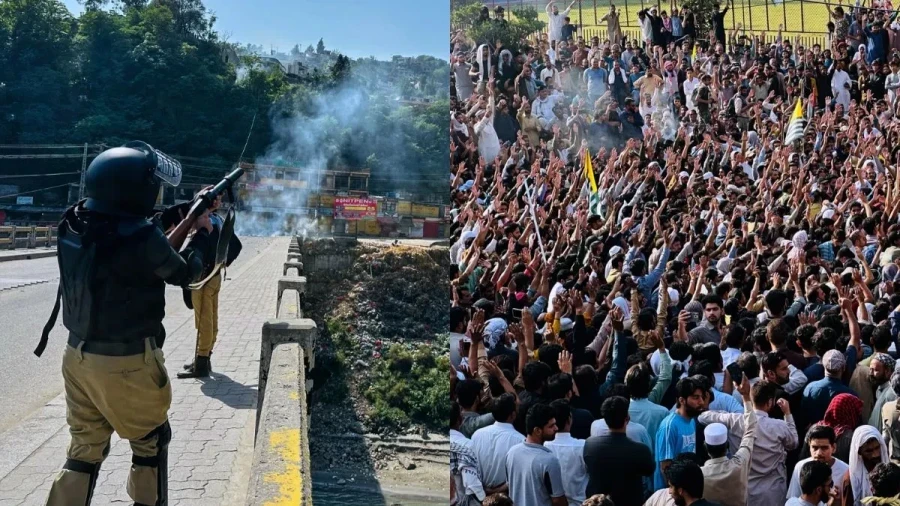
Public resentment against the Shehbaz Sharif-led Pakistani government in Pakistan-occupied Kashmir (PoK) is reaching a boiling point. The Joint Awami Action Committee (JAAC) has officially announced a massive shutdown and a large-scale movement across the PoK region scheduled for June 9. This call for action stems from deep-seated anger over rising inflation, a severe electricity crisis, political marginalization, and ongoing administrative suppression. The local populace feels increasingly alienated as their fundamental needs are ignored while the administration continues to employ heavy-handed tactics to stifle dissent.
May 31 Deadline and Warning of Total Shutdown
The Joint Awami Action Committee has issued a stern ultimatum to the Pakistani administration, setting a clear deadline. Committee leaders have declared that if their legitimate demands aren't met and concrete steps aren't taken by May 31, the entire region will witness unprecedented protests.
JAAC leaders have accused the Pakistani government of repeatedly betraying the promises made to the people of PoK, leading to a complete breakdown of trust between the citizens and the state.
Failed Negotiations and Allegations of Administrative Pressure
Human rights activist Amjad Ayub Mirza has provided detailed insights into the escalating situation. He revealed that several rounds of discussions took place in Muzaffarabad between JAAC leaders and the Pakistan-backed administration, but these meetings failed to yield any positive results. According to Mirza, the administration has been using the pretext of dialogue for the past two years simply to waste time and weaken the resolve of the committee. Currently, the administration is reportedly exerting immense pressure on the JAAC to withdraw the protest call, fearing that the movement could transform into a massive, uncontrollable people's uprising.
Lack of Basic Amenities and Economic Hardships
The common citizens in PoK are currently struggling for survival amidst a collapsing economy. Amjad Ayub Mirza highlighted the dire financial conditions, noting that inflation has broken the back of the average household. The region is suffering from a chronic power crisis, with prolonged hours of load shedding disrupting daily life and local businesses, while Also, the cost of education has become a significant burden due to a massive hike in school fees. A stark example of the economic crisis is the price of gas cylinders, which have skyrocketed from approximately 2,500 PKR to nearly 6,000 PKR, making essential fuel unaffordable for many.
Controversy Over 12 Migrant Seats and Political Instability
Political discontent is also rife, particularly regarding the 12 migrant seats in the legislative setup. The Joint Awami Action Committee has taken a firm stand that these seats should be abolished immediately, while the committee argues that many representatives holding these seats don't even reside in PoK and only appear during election cycles to advance their interests. On top of that, promised constitutional and electoral reforms remain unfulfilled. Mirza also pointed out a grim history of suppression, stating that previous peaceful strikes were met with violence, resulting in casualties and leaving the people with nothing but bodies and grief.
Despite frequent changes in Prime Ministers by the governments in Pakistan and PoK, the core issues facing the public remain unaddressed. The administration appears focused on political maneuvering while the populace lacks basic necessities like electricity, water, and affordable food. As June 9 approaches, there are serious concerns regarding a potential confrontation between protesters and security forces, as the Pakistani government may once again resort to repressive measures to crush the popular movement.