
- India,
- 21-Aug-2026 10:50 PM IST



The sacred festival of Putrada Ekadashi, falling in the Shukla Paksha of the month of Sawan, holds immense significance in the Hindu religion. In the year 2026, Putrada Ekadashi will be observed with full traditional rituals on August 23, which happens to be a Sunday. This holy day is dedicated to the worship of Lord Vishnu, the preserver of the universe, while according to ancient religious beliefs, devotees who observe this fast with strict adherence to rules find that all the obstacles and hurdles in their lives are removed. The scriptures highlight that while undertaking such a spiritual journey, it's vital to consider one's physical health and capacity. A prayer performed with the right intention, pure heart, and proper rules brings lasting peace and happiness to an individual's life.
Nirjala and Phalahari Fasting Methods
The fast of Putrada Ekadashi can be observed in two distinct ways depending on the devotee's health. Those who are physically fit and healthy often opt for the Nirjala Vrat, which involves fasting without consuming even a single drop of water for the entire duration. On the other hand, the scriptures provide flexibility for the elderly, those suffering from illnesses, or pregnant women, allowing them to observe a Phalahari fast. In a Phalahari or fruit-based fast, one can consume fruits, milk, and preparations made from buckwheat (Kuttu) or water chestnut (Singhara) flour during the day. Regardless of the method chosen, the most crucial element is the devotee's unwavering faith and devotion to Lord Vishnu, while it's advised to take the vow of fasting only after assessing one's physical strength to ensure that the worship proceeds without any physical distress or interruption.
Dietary Guidelines: What to Eat and Avoid
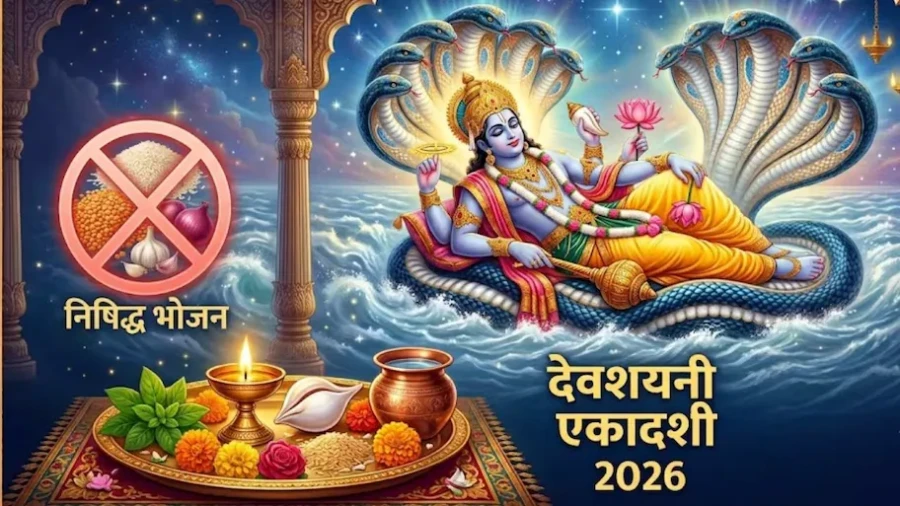
Maintaining purity in diet is a cornerstone of the Ekadashi fast, while devotees must strictly follow the rules regarding what can be consumed. During the fast, only Satvik or pure food items should be used. For those opting for Phalahar, the use of rock salt (Sendha Namak) is permitted, while common table salt must be completely avoided. The consumption of rice, grains, pulses, and any form of Tamasic food is strictly prohibited on this auspicious day. According to sacred texts, eating rice on Ekadashi is believed to wash away the spiritual merits earned through the fast, while So, it's essential for devotees to maintain the highest standards of purity and Satvikta in their meals. Following these dietary restrictions ensures that the devotee receives the full spiritual benefits of the fast.
The Ritual of Sankalp and Correct Parana Method
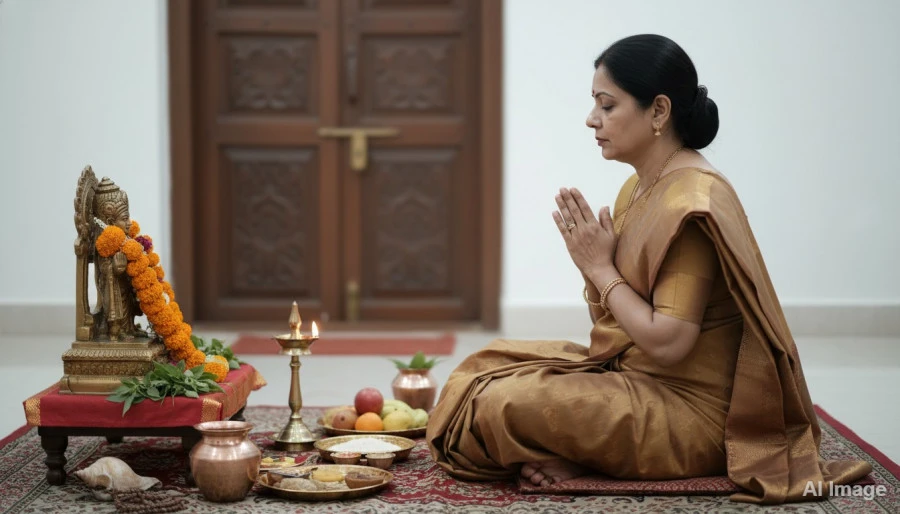
The observance of the Ekadashi fast begins early in the morning with a ritual bath. After purifying oneself, the devotee should offer water (Arghya) to the Sun God and then sit before the idol or picture of Lord Vishnu to take a formal vow or Sankalp for the fast. Chanting and meditating on the various names and mantras of Lord Vishnu throughout the day helps in attaining mental peace and spiritual clarity. The fast concludes on the following day, known as Dwadashi Tithi, during a specific auspicious time called the Parana Muhurat. To break the fast correctly, one must first offer Bhog (sanctified food) to Lord Vishnu and then provide food, clothes, or money as donation (Dakshina) to Brahmins or the needy. Only after completing these acts of charity should the devotee consume a Satvik meal to break their own fast. A fast is considered spiritually complete only when the Parana is performed according to these prescribed rules, ensuring that the household is blessed with prosperity and harmony.