
- India,
- 13-Oct-2026 08:10 AM IST



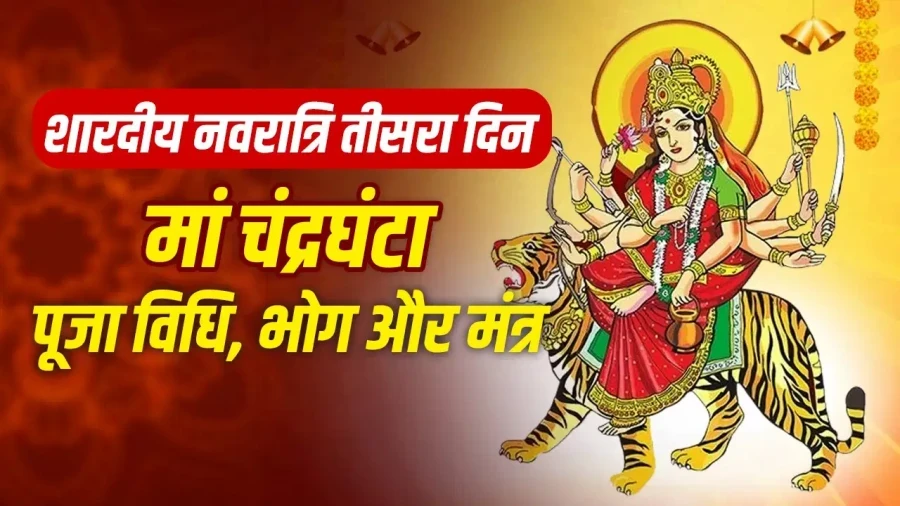
The auspicious festival of Shardiya Navratri continues with great devotion as the third day approaches. In the year 2026, the third day of Shardiya Navratri will be observed on Tuesday, October 13. This day is dedicated to the worship of Maa Chandraghanta, who is the third manifestation of Goddess Durga. Known as the symbol of courage, strength, and fearlessness, Maa Chandraghanta is revered by devotees who seek to overcome challenges and gain mental fortitude. Her name is derived from the half-moon shaped like a bell (Chandra-Ghanta) that adorns her forehead, signifying her unique identity and power.
The Divine Appearance of Maa Chandraghanta
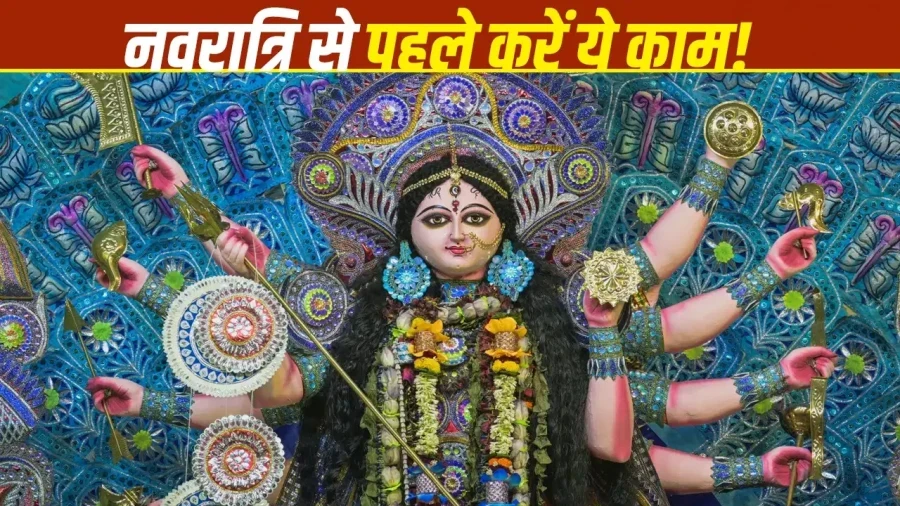
Maa Chandraghanta represents a beautiful blend of courage, bravery, and gentleness. According to religious descriptions, she's the third form of Navdurga. The crescent moon on her forehead is shaped like a bell, which is why she's called Chandraghanta. This form of the Goddess is considered a protector against evil forces and a source of immense strength. In religious depictions, Maa Chandraghanta is usually shown with ten arms, holding various weapons and sacred objects. Her hands carry a trident, a mace, a sword, a bow, an arrow, a lotus, and a kamandal. She also holds a prayer bead (japmala) in one of her hands, while her hand gestures or mudras indicate that she's ready to grant fearlessness and blessings to her devotees. Mounted on a lion or a tiger, her appearance teaches that while one must possess strength, it should always be balanced with courage and restraint.
Puja Vidhi for the Third Day of Navratri
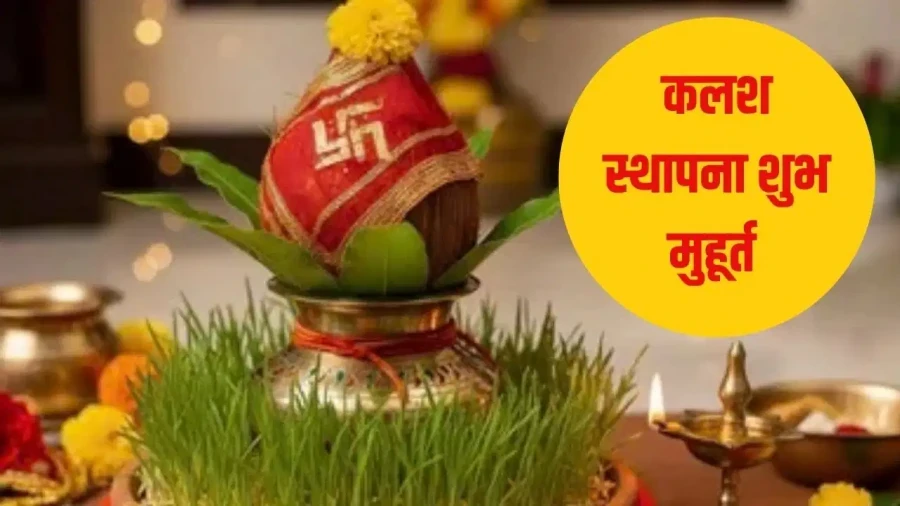
The worship of Maa Chandraghanta on the third day of Shardiya Navratri follows a specific set of rituals. Devotees should begin the day by taking a bath and wearing clean clothes. The puja area must be cleaned thoroughly, and a picture or idol of Maa Chandraghanta should be established. If the Ghatasthapana (installation of the sacred pot) has already been performed on the first day, the worship can be conducted at the same place. The ritual starts with meditating on the Goddess and lighting a lamp (diya). Devotees then offer flowers, akshat (sacred rice), roli, incense, and naivedya to the Goddess. Depending on family traditions, fruits or sweets can be offered as bhog, while following the offerings, the specific mantra of Maa Chandraghanta is chanted with deep faith. The ceremony concludes with the recitation of the Durga Chalisa and the performance of the Aarti.
Mantra and Protective Shield
Chanting the correct mantra is an essential part of the worship on the third day. The mantra dedicated to Maa Chandraghanta is: Om Devi Chandraghantayai Namah. By reciting this mantra, devotees connect with the divine energy of the Goddess and seek her protection and guidance in their lives.
Significance of Worshipping Maa Chandraghanta
The significance of worshipping Maa Chandraghanta lies in her ability to remove fear and negative energy from the lives of her devotees. She's the embodiment of bravery, and her weapons symbolize the power to confront and destroy evil. At the same time, her Abhaya Mudra provides a sense of security and peace. It's believed that those who worship her on the third day of Navratri are blessed with increased self-confidence, mental stability, and overall happiness, while her divine form serves as a reminder that even in the most difficult circumstances, one shouldn't panic but instead move forward with patience and courage. The worship of Maa Chandraghanta is said to instantly remove internal weaknesses and provide the inspiration needed to face life's various challenges.