- India,
- 13-Oct-2026 06:08 AM IST



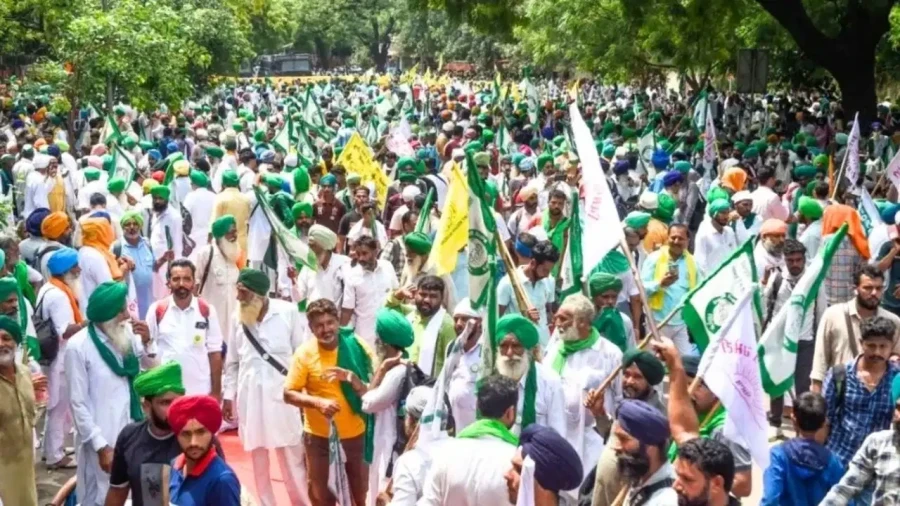
The Samyukta Kisan Morcha (SKM) held its National Council and General Body meeting at Jat Bhawan in Karnal, Haryana, on Monday. During this significant gathering, the farmer leaders collectively decided to intensify their ongoing struggle and announced a massive nationwide protest scheduled for November 26. This date holds immense significance as it marks the sixth anniversary of the historic farmers' movement that began at the Delhi borders. The SKM has directed its various state units to finalize the specific locations for these demonstrations, which are expected to witness the participation of hundreds of thousands of farmers from every corner of the country.
Nationwide Protest Against SIR on October 23
A major highlight of the meeting was the decision to mobilize farmers in support of protesters, particularly students and youth, regarding the SIR issue. The SKM has issued a call for large-scale protests at district and tehsil centers throughout India on October 23. The top leadership of the SKM has committed to participating in the ongoing struggle in New Delhi to show solidarity with the younger generation fighting for their rights. The organization believes that the energy of the youth combined with the experience of the farmers will create a powerful front against the current policies.
Warning Against Harassment of Protesters
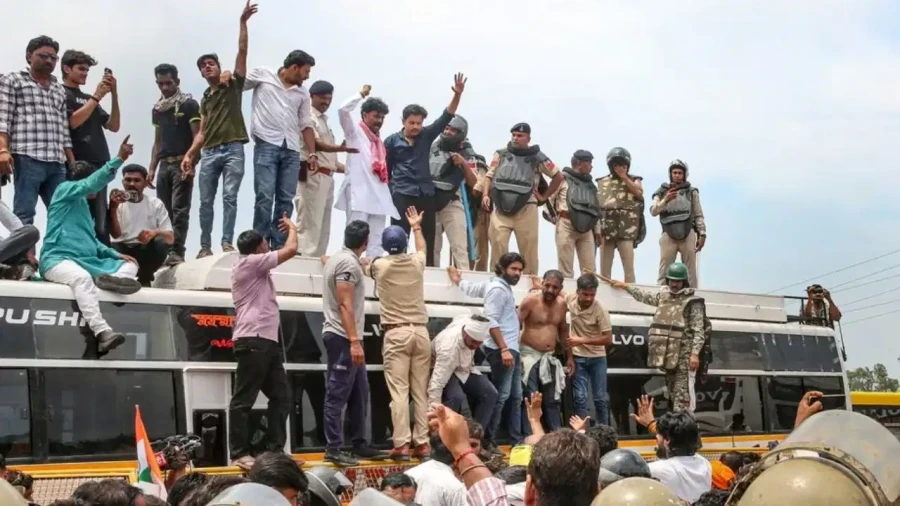
The SKM issued a stern warning against the alleged brutal suppression and harassment of protesters, including young female students, by the Delhi Police and what they termed as criminal elements associated with the RSS-BJP in New Delhi. The leadership stated that if the Modi government continues its attacks on peaceful protesters, farmers across India will step forward to protect them, especially the students and youth. The SKM emphasized that the right to protest is a fundamental right guaranteed by the Constitution, and any attack on peaceful demonstrators is a direct violation of the law and the rule of law.
Criticism of the Judiciary and Law Enforcement
The meeting also saw sharp criticism directed towards the judiciary, including the Supreme Court, while the SKM expressed disappointment that the judiciary has not taken suo motu cognizance or immediate action against the large-scale crimes occurring in the national capital. They argued that this lack of intervention has led to a collapse of law and order, while the SKM called upon farmers and citizens across India to unite in a struggle to protect democracy and ensure that constitutional values are upheld.
Demands for SIR Cancellation and Electoral Reforms
The SKM has put forward several specific demands, including the immediate cancellation of the illegal SIR. They're also demanding the removal and prosecution of Chief Election Commissioner Gyanesh Kumar. 41 crore citizens who they claim were removed without transparency. Another key demand is the amendment of the 2023 Act to include the Chief Justice of India in the selection panel for election commissioners instead of a Cabinet Minister, to ensure impartiality.
Preparation for a Long Struggle
As the sixth anniversary of the Delhi border movement approaches on November 26, the SKM has appealed to farmers to prepare for a long-term battle. They've planned to conduct protests lasting several days until all their seven primary demands are met. These demands include the enactment of a law for MSP@C2+50%, a total withdrawal from Free Trade Agreements (FTA), complete debt waiver for farmers, and a compensation of 25 lakh rupees for the families of farmers who committed suicide. Also, they're demanding pensions and insurance for farmers, a halt to the privatization of electricity, the cancellation of the Seed Bill 2025, protection of land rights for farmers and tribals, the non-implementation of the 4 labor codes, and the full restoration of MGNREGA.
Broad Participation from 17 States
The meeting in Karnal was presided over by a seven-member presidium consisting of prominent leaders including Ashok Dhawale, Joginder Singh Ugrahan, Rakesh Tikait, Rajan Kshirsagar, Dr, while sunilam, Jagtar Singh Bajwa, and Joginder Singh Nain. The proceedings began with a welcome speech by Ratan Singh Maan, while P. Krishnaprasad presented the formal agenda. The discussion saw active participation from 39 members, with a total of 142 representatives attending from 17 different states, showcasing the pan-India reach of the movement.