

- India,
- 07-Jan-2026 09:51 AM IST


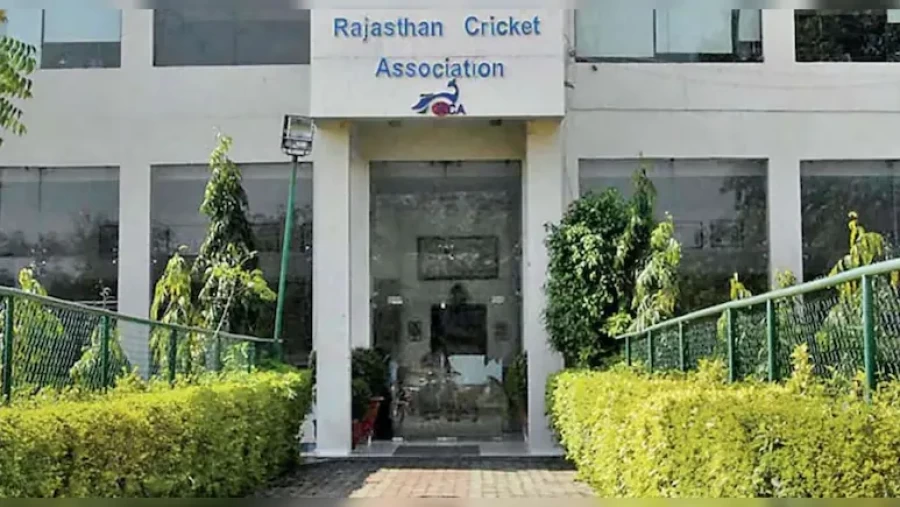
The Vijay Hazare Trophy 2025-26 campaign has concluded for the Rajasthan Cricket Team, leaving behind a trail of profound disappointment and a host of unanswered questions. What was anticipated to be a season of competitive cricket and potential advancement quickly devolved into a series of crushing defeats, culminating in the team finishing at the absolute bottom of the points table. Out of a total of six matches played, the team managed to secure a victory in only one, suffering five significant losses. This dismal performance has not only disheartened the loyal fanbase but has also cast a critical spotlight on the internal workings of Rajasthan cricket, particularly the ad-hoc committee responsible for its administration and the integrity of the player selection process, while the implications of such a poor showing extend beyond mere statistics, touching upon the morale of the players, the development of local talent, and the overall reputation of the sport within the state.
Early Setbacks: A Troubling Start to the Campaign
The tournament commenced with an ominous start for Rajasthan, as they locked horns with Madhya Pradesh in their inaugural fixture. The outcome was a resounding defeat, with Rajasthan succumbing by a substantial margin of 99 runs. This opening loss served as an immediate indicator of the team's vulnerabilities, exposing glaring deficiencies across both their batting and bowling departments. The batsmen appeared to buckle under the pressure of chasing a competitive total, failing to forge the crucial partnerships necessary to build momentum. Simultaneously, the bowlers struggled to exert any significant control over the opposition's scoring rate, allowing Madhya Pradesh to post a formidable and ultimately unassailable score. This initial setback not only cost them valuable points but also set a negative tone for the subsequent matches, suggesting a fundamental lack of cohesion and strategic execution within the squad. The team's inability to perform cohesively from the outset raised early concerns about their preparation and overall readiness for the demanding tournament.
A Cascade of Consecutive Losses and Eroding Morale
The initial defeat against Madhya Pradesh proved to be merely the beginning of Rajasthan's woes. Their second encounter, against Jharkhand, saw them suffer yet another significant loss, this time by 73 runs. The pattern of batting collapses and inconsistent bowling continued, with the team unable to find a collective rhythm. The batsmen struggled to convert starts into substantial scores, and the bowlers lacked the penetration required to dismantle the opposition's lineup effectively, while the third consecutive defeat came at the hands of Tripura, where Rajasthan was outplayed and lost by 66 runs. This string of losses had a visibly detrimental effect on the team's morale, while players appeared increasingly dejected and struggled to maintain focus and intensity on the field. The psychological toll of repeated failures became evident, as the team seemed to lose its fighting spirit, making it difficult to execute even basic strategies. The continuous cycle of losing chipped away at their confidence, creating a challenging environment for any potential comeback.
A Fleeting Moment of Triumph: The Solitary Victory
Amidst the gloom of successive defeats, a brief ray of hope emerged in Rajasthan's fourth match against Tamil Nadu. In what proved to be their only moment of triumph throughout the tournament, Rajasthan managed to secure a hard-fought victory by a narrow margin of 10 runs, while this win, while significant for its rarity, offered a fleeting glimpse of the team's potential when all elements clicked into place. It demonstrated that the squad possessed the capability to perform under pressure and deliver a winning performance, even if inconsistently. However, this isolated success wasn't sufficient to alter the overall trajectory of their campaign. Rather than signaling a turning point, it served more as an anomaly, highlighting the profound inconsistency that plagued their entire season. The joy of victory was quickly overshadowed by the lingering. Concerns about their overall performance and the challenges that lay ahead.
Heartbreaking Close Calls and the Most Crushing Defeat
The fifth match brought another agonizing result for Rajasthan, as they faced Kerala in a contest that went down to the wire. In a nail-biting finish, Rajasthan suffered a narrow defeat by just 2 wickets. This close loss was particularly painful, as it underscored the team's inability to hold their nerve and close out critical moments under pressure. Despite being in a competitive position, they seemingly lost control in the crucial final overs, allowing Kerala to snatch victory from their grasp. The final league match against Karnataka proved to be the most devastating blow of the tournament, while rajasthan endured their biggest defeat, a massive 150-run thrashing, which epitomized their struggles. In this match, both their batting and bowling units completely collapsed, showcasing a profound lack of strategy, execution, and fighting spirit. This comprehensive loss served as a stark and painful conclusion to their disappointing campaign, leaving no doubt about the extent of their struggles.
Grave Allegations of a Flawed and Biased Selection Process
The abysmal on-field performance has inevitably led to a deeper scrutiny of the team's management and, more specifically, the player selection process, while serious allegations have surfaced, pointing towards a flawed and potentially biased system. Reports indicate that the ad-hoc committee, which holds the crucial responsibility of selecting the squad, is reportedly embroiled in internal factionalism and infighting, while it's alleged that this internal discord has directly influenced player selections, leading to decisions being made not on the basis of a player's proven performance, talent, or merit, but rather through recommendations, personal connections, or group loyalties. Such practices, if substantiated, represent a severe breach of integrity within the sport. They not only compromise the fairness of the selection process but also directly contribute to a weaker team, as deserving and talented players might be overlooked in favor of less capable individuals who benefit from patronage. This alleged malpractice strikes at the very heart of competitive sports, where merit should always be the guiding principle.
The Far-Reaching Impact on Rajasthan Cricket's Future
The repercussions of this profoundly disappointing season and the accompanying allegations extend far beyond the immediate tournament results. The consistent string of losses, coupled with the serious accusations surrounding the player selection process, cast a long and ominous shadow over the future of cricket in Rajasthan, while such controversies can have a deeply demoralizing effect on aspiring young cricketers who witness a system where merit might not be the sole determinant of success. It can erode public trust in the administration of the sport and Notably hinder the identification, nurturing, and development of genuine talent within the state, while for Rajasthan cricket to regain its footing and foster a culture of excellence, there is an urgent and imperative need for a thorough and transparent investigation into the functioning of the ad-hoc committee. Ensuring accountability, promoting meritocracy, and restoring faith in the selection procedures are paramount to safeguarding the integrity of the sport and building a sustainable future for cricket in Rajasthan.
