
- India,
- 30-Jun-2026 07:53 AM IST
- (Updated 30-Jun-2026 07:54 AM IST)



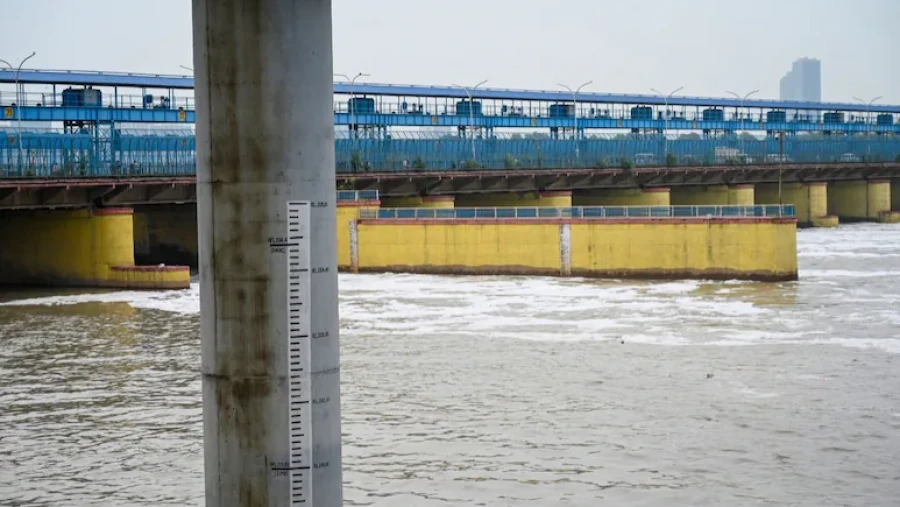
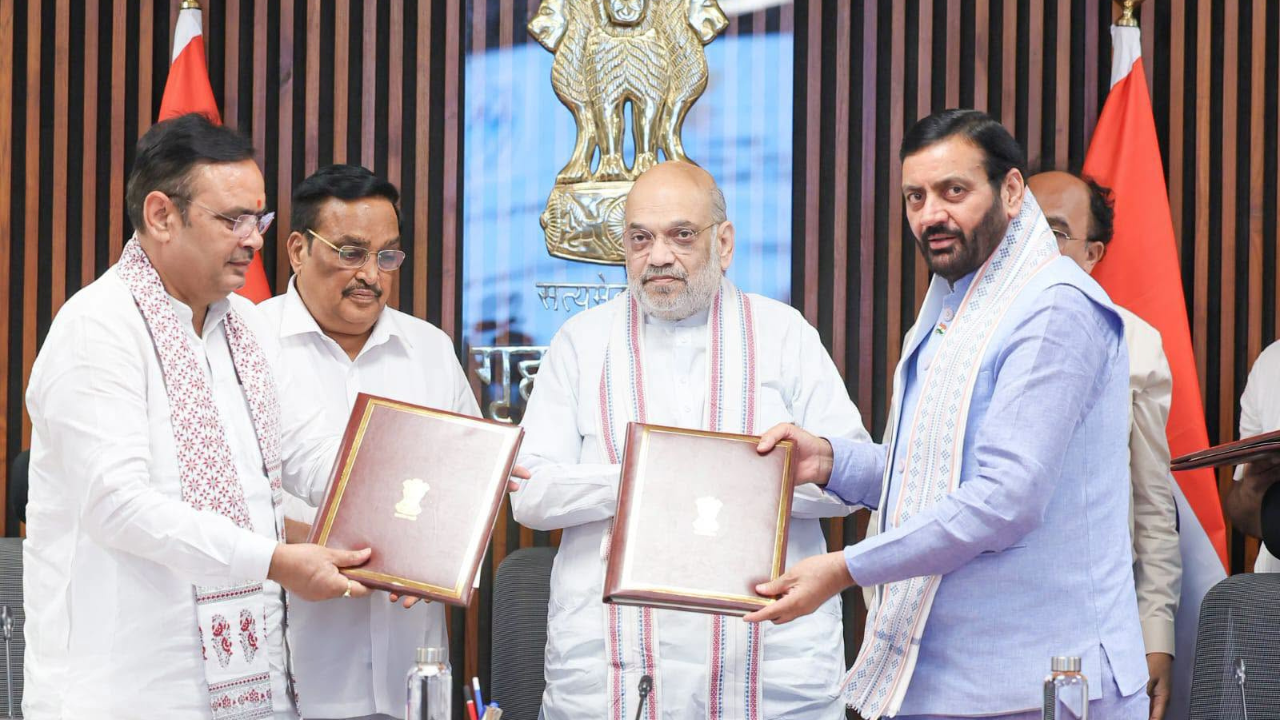
In a monumental development for the state of Rajasthan, a Memorandum of Agreement (MoA) regarding the long-standing Yamuna water dispute was officially signed in New Delhi between the governments of Haryana and Rajasthan. This day is being celebrated as a historic milestone for the people of Rajasthan, particularly those residing in the Shekhawati region who have faced water scarcity for decades. The primary objective of this ambitious project is to transport Rajasthan's allocated share of Yamuna water from the Hathnikund Barrage in Haryana directly to the arid districts of Shekhawati, while to facilitate this massive water transfer, the project outlines the construction of three large-scale pipelines that will traverse the landscape to reach their destination in Churu, Sikar, and Jhunjhunu.
Technical Specifications and Infrastructure Development
The project is a marvel of modern engineering, designed to provide a permanent solution to the region's water woes, while 6 meters each will be constructed. This infrastructure is specifically engineered to carry 577 Million Cubic Meters (MCM) of Yamuna water, which represents Rajasthan's rightful share. Alongside these pipelines, the project includes the development of inspection roads for regular maintenance, the creation of artificial reservoirs to store water during peak flow, and the implementation of a modern water management system to ensure efficient and transparent distribution. Interestingly, the project is designed to be mutually beneficial, as it includes provisions to provide drinking water at 10 specific locations within Haryana, ensuring that both states gain from this collaborative effort.
Political Context and the Bhagirath Title
" Rathore emphasized that the Chief Minister has successfully realized a project that had been pending for years. He also noted that the state government is continuously making efforts to get this project recognized as a National Project, while in a sharp political move, Rathore reminded former Chief Minister Ashok Gehlot of his previous statement. Gehlot had once remarked that on the day Yamuna water finally reaches Rajasthan, he would personally honor the Chief Minister, while rathore suggested that since CM Bhajanlal Sharma is returning to Jaipur tomorrow after signing the MoA, Gehlot should fulfill his promise by welcoming him at the Jaipur airport.
Impact on Shekhawati and Historical Background
The Shekhawati region, comprising districts like Sikar, Churu, and Jhunjhunu, has been heavily dependent on groundwater for years. However, the rapidly depleting groundwater levels and the recurring drinking water crisis have posed significant challenges to the local population. The arrival of Yamuna water is expected to provide not only a stable source of drinking water but also much-needed water for irrigation, which will revitalize the local agricultural economy. Historically, the agreement over Yamuna water between Haryana and Rajasthan dates back to 1994. Although Rajasthan was allocated its share at that time, various technical and political hurdles prevented the water from reaching the state. For nearly three decades, the people of Shekhawati struggled with water shortages, but this new MoA has ignited fresh hope for millions of residents, farmers, and industries in the area.
Political Reactions and Counter-Arguments
The signing of the agreement has also triggered a political debate between the BJP and the Congress. Rajendra Rathore criticized the Congress, alleging that their leaders don't even understand the difference between an MoA (Memorandum of Agreement) and an MoU (Memorandum of Understanding). He accused the opposition of trying to mislead the public without knowing the facts. On the other hand, former CM Ashok Gehlot responded by stating that he values ground-level results more than paper agreements and meetings. Gehlot clarified that he would welcome the Chief Minister at his residence with a garland only when the water actually reaches the people of Shekhawati, while he also defended the previous Congress governments, stating that he had taken initiatives in 2003 and 2012 by writing letters to the then Chief Ministers of Haryana to secure Rajasthan's share of Yamuna water.