
- India,
- 06-Jun-2026 08:48 AM IST



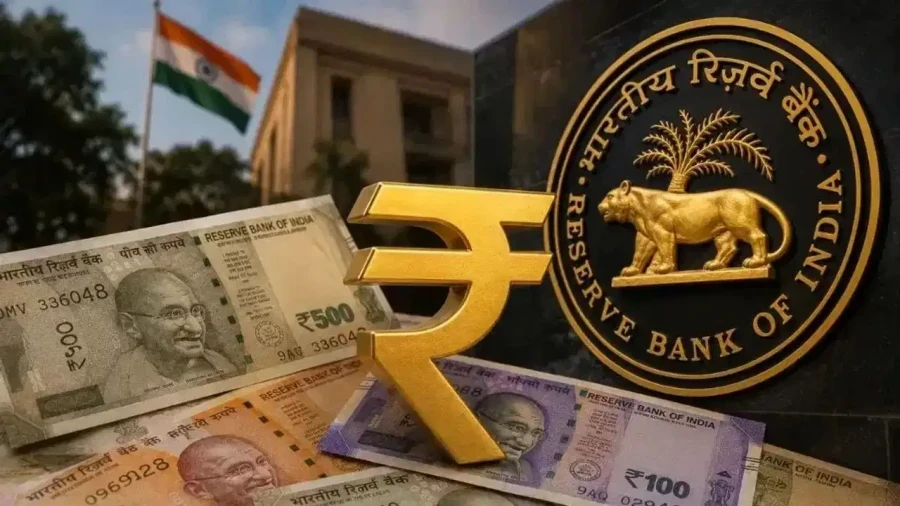
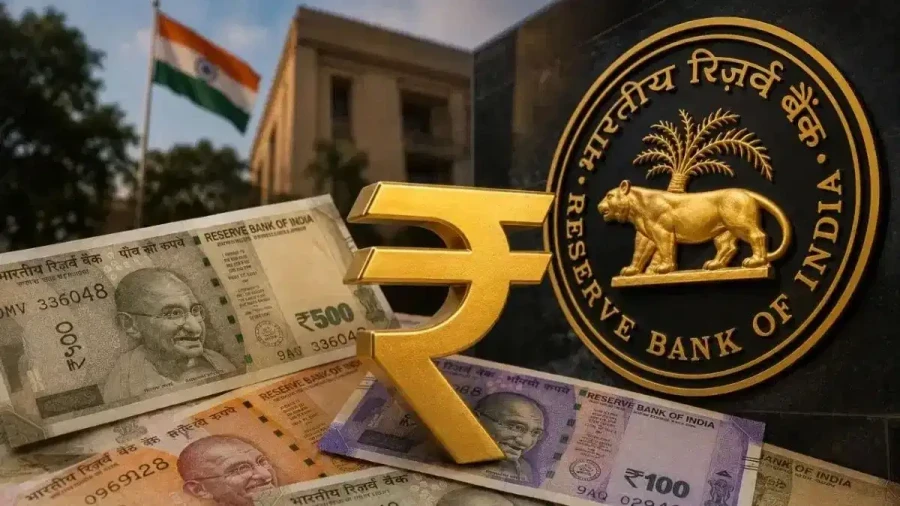
The Reserve Bank of India (RBI) is actively considering the introduction of plastic currency in the country, a move that has sparked significant discussion across the financial sector. RBI Governor Sanjay Malhotra recently shared insights into this development, stating that the proposal for polymer-based banknotes is currently in its initial stages. While the plan is still being evaluated, reports suggest that a pilot project could be announced in the near future to test the feasibility of these notes in the Indian market. This transition towards plastic currency is seen as a strategic step to modernize the Indian monetary system and address several long-standing issues associated with traditional paper currency.
Focus on High-Circulation Denominations
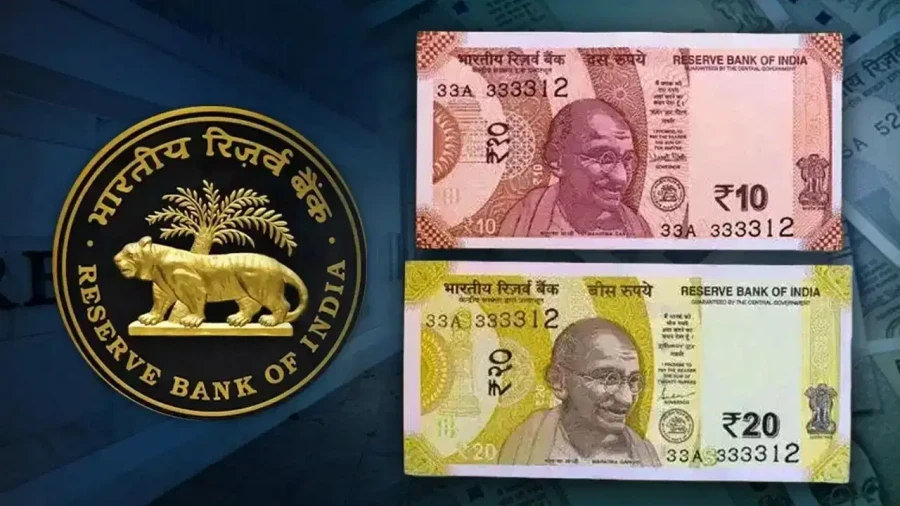
For the initial phase of the pilot project, the central bank is likely to select 10 rupee and 20 rupee notes. These specific denominations have been chosen because they're among the most frequently used notes in daily transactions. Due to their high circulation velocity, paper notes of 10 and 20 rupees tend to get soiled, torn, or damaged very quickly. By replacing them with polymer alternatives, the RBI aims to observe how plastic currency withstands the diverse climatic conditions and heavy usage patterns prevalent in India. The durability of these notes is expected to Notably reduce the frequency of replacement, thereby streamlining the currency management process.
Global Context and Historical Precedents
India isn't alone in this pursuit, as approximately 60 countries around the world have already integrated plastic currency into their financial systems. Notable examples include Australia, Canada, the United Kingdom, Singapore, New Zealand, Malaysia, and Thailand, while australia holds the distinction of being the pioneer in this field, having introduced polymer-based banknotes as far back as 1988. These notes were designed to be more secure, durable, and effective against counterfeiting. Over the decades, Australia's plastic currency has earned a reputation for being among the strongest in the world, with a lifespan that extends over many years. Following Australia's success, other nations followed suit; for instance, Canada transitioned its banknotes to polymer in 2011, and several European countries have also adopted this technology over time.
Key Advantages of Plastic Notes
Experts highlight several advantages of plastic notes over traditional paper currency, while the most significant benefit is their longevity. While standard paper notes typically have a lifespan of 2 to 3 years before they become unfit for circulation, plastic notes can last between 5 to 10 years or even longer. This increased durability is due to the material's resistance to water, moisture, and dust. Unlike paper, polymer notes don't absorb liquids and are much harder to tear, ensuring they remain in good condition even after repeated use. This resilience means that the central bank would need to print new notes far less frequently, leading to substantial environmental and economic benefits.
Combating Counterfeit Currency
Security is another critical factor driving the consideration for plastic currency. A recent RBI report expressed concern over the rising number of counterfeit 500 rupee notes in circulation. Polymer notes offer a superior platform for incorporating advanced security features that are nearly impossible to replicate with traditional printing methods. Experts believe that the implementation of plastic currency could deal a major blow to the fake currency trade, making the entire cash system much more secure for the public and the banking sector alike.
Economic Impact and Cost Reduction
The financial implications of switching to plastic currency are substantial. Every year, India spends thousands of crores of rupees on the printing and maintenance of banknotes. The process of withdrawing soiled notes, destroying them, and printing fresh replacements is a costly and resource-intensive endeavor, while in the financial year 2024-25, a large volume of damaged notes had to be removed from circulation. Because plastic notes last much longer, the long-term costs associated with currency production and management are expected to decrease Notably, providing the RBI with a major avenue for cost savings.
A Phased and Careful Implementation
Despite the ongoing discussions, experts emphasize that there is no need for the public to panic. If India decides to move forward with plastic currency, the implementation will be carried out in a phased manner. Paper notes won't be discontinued abruptly; instead, both types of currency are expected to circulate simultaneously for a transitional period. Currently, the RBI is only weighing its options, but if the plan progresses, it will represent a major technological shift in India's monetary framework, aligning it with the standards of many developed nations worldwide.