
- India,
- 30-Jun-2026 08:30 AM IST



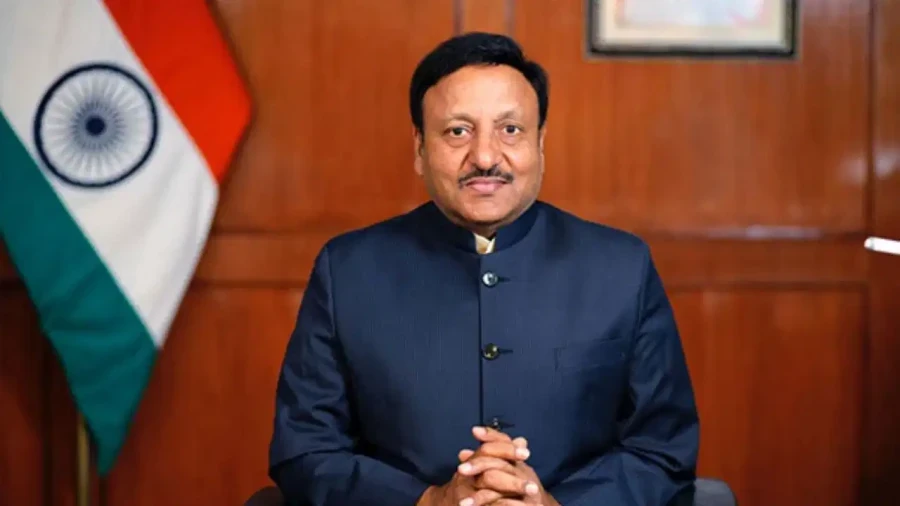
HDFC Bank, India's largest private sector lender, has announced a major leadership transition by appointing former Chief Election Commissioner (CEC) Rajiv Kumar as its new Chairman. The bank's Board of Directors has approved Kumar's appointment as an Independent Director for a period of four years, starting from June 30, 2026. On top of that, subject to the necessary approval from the Reserve Bank of India (RBI), he will take over as the part-time Chairman of the bank for a three-year tenure. This appointment is set to take effect from the date the central bank grants its formal approval. Rajiv Kumar, a distinguished 1984 batch IAS officer, previously served as the 25th Chief Election Commissioner of India and has held the position of Finance Secretary of India until February 2020.
Succession and Strategic Context
Rajiv Kumar will be stepping into the role previously held by Atanu Chakraborty, who resigned unexpectedly in March citing ethical concerns. The bank highlighted that Kumar's vast experience, particularly during his tenure as the Secretary of the Department of Financial Services (DFS) from 2017 to 2020, makes him an ideal candidate for this role. During that period, the Indian banking sector was grappling with significant challenges, including a high volume of unrecognized Non-Performing Assets (NPAs), capital shortages, and governance issues, while kumar is credited with implementing solid policies that cleaned up bank balance sheets and enforced accountability among borrowers through the Insolvency and Bankruptcy Code (IBC).
Key Banking Reforms and Achievements
During his time at the DFS, Rajiv Kumar spearheaded several transformative initiatives, while 38 lakh shell companies were frozen to curb illicit financial activities. He was also instrumental in the passage of the Banning of Unregulated Deposit Schemes Act, 2019, which targeted fraudulent ponzi schemes. To strengthen the banking infrastructure, he mandated the submission of passport details for loans exceeding 50 crore to prevent large defaulters from fleeing the country. Plus, he introduced specialized monitoring for loans over 250 crore and implemented an IT-based risk scoring system based on more than 34 factors to replace loose controls in large bank consortiums.
Financial Strengthening and Consolidation
One of the most significant contributions of Rajiv Kumar was the recapitalization of Public Sector Banks (PSBs), where more than 3 lakh crore was injected to restore their solvency and lending capacity. He also led the massive consolidation process that saw 27 public sector banks merged into 12 stronger entities. On top of that, he oversaw the restructuring of Regional Rural Banks (RRBs) into a more efficient 'One State - One RRB' model. His leadership extended to various high-level committees, including the RBI Central Board, the Financial Stability and Development Council, and the Bank Board Bureau, while meanwhile, the bank also noted that the tenure of the current MD and CEO, Sashidhar Jagdishan, is set to end on October 26, 2026, with expectations of a potential third term recommendation following a clean chit from legal reviews.