
- India,
- 23-Jul-2026 03:14 PM IST



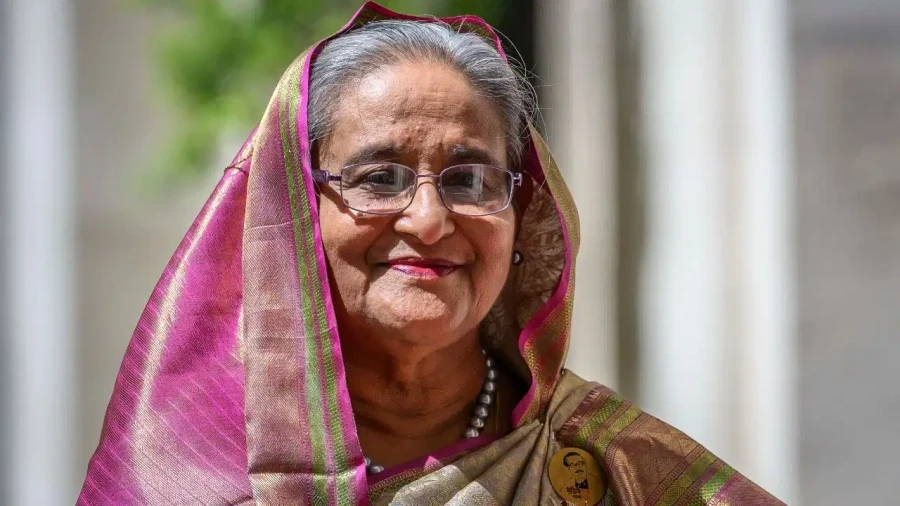
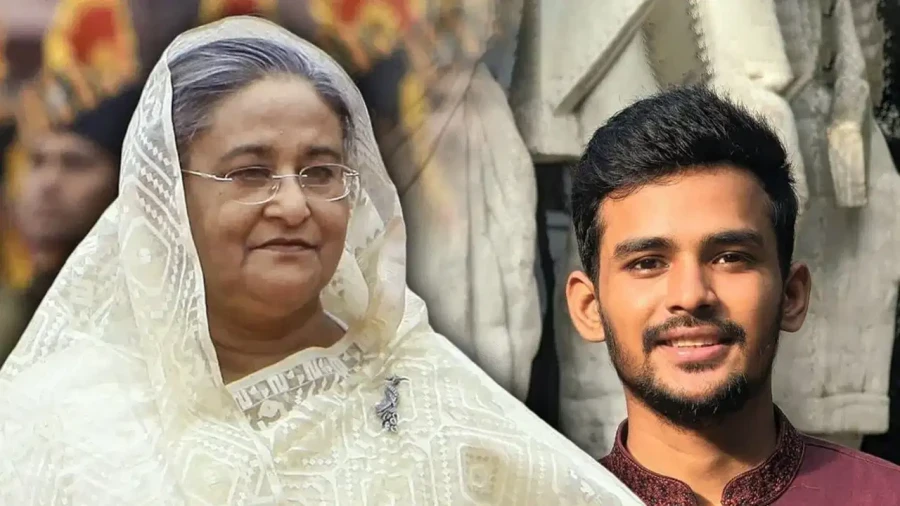
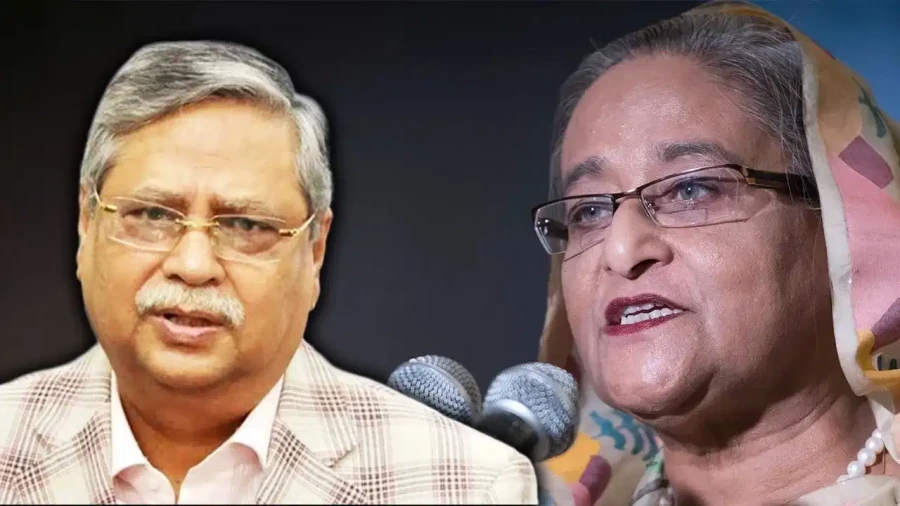
The political landscape of Bangladesh is witnessing a significant upheaval following the announcement by former Prime Minister Sheikh Hasina regarding her planned return to the country by the end of this year. This declaration has sent shockwaves through the current administration led by Tarique Rahman, prompting immediate and drastic political maneuvers. In a direct response to the potential return of the Awami League leader, the Tarique Rahman government has reportedly initiated steps to remove the incumbent President, Mohammed Shahabuddin, from his office, while sources within the President's office have informed the local newspaper Desh Bantur that the government has formally requested the President to tender his resignation, providing him with a deadline that extends until August.
The Ultimatum to President Mohammed Shahabuddin
President Mohammed Shahabuddin, whose constitutional term is scheduled to last until 2028, now faces an unexpected ultimatum to vacate his position by August. While the President's office has confirmed the receipt of this demand from the Rahman administration, it remains unclear whether the President will comply with the request. As of now, no official decision has been made by the President regarding his resignation. The move to oust the head of state is seen as a strategic attempt by the Bangladesh Nationalist Party (BNP) led government to consolidate power and eliminate any potential legal or constitutional hurdles that might arise upon Sheikh Hasina's return.
Reasons Behind the Push for Resignation
The primary motivation behind the government's demand for the President's resignation lies in his perceived proximity to Sheikh Hasina. It was Sheikh Hasina who appointed Mohammed Shahabuddin to the presidency in 2023. During the political transition and the coup that occurred in August 2024, there were initial demands for the President's removal. However, at that time, the BNP opposed such a move due to specific constitutional provisions. Throughout the tenure of the Yunus-led interim government, the BNP had actually shown support for the President, which allowed him to remain in office despite the change in the executive branch. However, the situation has changed drastically with the news of Hasina's impending return.
The current government harbors deep-seated fears that if Sheikh Hasina returns to Bangladesh, President Shahabuddin could work with his constitutional authority and legal mechanisms to provide her with protection or facilitate a political comeback. The BNP administration is concerned that the President's presence might prevent them from taking strict legal actions against the former Prime Minister, while despite the recent political shifts, Sheikh Hasina and her party, the Awami League, are still considered to possess a strong organizational base within the country. A strong return by the 79 year old leader could Importantly increase the political challenges faced by Tarique Rahman and his government.
Health Concerns as a Potential Exit Strategy
In an effort to ensure a smooth transition and avoid a constitutional crisis, the Tarique Rahman government has suggested that the President should cite health reasons for his resignation. President Shahabuddin has been dealing with health issues for some time and recently underwent heart surgery in London. By using his medical condition as a justification for stepping down, the government hopes to provide a dignified exit for the President while achieving its political objectives. The President has been reported to be unwell for a considerable period, which the government views as a viable pretext for his departure from the presidency.
Sheikh Hasina's Exile and Planned Return
The current political crisis traces back to August 2024, when a widespread rebellion led to the ousting of Sheikh Hasina's government. Following the coup, she fled from Dhaka to Delhi, seeking refuge in India. In the aftermath of her departure, her political party faced severe restrictions and bans within Bangladesh. Subsequently, in the general elections held in February of this year, Tarique Rahman's party emerged victorious and formed the government. Despite being away from the country and facing immense legal pressure, Sheikh Hasina has now declared her intention to return to Dhaka by the end of the year. In her announcement, the 79 year old leader emphasized that her struggle is far from over, a statement that has intensified the political friction in the nation.
Legal Challenges Awaiting the Former Prime Minister
Sheikh Hasina's return is fraught with extreme legal risks. She currently faces more than 600 registered cases against her in Bangladesh. Also, she has already been sentenced to death in 10 different cases. Despite these daunting legal hurdles and the threat of capital punishment, her resolve to return has caused significant anxiety within the current administration. The government is now focused on ensuring that the presidency is held by someone who won't interfere with the legal proceedings or the political strategy aimed at containing the influence of the former Prime Minister and her party.