
- India,
- 29-Aug-2026 05:41 PM IST



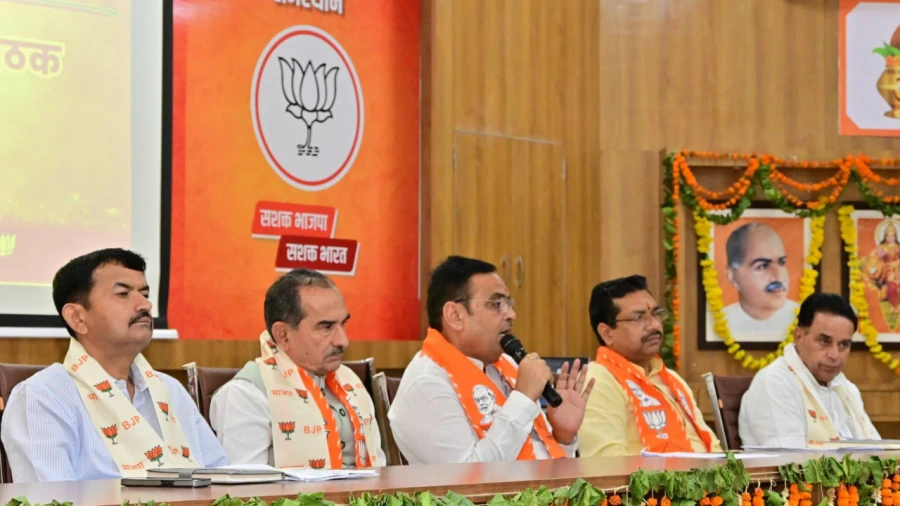
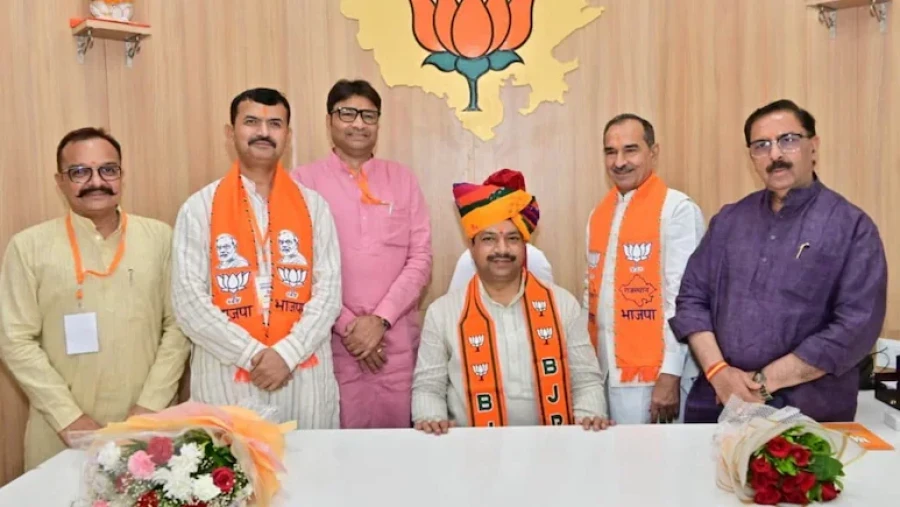
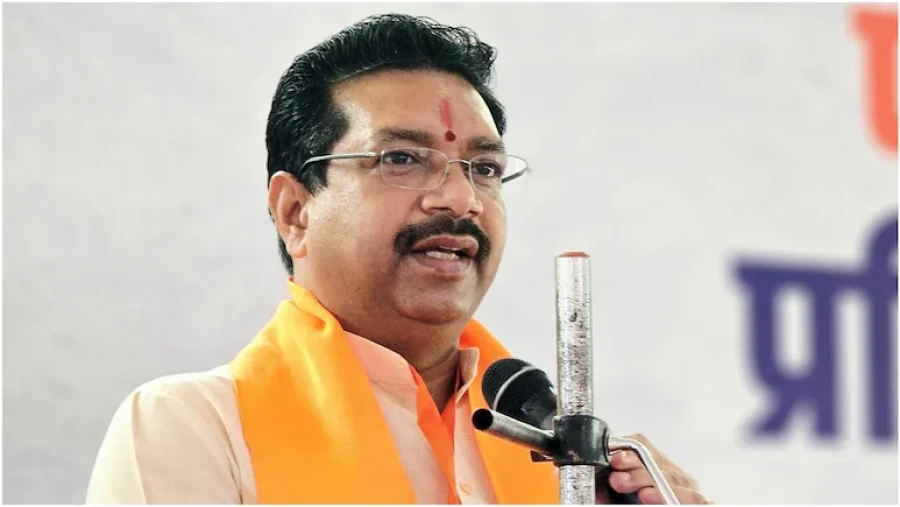
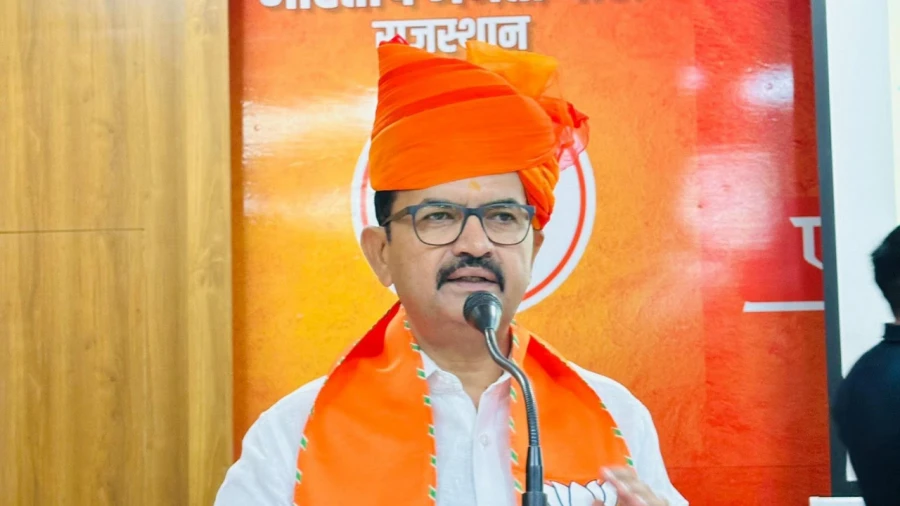
In the wake of the upcoming urban local body elections in Rajasthan, the Bharatiya Janata Party (BJP) has intensified its internal deliberations regarding ticket distribution, while the BJP headquarters in Jaipur has become the center of intense political activity as division-wise meetings continue to finalize candidates for the wards of 309 urban local bodies across the state. Amidst this high-stakes environment, BJP State General Secretary Shravan Singh Bagri engaged in an exclusive conversation with ETV Bharat correspondent Jaswant Solanki. During the interview, Bagri addressed several critical issues, including the party's strategy for ticket allocation, the potential for internal dissent, and the allegations leveled by the opposition Congress party.
The Bottom-Up Approach to Ticket Distribution
Shravan Singh Bagri emphasized that the BJP is following a strictly structured and transparent process for selecting candidates, while he clarified that the journey of a ticket seeker begins at the very grassroots level. According to Bagri, the names that eventually reach the state leadership have already undergone multiple layers of scrutiny and deliberation. This bottom-up approach is designed to ensure that the final candidates possess local support and winnability, while bagri stated that the process is so comprehensive that by the time the names reach the state level, they've been vetted at several stages, leaving little room for arbitrary changes. He indicated that the final list of names would likely be completed by late tonight, after which the names would be sent back to the district level for the formal issuance of symbols.
Collective Decision-Making vs. Internal Rebellion
Addressing the rumors of potential rebellion or conflict within the party, Bagri was firm in his stance, while he asserted that while the Congress party might be hoping for discord within the BJP, those hopes would remain unfulfilled. He explained that the BJP operates on the principle of collective decision-making. Unlike other political entities where decisions might be centralized or influenced by a few individuals, the BJP involves its workers, local organizations, and regional feedback mechanisms, while bagri noted that it's natural for many workers to aspire for a ticket, but once a collective decision is reached, the organizational discipline of the BJP ensures that everyone works toward the common goal of victory. He mentioned that if any dissatisfaction arises, the party leadership is prepared to engage in dialogue with the workers to resolve their concerns.
Critique of Factionalism in Congress
Bagri launched a scathing attack on the Congress party, accusing it of being deeply divided into various power centers. He specifically named prominent leaders such as Ashok Gehlot, Govind Singh Dotasra, Tika Ram Juli, and Sachin Pilot, stating that the Congress is split into these distinct camps. According to Bagri, the situation within the Congress is so dire that their own workers are confused about which leader to approach for a ticket. He claimed that the lack of a unified leadership in the Congress has led to a scenario where potential candidates are hesitant even to apply for tickets. He contrasted this with the BJP's unified structure, where the focus remains on the organization rather than individual factions.
The Role of Local Committees
The General Secretary detailed the hierarchy of the selection process. It begins with the core committee at the local body level, followed by discussions at the assembly level, and then the district level committee. Bagri explained that since the names are thoroughly discussed at these three primary levels, the state-level committee primarily acts as a final oversight body. He reiterated that the names emerging from the bottom-up process would be the final ones, as they reflect the pulse of the local electorate and the hard work of the party's ground-level activists. This systematic approach, he argued, is why the BJP is able to manage the selection process efficiently without significant delays or internal strife.
Maintaining Worker Dignity
Concluding his remarks, Bagri spoke about the importance of maintaining the respect and dignity of every party worker. He acknowledged that while only one person can receive a ticket for a specific ward, the contribution of every worker is vital to the party's success. He assured that not receiving a ticket doesn't diminish a worker's standing within the organization, while the BJP, he said, values the roles and responsibilities of its members beyond just electoral contests. By maintaining constant communication and emphasizing the collective mission, the party aims to head into the urban local body elections as a cohesive and formidable force, leaving no room for the opposition's hopes of a split.