
- India,
- 21-Jul-2026 07:06 AM IST



A catastrophic accident has struck the Namchi district of Sikkim, where a massive explosion and subsequent landslide inside an under-construction tunnel of NHPC's Teesta Stage-6 hydroelectric project have led to a tragic loss of life. According to the latest reports from the district administration, at least 7 workers have been confirmed dead so far. The incident occurred when a pocket of methane gas ignited, causing a portion of the tunnel to collapse and trapping more than 27 workers inside the structure. The scale of the disaster has prompted an immediate and large-scale rescue operation involving multiple agencies to save those still stuck behind the debris.
The Cause of the Explosion and Tunnel Collapse
5 kilometers deep into the structure. The disaster unfolded while efforts were being made to vent or manage this accumulated gas. A sudden explosion occurred, which triggered a landslide inside the tunnel. This landslide effectively sealed off the exit route with a massive amount of debris, leaving dozens of workers stranded in a life-threatening environment. While some workers managed to escape the tunnel immediately after the blast, many others remained trapped behind the wall of rubble, leading to a desperate situation for the families and the project authorities.
Challenges in the Rescue Operation
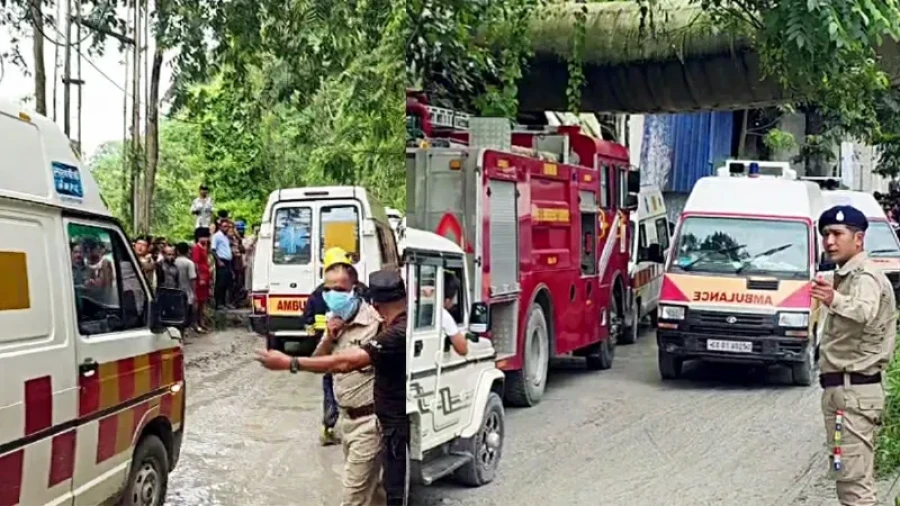
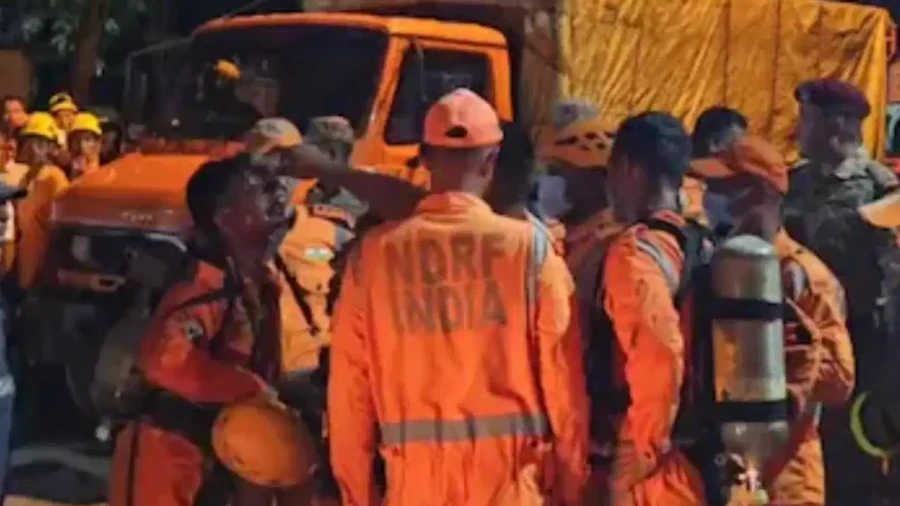
The rescue mission is being conducted under extremely hazardous conditions. Teams from the National Disaster Response Force (NDRF), State Disaster Response Force (SDRF), local district police, and the fire brigade reached the spot shortly after the alarm was raised. However, the rescuers are facing a multitude of obstacles. The presence of toxic methane gas, a severe lack of oxygen, and near-zero visibility inside the tunnel have made it nearly impossible to proceed at a normal pace. During the initial stages of the rescue, several personnel from the fire brigade experienced acute breathing difficulties due to the toxic fumes, forcing a temporary halt to the operations to ensure the safety of the rescue teams themselves, while the narrow passages and the unstable nature of the debris further complicate the movement of heavy machinery.
Mobilization of Resources and Current Status
Recognizing the complexity of the situation, the authorities have called for specialized assistance. A team equipped with advanced gas-protection gear and specialized rescue equipment has been summoned from West Bengal to assist the local teams. Ambulances have been stationed at the site to provide immediate medical attention to any survivors pulled from the debris. Rescue workers are now utilizing gas masks and other safety apparatus to navigate the dangerous passages of the tunnel. The district administration has emphasized that the combination of poisonous gas, restricted space, and poor visibility continues to make this one of the most challenging rescue operations in the region, while all agencies are currently working on a war footing to reach the remaining trapped workers and recover those who have lost their lives in this unfortunate industrial disaster.