
- India,
- 20-Aug-2026 12:03 PM IST



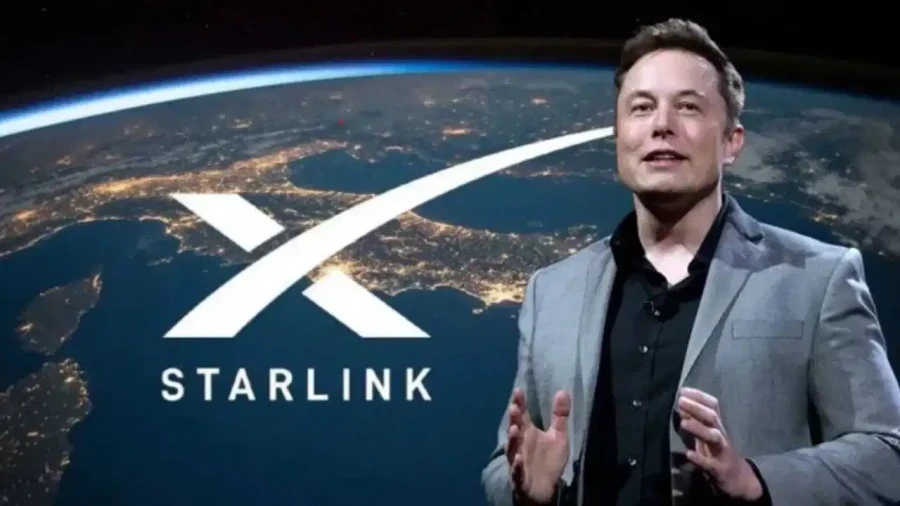
Elon Musk's satellite communication venture, Starlink, has intensified its efforts to enter the Indian market by submitting a fresh application for its advanced Gen 2 satellite constellation. According to a report by ET, the company has approached the Indian space regulator, the Indian National Space Promotion and Authorisation Centre (IN-SPACe), to seek approval for this new network. This move is seen as a strategic step to introduce cutting-edge technologies, including Direct-to-Device (D2D) connectivity, which could Notably alter the telecommunications landscape in the country. Sources familiar with the matter have indicated that this application represents Starlink's renewed commitment to establishing a strong satellite-based internet infrastructure in India.
The Gen 2 Constellation and Regulatory History
The application for the Gen 2 constellation comes after previous regulatory hurdles. A few years ago, IN-SPACe had not granted approval for Starlink's older application, which involved a massive network of approximately 30,000 satellites. The rejection at that time was attributed to certain features and spectrum bands in the application not being in compliance with the established rules and regulations. However, Starlink has now returned with a revised proposal specifically for its Gen 2 constellation. An individual aware of the development, speaking on the condition of anonymity, stated that the company is seeking permission to deploy these satellites in Low Earth Orbit (LEO) at altitudes ranging from 340 to 615 kilometers. As the world's largest LEO satellite operator, Starlink, managed by SpaceX, views the Indian market as a high-potential arena, even though the satellite communication sector in the country is still in its nascent stages.
Approval Status and Technical Specifications
In a notable development, the report mentions that in July 2025, IN-SPACe had granted approval only for Starlink's Gen 1 constellation. This Gen 1 network consists of 4,408 LEO satellites designed to provide traditional broadband internet services. The current push for Gen 2 is driven by the anticipation of Direct-to-Device technology becoming a reality soon. While SpaceX and IN-SPACe have not officially responded to queries regarding this matter, the industry expects that D2D features and more spectrum bands for satellite communication will soon receive the green light in India. This regulatory optimism is likely what prompted Starlink to reapply for the Gen 2 network, which seeks approval for approximately 30,000 satellites. Although SpaceX eventually plans to deploy around 42,000 satellites in its Gen 2 network globally, the current application to IN-SPACe focuses on the 30,000 figure, with the possibility of seeking further approvals as requirements evolve.
Competitive Landscape and Market Impact
If Starlink secures the necessary approvals for its Gen 2 network, it could gain a significant competitive advantage over other players in the Indian market. Its primary rivals include Reliance Jio, which has proposed a LEO network of 1,600 satellites, as well as Amazon Leo and Eutelsat OneWeb. Experts believe that the Gen 2 constellation will provide Starlink with superior coverage and capacity compared to its competitors. The ET report from January 27 had previously suggested that Starlink might need to reapply for the Gen 2 constellation, a prediction that has now materialized. For any company to launch satellite services in India, obtaining clearance from IN-SPACe is a mandatory requirement, making this application a critical milestone for Musk's venture.
Regulatory Challenges and Security Concerns
Despite the technological promise, no Non-Geostationary Orbit (NGSO) company, including Starlink, Eutelsat OneWeb, or the joint venture between Jio and Luxembourg-based SES, has commenced commercial services in India yet. The primary reasons for this delay include pending security clearances and the allocation of spectrum. The Telecom Regulatory Authority of India (TRAI) has already provided its recommendations regarding the pricing of satellite spectrum, but the government is yet to take a final decision. Also, discussions regarding D2D services are ongoing at TRAI, with recommendations expected in the coming months. Indian telecom operators have expressed concerns, viewing D2D services as a potential threat to their business. They argue that if satellite companies are allowed to provide direct connectivity to mobile users, they should be subject to the same regulatory rules as traditional telecom operators. While countries like the USA, Canada, and Australia have already implemented rules for using satellite communication to enhance phone coverage, India remains cautious due to national security implications. The government aims to ensure that satellite operators comply with all regulations to prevent the misuse of space infrastructure and maintain the ability to monitor it when necessary.