
- India,
- 29-May-2026 03:44 PM IST



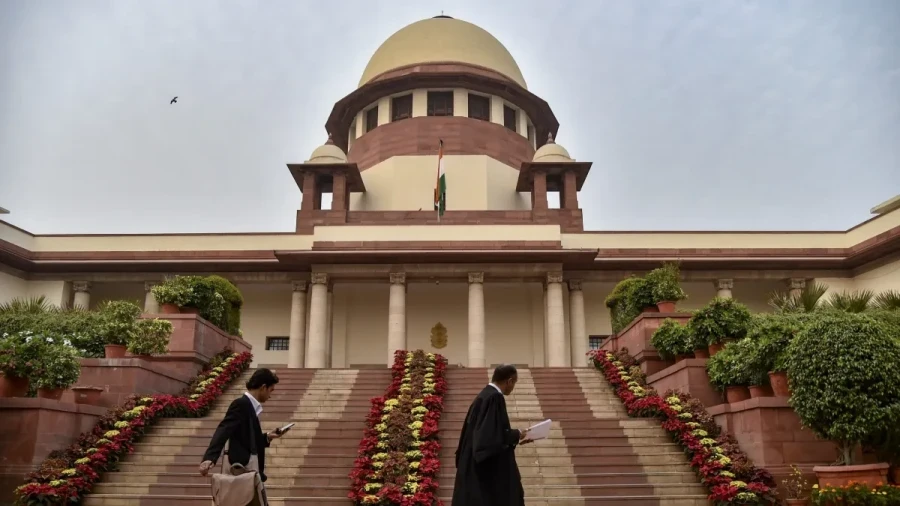
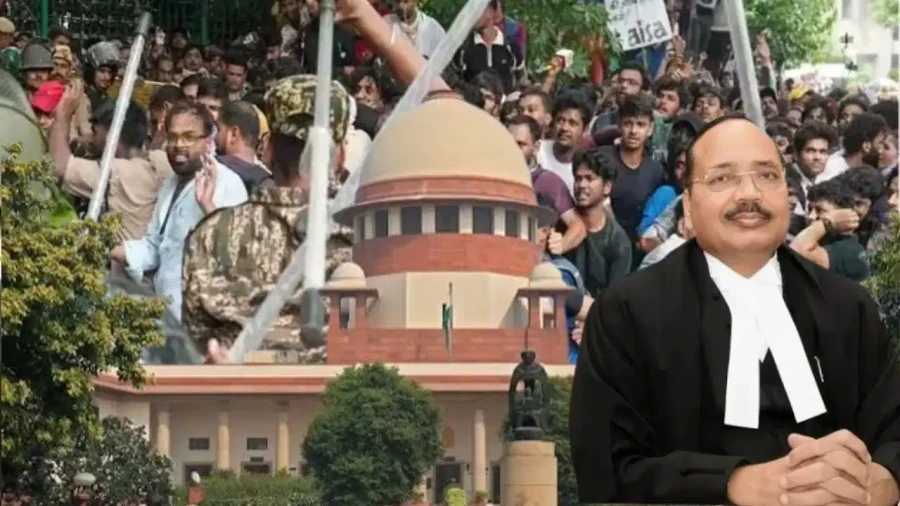
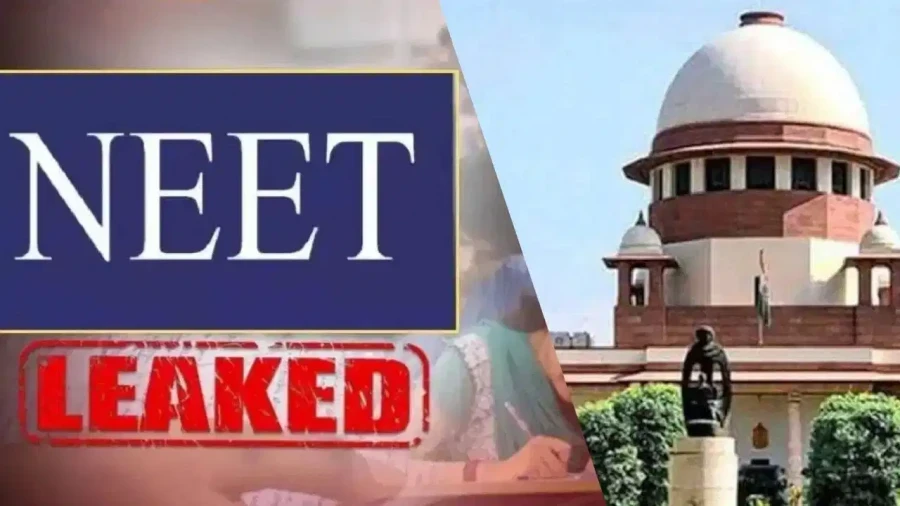
The Supreme Court of India has expressed serious concern over the NEET paper leak case, emphasizing that accountability must be established to understand how such a significant breach occurred. During the hearing, the bench made several sharp observations regarding the failure of the system and the role of the expert committee tasked with overseeing the examination process. The court questioned the Chairman of the committee, asking for a detailed account of the monitoring efforts during the implementation of recommendations. The bench pointed out that if the paper leak happened despite the recommendations of the High Powered Committee (HPC), it indicates either a flaw in the recommendations themselves or a complete lack of monitoring during their execution.
Questions on Monitoring and Implementation
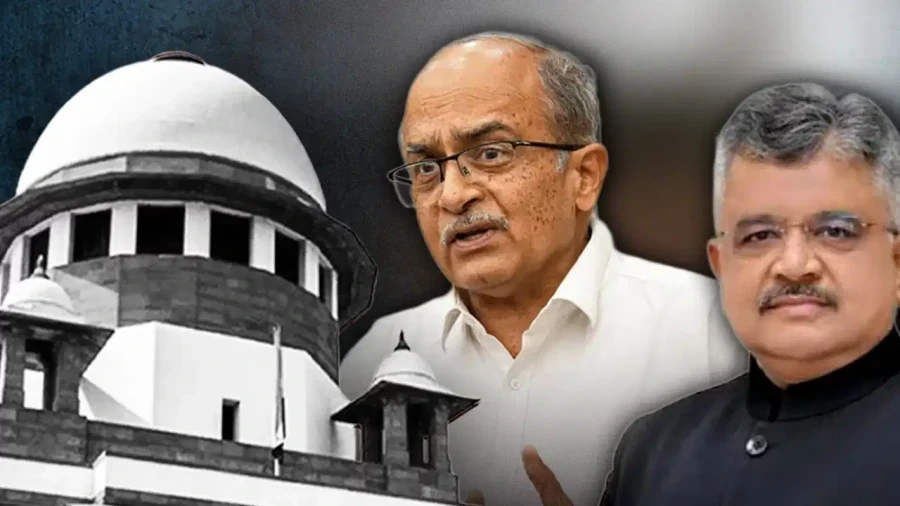
The Supreme Court directed its queries to the Chairman of the expert committee, Dr. Radhakrishnan, seeking clarity on his role as a member and the extent of monitoring that took place. The court asked, "We want to ask you that you were originally a member of the expert committee, how much monitoring of the implementation was done? " The bench further noted that this is an extremely sensitive matter and the reality of how the leak occurred must come to light, while addressing Solicitor General (SG) Tushar Mehta, the court stressed that the truth behind the incident needs to be uncovered to prevent future occurrences.
Committee's Defense and Recommendations
In response to the court's observations, Dr, while radhakrishnan informed the bench that the committee had provided 60 suggestions to improve the examination process. He stated that most of these 60 recommendations have already been implemented, while some are still in the process of being executed. Regarding the conduct of the NEET UG 2025 examination, he mentioned that it was held satisfactorily, with only a few incidents of power outages reported at some centers. He asserted that the recommendations were followed and the examination was successful overall, while dr. Radhakrishnan also highlighted that the committee had specifically recommended strengthening the National Testing Agency (NTA).
Focus on Re-NEET and Future Measures
Dr, while radhakrishnan further explained that the core issue involved the manipulation of question papers. He assured the court that several measures have already been put in place and that all necessary precautions have been taken for the upcoming re-NEET examination scheduled for next month. When Justice Narasimha asked whether the committee meets regularly, Dr. Radhakrishnan confirmed that they do. However, Justice Narasimha remarked that the real problem wouldn't be solved until actual accountability is fixed. He emphasized that without determining responsibility, accurate information and a permanent solution would remain elusive.
Comparison with UPSC and Institutional Capacity
During the proceedings, Justice Narasimha drew a comparison with the Union Public Service Commission (UPSC), noting that there have never been such issues with their examinations, while he told the representatives that they must understand this distinction. The Solicitor General mentioned that railway examinations also follow a solid system. The Supreme Court observed that the problem with most Indian institutions is ad-hocism, where knowledge isn't effectively disseminated. " SG Mehta added that the government is extremely serious about matters involving the youth and has established new arrangements for the examination on the 21st, which are being monitored at the highest level.