

- India,
- 08-Dec-2025 05:20 PM IST


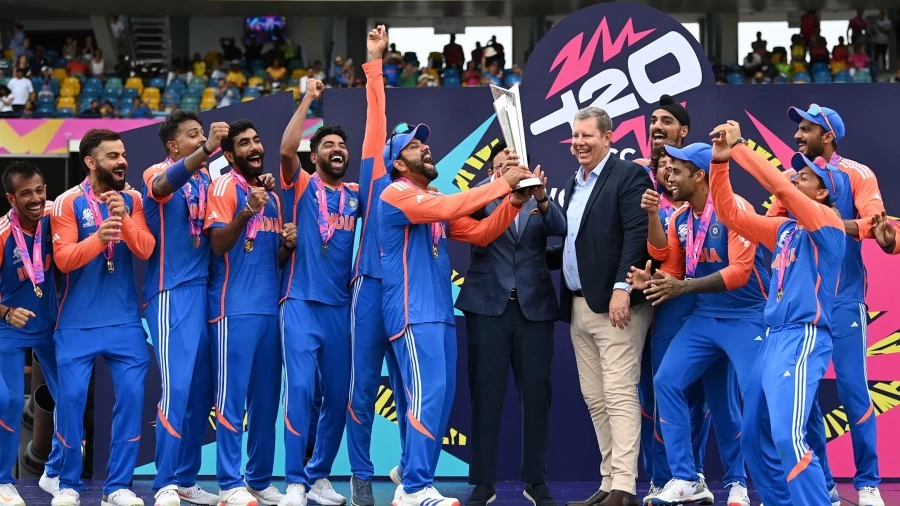
Cricket enthusiasts in India are facing an unsettling prospect as the broadcast of the upcoming Men's T20 World Cup hangs in the balance. JioStar, the primary broadcaster, has decided to withdraw from its ICC media rights deal just three months before the tournament is set to commence. This unexpected move is attributed to significant financial losses incurred by the company, creating a cloud of uncertainty over the telecast of matches across India.
Details of the Deal and Reasons for Losses
JioStar, formerly known as Star India, secured the India media rights for all ICC tournaments from 2024 to 2027 in a major deal struck in 2023. The agreement was valued at approximately $3 billion, equivalent to about ₹25,000 crore. Under this deal, JioStar was obligated to pay an average of ₹6,000 crore to the ICC annually, while however, the company has reported that its earnings from advertising and subscriptions have fallen short of expectations, leading to substantial financial setbacks. The situation was further exacerbated by the ban on real-money gaming. Apps like Dream11, which were among the largest advertisers in cricket. While traditional brands have reportedly returned, filling the void left by the gaming apps has proven challenging.
Assessment of Financial Losses
JioStar has begun to account for these anticipated losses by setting aside funds as 'provision' in its financial records, indicating that the company expects this money to be irrecoverable, while in the previous fiscal year (2023-24), the company estimated a loss of approximately ₹12,319 crore from the ICC deal, and that amount was provisioned. However, a reassessment for the current year (2024-25) has seen the total estimated loss surge to ₹25,760 crore. In essence, JioStar acquired the rights for ₹25,000 crore but now projects that it will. Not only fail to recover this amount but could face further losses up to ₹25,760 crore. This dire financial outlook is the primary driver behind the company's decision to exit the deal.
ICC's Response and Alternatives
Following JioStar's withdrawal, the ICC has promptly initiated efforts to find a new broadcaster. It has reportedly reached out to major streaming and broadcasting entities such as Sony, Netflix, and Amazon Prime Video. However, according to an ET report, none of these platforms have shown significant interest in acquiring the rights so far, primarily due to the high asking price. This lack of interest leaves the ICC in a precarious position, with the future of cricket broadcasting in India hanging in the balance.
ICC's Future Strategy and India's Importance
The ICC has also commenced a new sale process for its India media rights for the 2026-29 cycle. For this new deal, the organization is reportedly seeking around $2. 4 billion, which is a reduction compared to the $3 billion valuation of the current 2024-27 deal. This indicates a strategic shift by the ICC in response to evolving market conditions, while india remains a critically important market for the ICC, contributing approximately 80% of its total revenue, underscoring the country's central role in the global cricket economy. Interestingly, while JioStar faces massive losses, the ICC reported a surplus of $474 million (approximately ₹4,000 crore) in 2024, highlighting a disparity between the broadcaster's and the governing body's financial fortunes.
Indian Sports Media Market Landscape
The Indian sports media market has largely become dependent on JioStar and Sony. With their potential merger, this has effectively created a virtual duopoly, leaving the ICC with limited options for potential new broadcasters. Sony, while holding various media rights for the Asian Cricket Council, New Zealand Cricket, and the England Board, has reportedly kept its distance from the current ICC deal. Netflix, on the other hand, is focusing on properties like WWE, staying away from cricket, while Amazon's involvement in live sports broadcasting remains limited. Globally, streamers are investing in live sports, but rising costs for leagues like the NBA and NFL have made them more selective, while even the IOC and FIFA are reportedly receiving lower valuations in India.
JioStar's Contractual Obligation and the Upcoming T20 World Cup
According to its contract with the ICC, JioStar is legally bound to the deal until 2027, while this implies that if no new partner is found, JioStar might still be obligated to broadcast the matches, despite facing significant losses. This situation presents a substantial challenge for both JioStar and the ICC, while meanwhile, the ICC has already released the schedule for the T20 World Cup 2026. The tournament is set to begin on February 7, with 55 matches played over 29 days across 8 venues in 7 cities in India and Sri Lanka. The highly anticipated group stage clash between India and Pakistan is scheduled for February 15 in Colombo. The uncertainty surrounding broadcast rights ahead of such a major tournament is a significant concern for cricket fans worldwide.
