
- India,
- 12-Jun-2026 12:08 PM IST



The Trinamool Congress (TMC), which has held a firm grip on West Bengal's political landscape for the past 15 years, is currently navigating through a period of intense internal turmoil. The crisis for the Mamata Banerjee-led party seems to be escalating as the wave of rebellion, which initially started with MLAs and Rajya Sabha members, has now reached the Lok Sabha. According to recent reports and internal sources, a significant group of 19 out of 20 breakaway MPs submitted a formal proposal to the Lok Sabha Speaker's office on May 18 to be recognized as a separate group. This move indicates a potential shift in their political allegiance, with many appearing ready to support the Bharatiya Janata Party (BJP).
Prominent Muslim Leaders Among Rebels
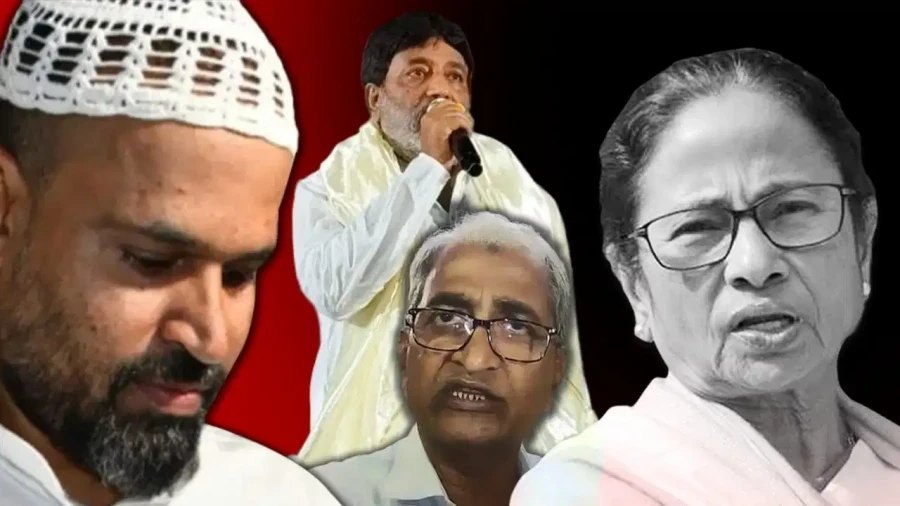
A striking feature of this rebellion is the inclusion of 3 prominent Muslim MPs from West Bengal. These leaders, who have been influential figures within the TMC, are now reportedly inclined towards joining hands with the BJP. The list of these rebel Muslim MPs includes the cricketer-turned-politician Yusuf Pathan, who represents the Baharampur constituency. Joining him are Khalilur Rahman from the Jangipur seat and Abu Tahir Khan from Murshidabad. Their decision to distance themselves from the TMC leadership marks a significant shift in the state's political dynamics, especially considering the traditional support bases in these regions.
Comprehensive List of Rebel Lok Sabha MPs
Beyond the 3 Muslim MPs, the group that sent the letter to the Lok Sabha Speaker's office comprises several other notable names. The list includes Kakoli Ghosh Dastidar, Satabdi Roy, Bapi Haldar, and Dr. Sharmila Sarkar. Other MPs who are part of this dissenting faction are Prasun Bandyopadhyay, Jagadish Barma Basunia, Asit Kumar Mal, and Arup Chakraborty. The rebellion also sees participation from Rachana Banerjee, Sayoni Ghosh, Mitali Bag, and Mala Roy, while On top of that, Kalipada Soren, Deepak Adhikari, June Malia, and Parth Bhowmick have also been identified as part of the 19 MPs who are seeking a separate identity from the TMC in the lower house of Parliament.
Internal Friction and Leadership Changes
The internal rift became even more apparent through the administrative changes attempted by the TMC leadership. Sources indicate that in the initial letter sent on May 18, Kakoli Ghosh Dastidar was designated as the Chief Whip of the TMC. However, in a swift counter-move on May 20, the TMC leadership sent another letter to the Speaker's office, stating that Kalyan Banerjee would replace Kakoli Ghosh Dastidar as the Chief Whip. This sequence of events highlights the growing friction between the party high command and its elected representatives.
Triple Blow in the Rajya Sabha
The rebellion in the Lok Sabha follows a series of setbacks for Mamata Banerjee in the Rajya Sabha. Within a single week, 3 Rajya Sabha MPs have resigned from their positions. Prakash Chik Baraik submitted his resignation from the Upper House on Thursday after meeting with Rajya Sabha Chairman C P Radhakrishnan, while he was the third MP to resign this week. The exodus began on Monday when Sukhendu Sekhar Ray stepped down, later announcing his departure from the party altogether due to differences with the TMC leadership. Following Ray, Sushmita Dev also resigned from both the Parliament and the party on Wednesday. These resignations suggest a deepening divide within the party's national representation.
The Assembly Precedent
The current unrest in Parliament is a continuation of the rebellion that surfaced in the West Bengal Legislative Assembly following the party's recent electoral setbacks. Last week, more than two-thirds of the TMC's legislative strength—specifically 58 out of 80 MLAs—broke away from the Mamata Banerjee-led legislature party. Under the leadership of expelled MLA Ritabrata Banerjee, this group has sought recognition as the main opposition group in the assembly. The rebel faction claims that their numbers have only grown since then, setting a precedent that has now manifested at the central level in both the Rajya Sabha and the Lok Sabha.