
- India,
- 17-Aug-2026 08:42 AM IST



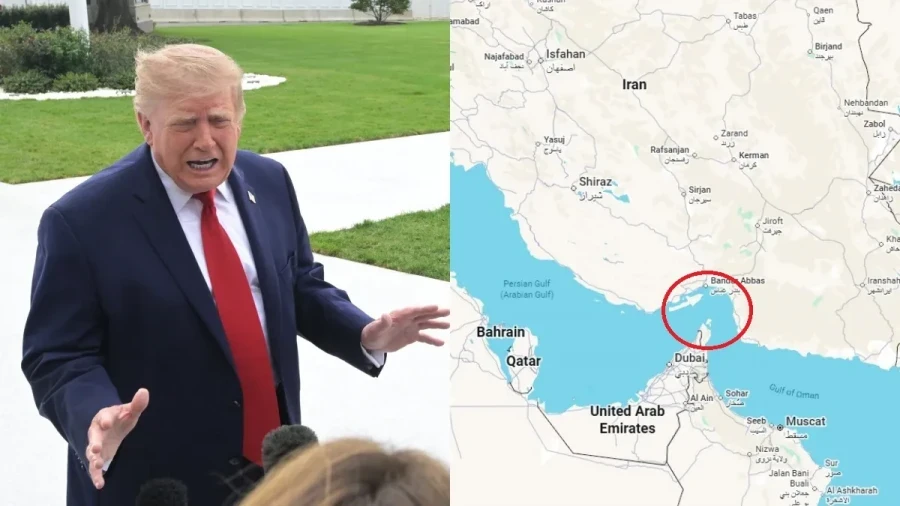
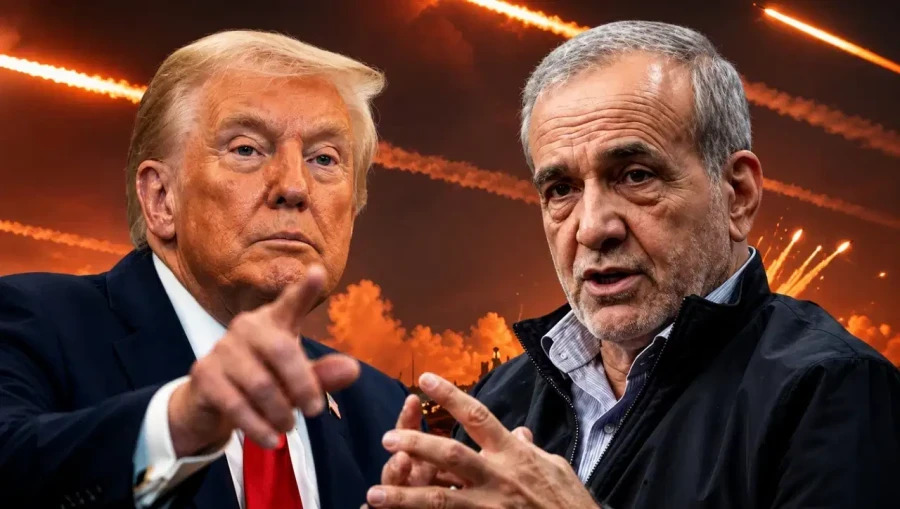
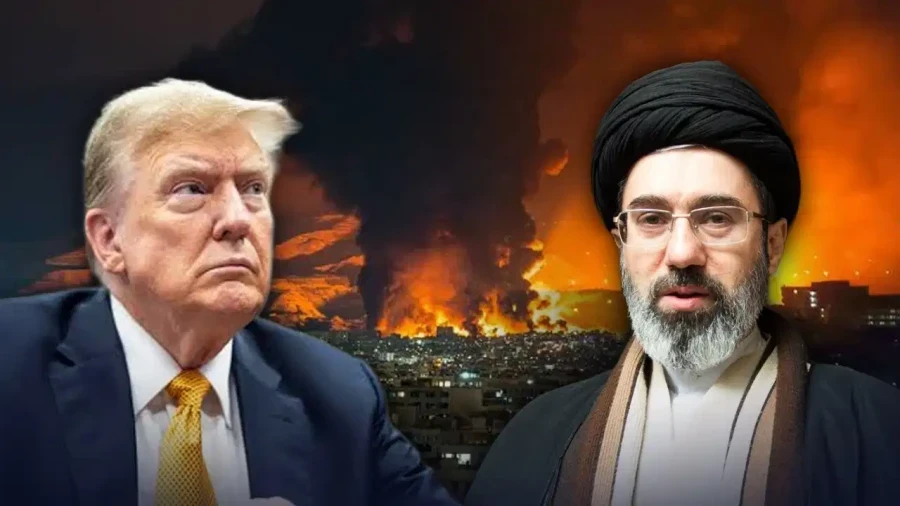
The clock is ticking on the ceasefire in the Arabian region, and the central question remains whether the missiles will fall silent or a new phase of warfare is about to commence. The recent military and diplomatic maneuvers by the United States have deepened this suspense. While Washington is preparing options to increase pressure on Iran, Tehran shows no signs of backing down. A line of tension has been drawn from the Strait of Hormuz to the Arabian Sea, where a single wrong decision could plunge the entire Gulf region into a renewed crisis.
The Critical 24 Hours and Trump's Move
The next 24 hours are considered extremely crucial for Arab nations as the United States might take a massive decision regarding Iran. Indications suggest that Donald Trump was waiting for the ceasefire period to end before initiating a significant move. Several key developments point towards a major strategic shift. First, Donald Trump has arrived at Camp David. Second, the USS George Bush has been assigned a major operation in the Arabian Sea. Third, US Secretary of State Marco Rubio has reached the CENTCOM headquarters. Fourth, a comprehensive plan has been developed to protect US military logistics from potential Iranian retaliatory strikes.
When viewed individually, these events might seem like routine military or political activities. However, when placed together just before the ceasefire deadline, the picture becomes far more serious. The convergence of these high-level movements suggests that the US is preparing for all eventualities, ranging from a diplomatic ultimatum to direct military action.
The Significance of Camp David
The sudden arrival of Donald Trump at Camp David, the presidential retreat nestled in the hills and forests of Maryland far from Washington, indicates that high-level planning is underway. Historically, Camp David has been used during times when major diplomatic and national security decisions must be discussed away from the glare of cameras. The big question now is whether a formula to save peace is being prepared at Camp David, or if the US strategy for the post-ceasefire period is being finalized.
In a state of potential conflict, a President often faces two primary choices: peace or attack, while trump appears to be weighing these options, alongside other measures such as sanctions, blockades, military pressure, and diplomatic ultimatums. The challenge remains to maintain the trust of allied nations while finding a way to make Iran yield to US terms with minimal military losses for the United States.
Iran's Strategy and US Base Relocation Plan
Anticipating potential US strikes, Iran has prepared its counter-attack strategy. In response, the US has devised a plan to shift its military assets to safer locations. One of the primary moves involves the potential relocation of the 5th Fleet Headquarters from Bahrain. The logic behind this is geographical; the distance from Iran to the Rota Naval Station in Spain is 5000 km, which is well beyond the 3000 km maximum range of Iranian missiles.
Similarly, the US could shift Camp Arifjan in Kuwait to the Lakenheath Royal Base in the UK, which is 4500 km away from Tehran. This distance would ensure that Iranian missiles can't reach the facility, thereby securing US logistics, while another strategic move involves shifting the Al-Udeid Airbase in Qatar to the Ramstein Air Base in Germany, located 4400 km from Tehran. This relocation would keep the CENTCOM command center safe from missile threats.
Securing the Arabian Peninsula
The US strategy also includes moving assets from the Prince Sultan Air Base in Saudi Arabia to Diego Garcia, a British territory in the Indian Ocean, providing an impenetrable security shield. Plus, the Al-Dhafra Air Base in the UAE could be shifted to the Aviano Airbase in Italy. At a distance of 3500 km, it sits outside the 3000 km range of Iranian missiles, protecting stealth jets and reconnaissance aircraft from potential strikes.
If Iran doesn't accept the pressure, the Strait of Hormuz could once again become the epicenter of an explosion. The situation in Arab countries could become terrifying, which is why the US has planned these rapid base shifts, while deployment is also being increased at Diego Garcia to ensure that US naval power in the region remains undiminished. The core of this strategy lies in whether the US is doing this to force an agreement or to prepare for a long-term economic siege. While the US wants to keep all military options open for any crisis following the ceasefire, Iran's defiant stance suggests that the US doesn't yet have a clear path to controlling Hormuz. There is a growing concern that this frustration could lead to a direct military strike on Iran.