
- India,
- 28-Sep-2026 01:11 PM IST



A significant political controversy has erupted in the United States regarding the use of government funds for television advertisements featuring Donald Trump. Reports indicate that an advertisement very similar to one used during Donald Trump's 2024 election campaign is now being broadcast on television using taxpayer money. This development has led several lawmakers to raise serious questions about the appropriateness of using public funds for such purposes and the potential blurring of lines between official government communication and political campaigning.
Details of the Controversial Advertisement
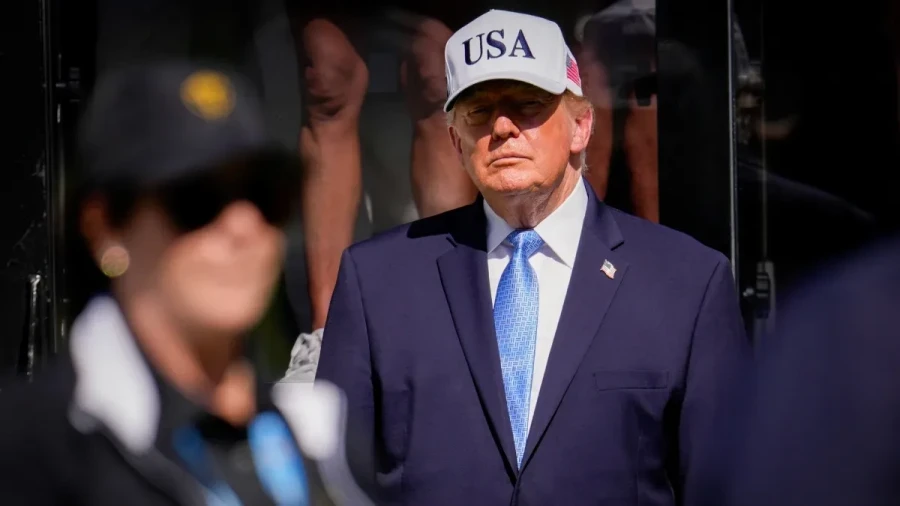
The advertisement in question is a 30 second video that features Donald Trump walking through a corridor. As he moves through the hallway, his voice can be heard in the background delivering a specific and pointed message. In this narration, he speaks about a struggle or a fight against groups he identifies as globalists and warmongers. The visual and auditory elements of the ad are designed to convey a strong message of leadership and conflict against these specific entities, which were also central themes in his previous political campaigns.
At the very end of this 30 second clip, a specific disclaimer appears on the screen to inform the viewers about the source of the funding. It states, Paid for by the US Government. This line confirms that the financial burden of producing and airing this advertisement has been borne by the American government rather than a private political campaign committee or a political action group.
Financial Expenditure and Tracking
According to data provided by AdImpact, a company that specializes in tracking advertisement spending and media analytics, a substantial amount of money has already been dedicated to this specific campaign, while the figures show that approximately 319000 dollars have been spent on airing this advertisement so far. This expenditure of over 3 lakh 19 thousand dollars has become a focal point for critics who argue that these funds could be used for other essential public services instead of promoting the president's personal political rhetoric.
Striking Similarities to Campaign Material
Observers and political analysts have noted that this new government funded advertisement bears a striking resemblance to the promotional material used during Trump's 2024 election campaign. During that period, the campaign ads featured similar visual styles and themes where an appeal was made to the public to join Trump in his fight for America. The visual style, the tone of the messaging, and the core themes appear to be almost identical to the political ads seen previously, leading to accusations that the government is Basically subsidizing campaign style messaging.
A Broader Series of Advertisements
This isn't an isolated incident or a single advertisement being shown to the public. The Trump administration has been running a series of different television advertisements in recent days across various platforms, while one such advertisement features nighttime footage of Mount Rushmore, a significant national monument. This particular video includes excerpts from a speech delivered by Trump on the occasion of July 4. The use of national monuments and patriotic holidays is a recurring theme in these government funded broadcasts.
Another advertisement in the series focuses on specific policy issues and domestic agendas. It includes statements from Trump regarding tax cuts, the importance of manufacturing more goods within the United States, and the protection of the police and the maintenance of law and order. These topics are central to his political platform and were key pillars of his campaign, which is why their inclusion in government funded ads has sparked such intense debate among lawmakers and the public.
The White House Defense
The White House has come forward to defend the use of these advertisements and the expenditure of public funds. Officials state that these broadcasts should be classified as Public Service Announcements rather than election or campaign advertisements. The White House argues that Donald Trump isn't currently a candidate in any active election, which they believe justifies the use of these materials. Plus, they point out that the advertisements don't explicitly ask people to vote for him or to join a specific political campaign or organization.
According to the administration's perspective, these ads serve a legitimate purpose to inform the public about government policies and the president's vision for the country's future. They maintain that as long as there is no direct call to action for voting or fundraising, the ads remain within the legal and ethical boundaries of government communication. They view these as a way to communicate the administration's priorities directly to the American people.
Arguments from Critics and Historical Context
Critics of the move remain unconvinced by the White House's explanation and have raised several objections. They argue that using government money to showcase the president and his specific political messages on television is inappropriate and blurs the line between official government business and political campaigning. Lawmakers have expressed concern that this sets a dangerous precedent where taxpayer money can be used to boost a political figure's image under the guise of public service, especially when the content is so similar to past campaign ads.
In response to these criticisms, the White House has cited examples from previous administrations to show that this isn't a new practice. They've pointed to the practices of the administrations of former President George W. Bush and President Joe Biden. According to the White House, previous governments have also utilized television advertisements to promote government programs, specific policies, and national initiatives. By citing these examples, the current administration seeks to demonstrate that their actions are consistent with long standing practices in American governance where the executive branch communicates its agenda to the citizens through paid media channels.