
- India,
- 13-Jun-2026 08:33 AM IST



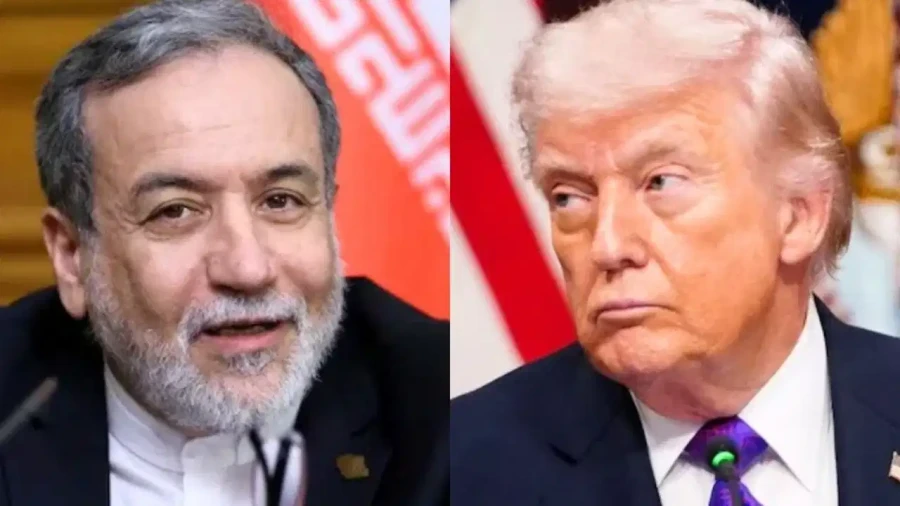
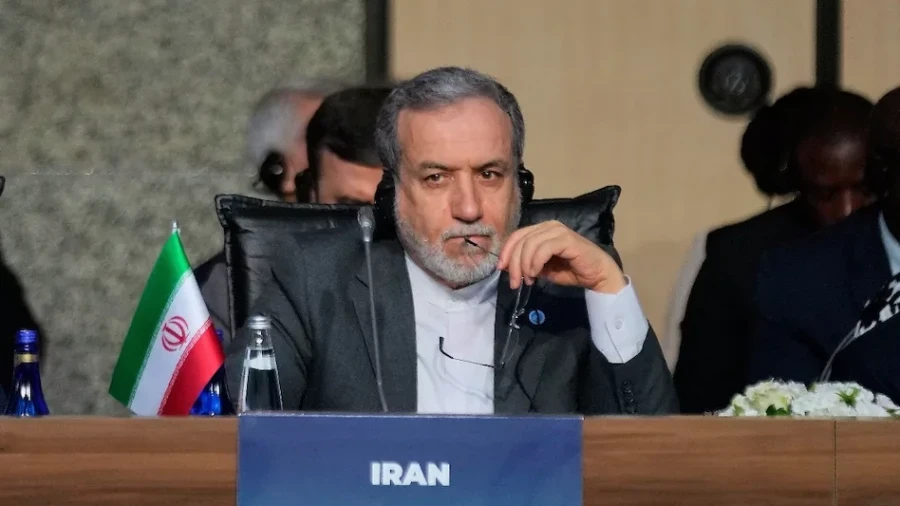
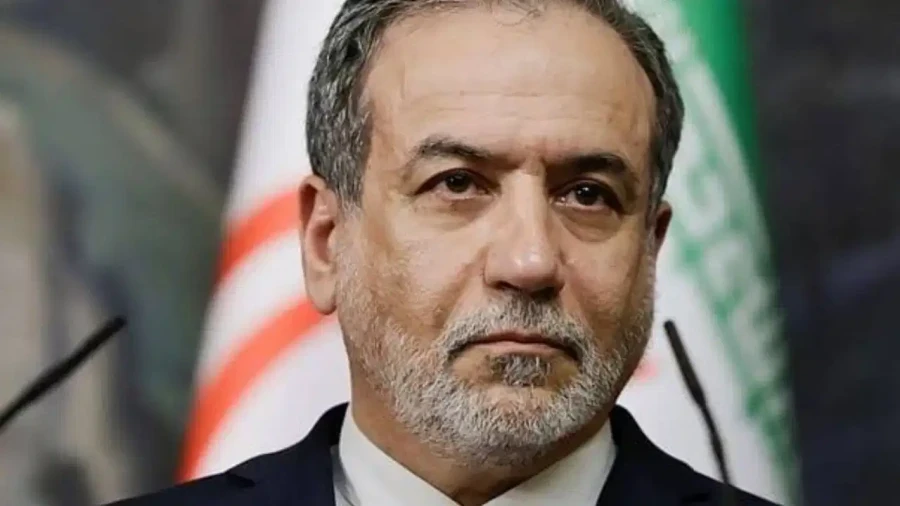
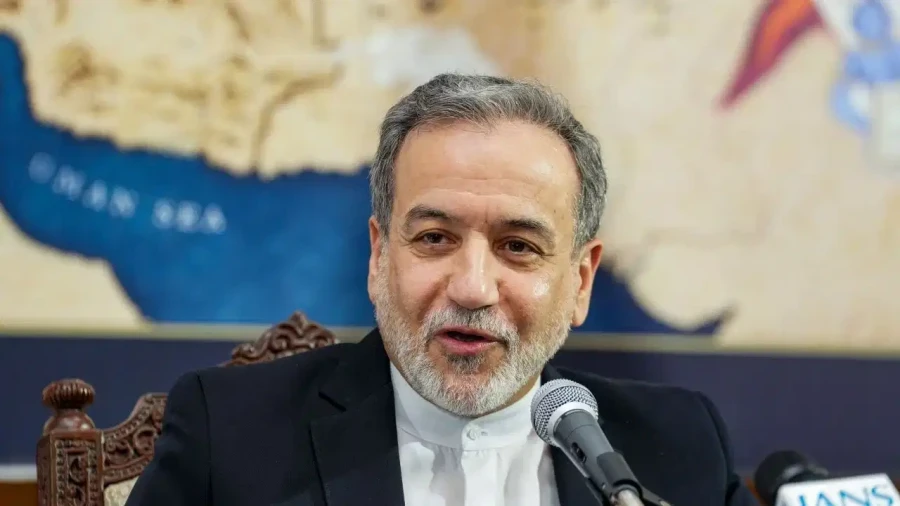
The long-standing tensions between the United States and Iran appear to be heading toward a significant de-escalation as both nations approach a final agreement to end their conflict. Iranian Foreign Minister Sayyid Abbas Araghchi, in a recent interaction with state television, confirmed that substantial progress has been made in negotiations with the US. This potential breakthrough marks a pivotal moment in Middle Eastern geopolitics, with the proposed deal focusing on the restoration of maritime stability and a structured path toward addressing nuclear concerns.
Key Components of the Proposed Agreement
According to Foreign Minister Araghchi, the core of the proposed agreement involves the reopening of the Strait of Hormuz, a critical global oil transit point that has been a flashpoint for recent tensions. On top of that, the deal includes the lifting of the US naval blockade against Iran. These measures are seen as essential first steps to normalize regional trade and reduce the immediate threat of military confrontation. However, Araghchi clarified that while these immediate maritime issues are being addressed, detailed discussions regarding Iran's nuclear program are slated for a later stage.
Trump's Stance and the 14 Point Report
US President Donald Trump has also signaled a shift in the situation, stating that he had cancelled planned new strikes on Iran due to the significant progress achieved in the talks. Trump expressed optimism that a formal agreement could be signed soon. While Iranian media recently circulated reports of a 14 point agreement, President Trump dismissed these specific reports as inaccurate, asserting that those reported conditions don't reflect the actual terms of the ongoing negotiations. Despite this discrepancy, the overall sentiment from the White House remains positive regarding the trajectory of the peace process.
Mediation by Pakistan and Qatar
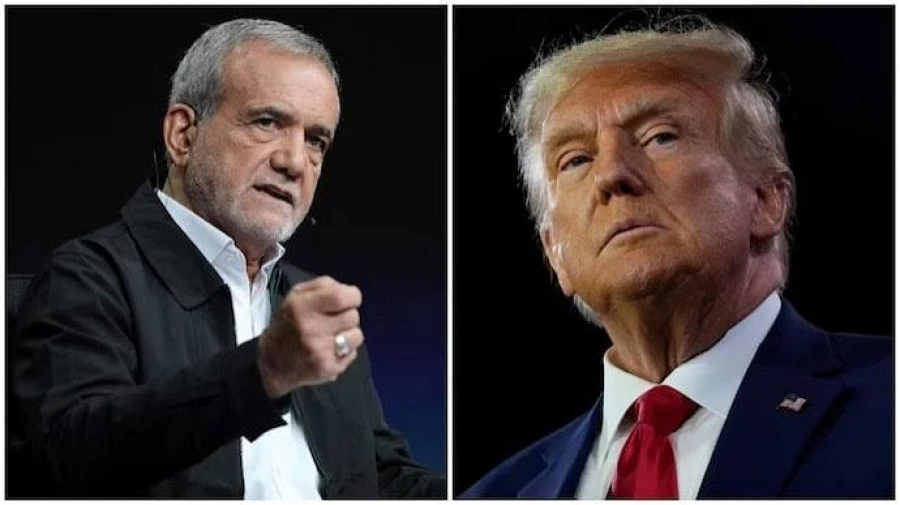
The diplomatic efforts have been heavily supported by Pakistan and Qatar, who are acting as key mediators in the dialogue. Pakistan's Prime Minister Shehbaz Sharif confirmed that a Memorandum of Understanding (MOU) has been reached between the US and Iran, and the process is now awaiting final approvals from the respective leaderships. If the deal receives the green light, the signing ceremony is expected to take place online, reflecting the modern diplomatic approach being taken to finalize this high-stakes arrangement.
Internal Deliberations in Iran
Despite the progress, the path to a final signature faces internal hurdles within Iran. Foreign Minister Araghchi noted that the Supreme National Security Council of Iran is currently divided on the matter. While some members are in favor of the deal, others remain opposed, leading to a lack of a final consensus at this moment. The decision now rests with the highest levels of the Iranian leadership to determine whether to proceed with the agreement.
The 60 Day Nuclear Roadmap and Sanctions
US officials have outlined a specific timeline following the initial implementation of the deal. Once the Strait of Hormuz is reopened and the naval blockade is lifted, a 60 day period of intensive negotiations regarding Iran's nuclear program will commence. During this window, plans will be developed to destroy or relocate Iran's stockpiles of enriched uranium outside the country. Crucially, the US has maintained that no upfront financial relief or release of frozen assets will be granted. Instead, sanctions relief will be implemented step by step, directly tied to Iran's fulfillment of specific conditions. This action-for-action approach ensures that economic benefits are only realized upon verified compliance.
Regional Security and Hezbollah
A significant condition of the agreement involves Iran's regional influence. The deal stipulates that Iran must cease its support for Hezbollah and other allied armed groups in the region. US officials emphasize that the agreement isn't based on trust alone but on verifiable actions and rigorous inspections. While the US, Iran, Pakistan, and Qatar all appear optimistic, the world watches closely as the final approvals remain the last major obstacle to this historic peace deal.