
- India,
- 17-Jun-2026 02:42 PM IST



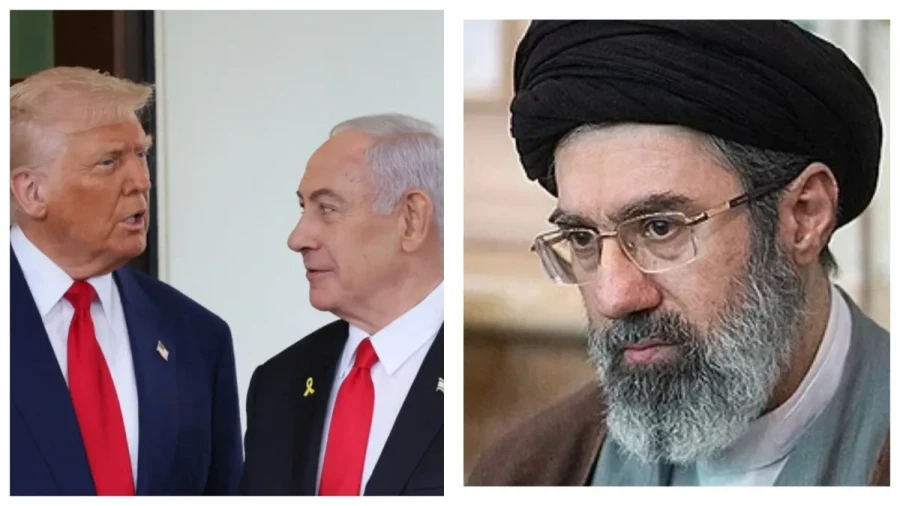
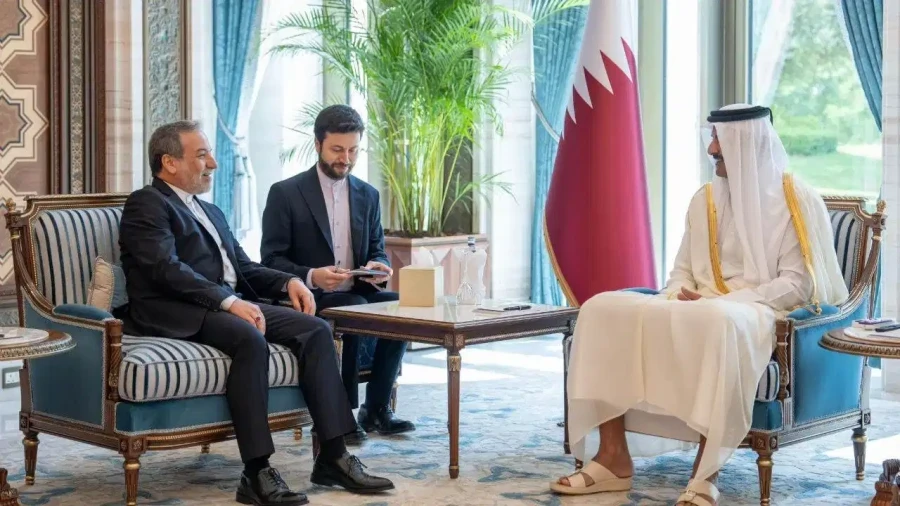
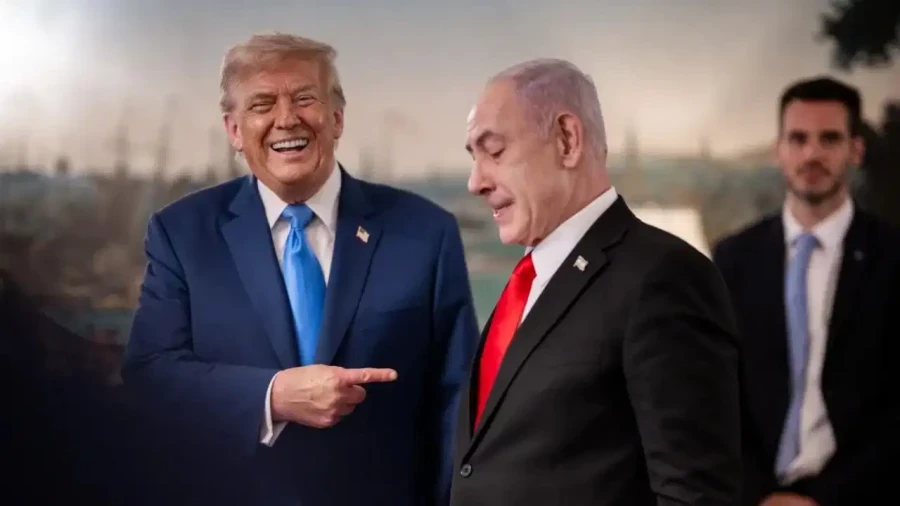
The conflict between the United States and Iran has reached a significant turning point as both nations prepare to officially ratify a peace proposal in Geneva. This potential agreement marks a major development for global stability, effectively signaling the end of a war that has caused heavy losses on both sides. While both nations are claiming victory in their own right, the world is closely watching the upcoming formal signing ceremony scheduled for June 19 in Geneva. Observers who have been monitoring the crucial deal-to-do-a-deal reached on Monday describe the current situation as a marriage ceremony where the rituals have been performed, but the ring is yet to be seen.
Key Components of the US-Iran Agreement
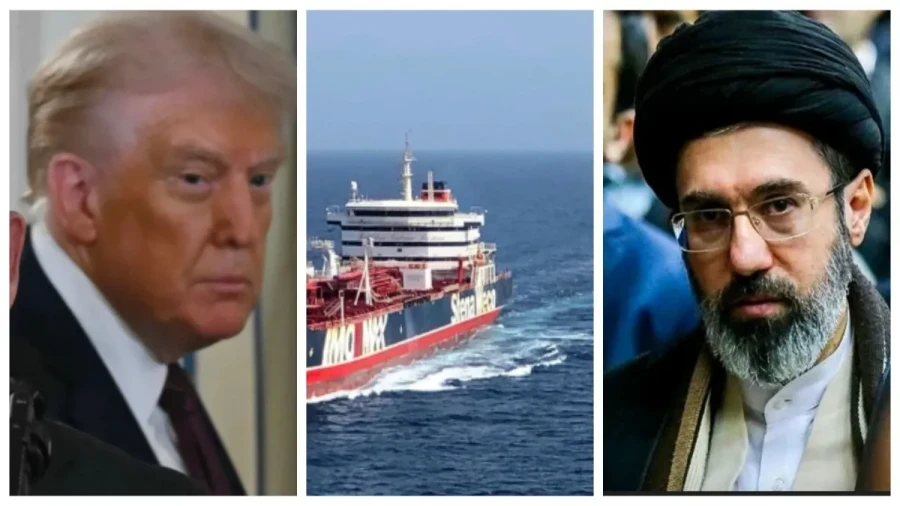
While the full text of the agreement has not been officially released by either Washington or Tehran, reports from American and Saudi media have shed light on the 14-point memorandum. The agreement reportedly calls for an immediate and permanent end to the war on all fronts, including Lebanon. Both parties have pledged to refrain from any aggressive actions against each other moving forward. As part of the deal, the United States has committed to lifting the naval blockade on Iranian ports and has promised to withdraw its forces from the surrounding areas within 30 days of the final agreement. In return, Iran will take immediate steps to allow movement through the Strait of Hormuz, a critical maritime passage for global energy supplies.
Economic Reconstruction and Sanctions Relief
A major highlight of the peace proposal is the commitment from the United States and its regional allies to create a comprehensive plan for Iran's rehabilitation and economic development. This plan includes ensuring funding of at least 300 billion dollars. Also, the US has promised to eliminate all types of sanctions imposed on Iran, including those mandated by the UN Security Council, according to a schedule to be determined under the final agreement. To facilitate this transition, the US will provide waivers for Iranian oil exports until the date the sanctions are officially lifted. Also, Washington has promised to release Iran's frozen funds and assets based on the progress of negotiations toward the final settlement.
Nuclear Commitments and Strategic Concerns
On the nuclear front, Iran has reiterated its stance that it will never manufacture nuclear weapons, while decisions regarding Iran's enriched material and other related issues are expected to be finalized in the ultimate agreement. According to Iran's Mehr News Agency, the draft agreement provides a 60-day window for both sides to reach a final consensus on Iran's nuclear program and its stockpile of 440 kilograms (970 pounds) of highly enriched uranium. During this period, it's reported that 24 billion dollars of Iran's frozen assets will be released, although the US has not yet confirmed these specific details. Despite these diplomatic strides, concerns persist regarding Iran's capability to disrupt global energy supplies through the Strait of Hormuz.
The Signing Process and Leadership Involvement
The official signing of the US-Iran Memorandum of Understanding (MoU) is scheduled to take place this Friday at the Bürgenstock Resort near Lucerne, Switzerland. According to US officials, President Trump, Vice President Vance, and the Speaker of the Iranian Parliament, Mohammad Bagheri Ghalibaf, have already signed the deal electronically. Vice President Vance is expected to sign the physical document on behalf of the US, while Ghalibaf will represent Iran. Vance has stated that if Iran demonstrates correct behavior by not making nuclear weapons, keeping the Strait of Hormuz open, and stopping the funding of armed groups, it could see real benefits under the Washington-Tehran agreement.
Assessing the Outcome of the Conflict
The peace agreement follows more than 100 days of intense fighting, which began on February 28 with US and Israeli strikes on Tehran. This conflict has sparked a debate over the demonstration of American power. While the US and Israel maintained a significant military advantage through advanced aircraft, precision weaponry, and intelligence networks, Iran has emerged with a strategic benefit from that can't be ignored. A US intelligence assessment, as reported by CNN, concluded that Iran now possesses the capability to block or disrupt the Strait of Hormuz at will. This has become Iran's most powerful bargaining chip. While Iran's Foreign Ministry spokesperson, Esmaeil Baghaei, stated that the country doesn't intend to impose transit tolls, it will charge fees for maritime services, including navigation, environmental protection, and ship insurance.