
- India,
- 17-Jun-2026 11:55 AM IST



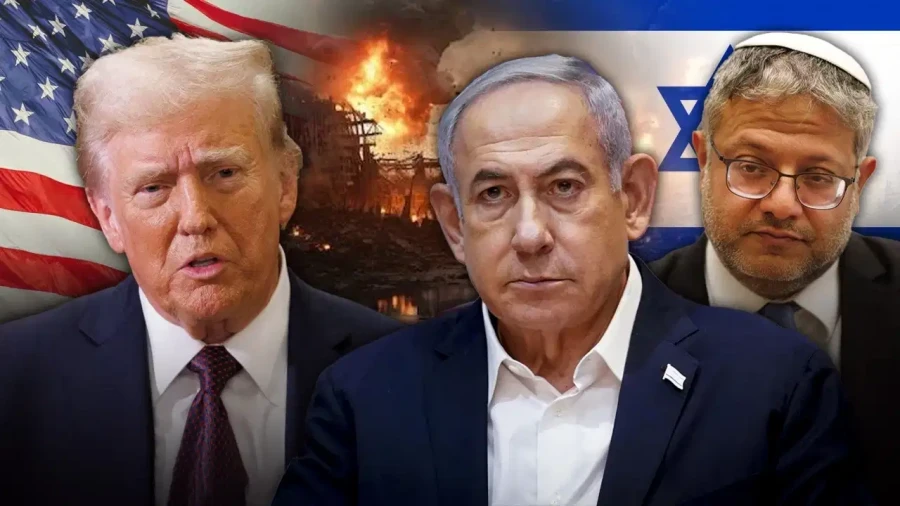
The political landscape for Israeli Prime Minister Benjamin Netanyahu has taken a sharp downturn as the United States delivered four significant diplomatic blows within a mere 48-hour window. This series of setbacks comes at a critical juncture, raising questions about the future of the long-standing alliance between the two nations. The exclusion of Israel from key negotiations and the public criticism from American leadership have signaled a potential shift in Washington's Middle East policy, leaving the Netanyahu administration in a vulnerable position.
Exclusion from the Iran Agreement
The first major blow came when the United States excluded Israel from the ongoing Iran agreement negotiations. Israel had explicitly requested that the deal include strict conditions regarding the manufacturing of long-range missiles by Iran. Also, Netanyahu's administration sought to benefit from the deal to bring more Gulf nations into the Abraham Accords. However, the US proceeded without incorporating these demands, leaving Israel sidelined in a matter it considers vital to its national security. Reports indicate that Israel has not even been informed about the specific terms and conditions of the agreement being finalized.
Strategic Disrespect and Trump's Remarks
The second shock involves a direct refusal by the US to share information. Israel requested a copy of the Memorandum of Understanding (MOU) that's to be signed regarding the deal, but the United States denied this request. Adding to the tension, President Donald Trump made public statements on Tuesday, 16 June, suggesting that Israel is a weak nation. Trump claimed that without his support, Israel would have been ruined. He went as far as to compare Israel unfavorably to Syria, stating that Syria is better equipped to fight against Hezbollah than Israel is. These remarks, made in Paris, have deeply impacted the diplomatic standing of the Netanyahu government.
Denied Access to the White House
The third setback was highlighted by the American media outlet CNN on Tuesday, 16 June. According to their report, Prime Minister Benjamin Netanyahu has been seeking a meeting with President Donald Trump, but the White House has yet to grant him an appointment. It has been suggested that a meeting might only be considered after the deal is concluded, effectively keeping Netanyahu at arm's length during the most critical phase of the negotiations. This lack of access is particularly significant given that Netanyahu has historically relied on his close relationship with the US presidency to bolster his domestic political standing.
Visa Denial for Defense Minister
The fourth blow involves a personal diplomatic snub to a high-ranking official. According to a report by Haaretz, the United States has denied a visa to Israel's Defense Minister, Ben Gvir. The minister had intended to travel to Miami, but his request for a special visa wasn't granted easily. This move is seen as a major shock to the Israeli establishment, as it's rare for a sitting Defense Minister of a close ally to face such travel restrictions from the US government.
The Context of Political Isolation
These developments are particularly concerning for Netanyahu as the next prime ministerial election in Israel is proposed for October 2026. Until now, Netanyahu had been counting on American support to secure a victory, but he now finds himself increasingly sidelined. The shift in the US stance can be attributed to several factors. While the US and Israel were initially aligned at the start of the Iran conflict, the US chose a different path during the negotiation phase. This was partly due to the influence of Gulf nations like Saudi Arabia, UAE, Qatar, and Kuwait, all of whom favored an agreement with Iran. On top of that, the NATO member Turkey also advocated for a diplomatic route.
Broken Promises and Internal Opposition
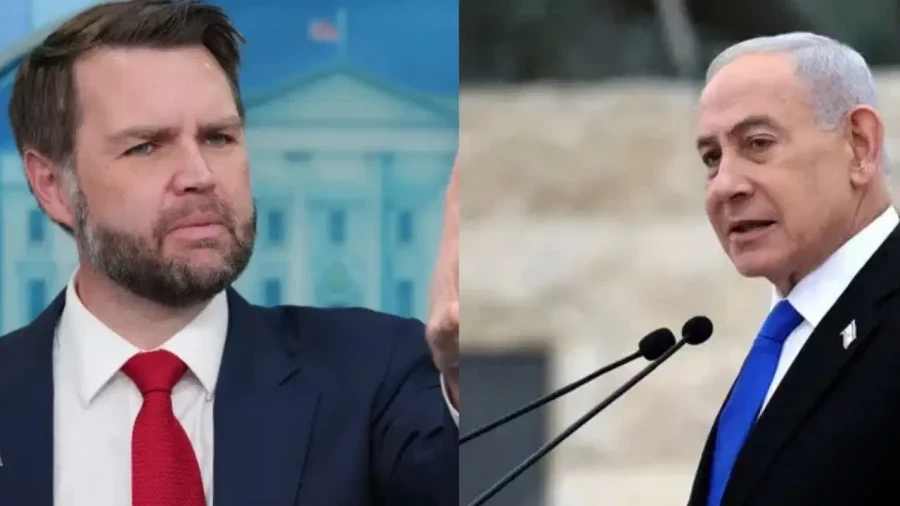
Another reason for the growing rift is a perceived loss of trust. Prime Minister Netanyahu had reportedly assured Trump that the start of the war would lead to a coup within Iran, but this didn't materialize. Consequently, Trump has reportedly lost confidence in Netanyahu's assessments. Also, high-ranking US officials, including Vice President JD Vance, are reportedly opposed to Israel's current stance. This combination of failed intelligence, shifting regional alliances, and internal opposition within the US administration has left Benjamin Netanyahu facing one of the most challenging periods of his political career.