
- India,
- 15-Aug-2026 08:23 AM IST



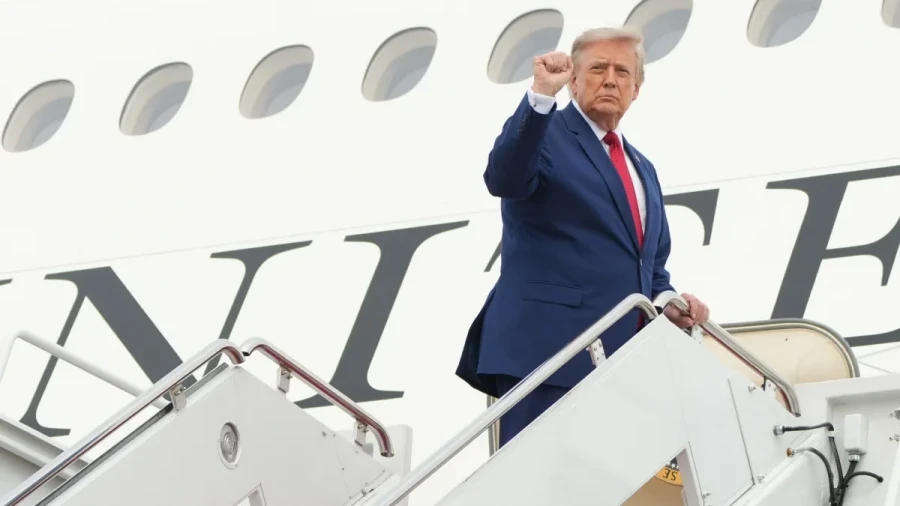
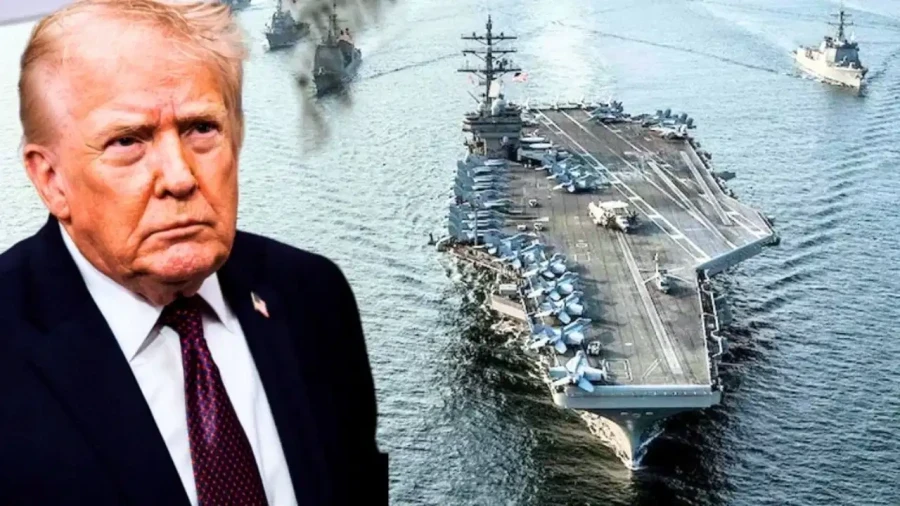
The geopolitical landscape in the Middle East is witnessing a significant shift as the United States prepares for a major naval transition in the Arabian Sea. After nine months of intensive patrolling and navigating through volatile maritime environments, the USS Abraham Lincoln is set to return from its station. This move isn't merely a routine vessel rotation; it signifies a deeper struggle within the American strategic framework regarding the ongoing blockade of Iran. Despite the image of an invincible military power, Washington appears to be grappling with the complexities of a prolonged standoff that's testing the limits of its naval resources and personnel endurance, while president Donald Trump is reportedly aware that maintaining a long term blockade of Iran is a task beyond the unilateral capabilities of the United States, leading to the development of a new collaborative program with Arab allies.
The Crisis Aboard USS Abraham Lincoln
The USS Abraham Lincoln has been at sea for 260 days, a grueling deployment that has highlighted the logistical and psychological toll of extended maritime operations. Reports indicate that the aircraft carrier went approximately 200 days without a single port call. Standard naval protocols typically necessitate a port visit every 30 to 45 days to ensure the well being of the crew and the maintenance of the vessel. The absence of these breaks led to severe mismanagement issues on board, including shortages of food supplies and critical failures in sanitation systems, specifically toilet facilities. The prolonged deployment took a heavy toll on the sailors and their families, with claims emerging that 6 sailors attempted suicide by jumping into the sea. While CENTCOM has denied these specific suicide attempt claims, stating that one sailor accidentally fell into the water on August 3 and was promptly rescued, the rapid deployment of a replacement vessel suggests a sense of urgency in addressing the conditions on the Lincoln.
USS George Washington Takes the Lead
To fill the void left by the returning carrier, the United States has dispatched the USS George Washington. This Nimitz class aircraft carrier has already cleared the Malacca Strait and is accompanied by 2 destroyers. Its route takes it through the Andaman Sea toward the Arabian Sea, with its final destination being a few kilometers off the Gulf of Oman, where it will relieve the USS Abraham Lincoln. The distance from the Malacca Strait to this location is between 6,150 and 6,650 kilometers, meaning the USS George Washington could take about 7 to 8 days to reach its destination. Like its predecessor, the USS George Washington can carry up to 90 fighter jets. The primary reason for selecting this specific carrier was its proximity to the Arabian Sea, allowing for a swift transition to provide relief to the crew of the Lincoln, which will then head to its home port in San Diego.
Trump Reverses Technological Course
In a move that has sparked debate among military experts, President Trump has ordered the removal of the Electromagnetic Aircraft Launch System known as EMALS from the most modern Ford class aircraft carriers, while he intends to revert to the older steam catapult technology. While nations like China are integrating EMALS into their new carriers and France is planning the same, Trump believes the technology is too complex, expensive, and unreliable, while he argues that the older steam systems are more powerful and can be easily repaired in emergency situations. Experts suggest this decision is driven by the need to control rising military expenditures, seeking cheaper and faster maintenance solutions amidst ongoing conflicts.
Task Force Falcon Strike and Regional Strategy
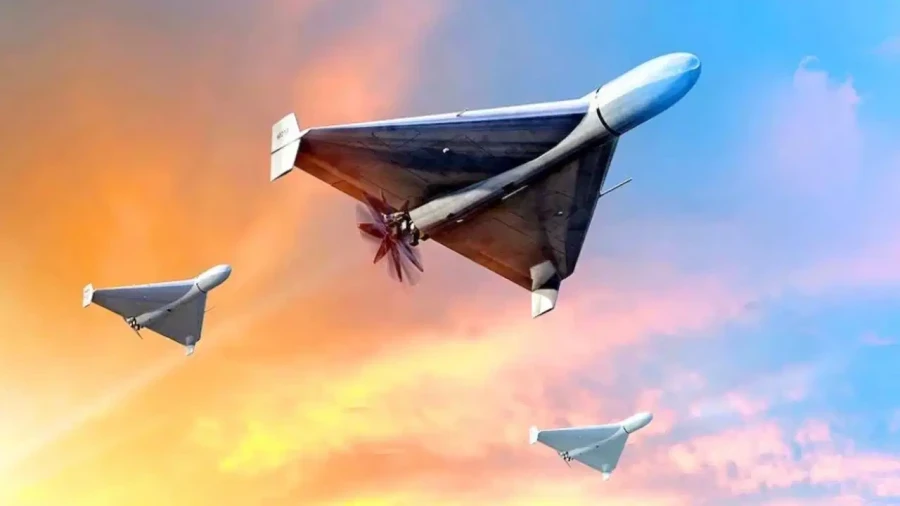
Recognizing the burden of the blockade, the US CENTCOM has announced the formation of a multinational drone task force named Task Force Falcon Strike. This initiative aims to include regional allies such as Saudi Arabia, the UAE, Bahrain, Qatar, Kuwait, and Jordan, while the task force will take advantage of a variety of unmanned systems, including aerial suicide drones, surface naval drones, and underwater drone submarines. The inclusion of FPV drones for dropping small explosives is also planned. This shift toward cheaper drone technology comes after the US lost 45 MQ-9 Reaper drones in the conflict with Iran, representing 25 percent of its Reaper fleet. Meanwhile, internal divisions are appearing in the US strategy, while while Trump's inner circle favors continuing the blockade, CENTCOM Chief Brad Cooper has expressed a desire for direct military action against Iran. Following a meeting with IDF Chief Eyal Zamir, Cooper suggested that there may be no alternative to war, presenting this reality to Trump and Joint Chiefs of Staff Dan Kane. Washington now stands at a crossroads between continuing a costly blockade or entering a direct conflict.