
- India,
- 15-Aug-2026 08:37 AM IST



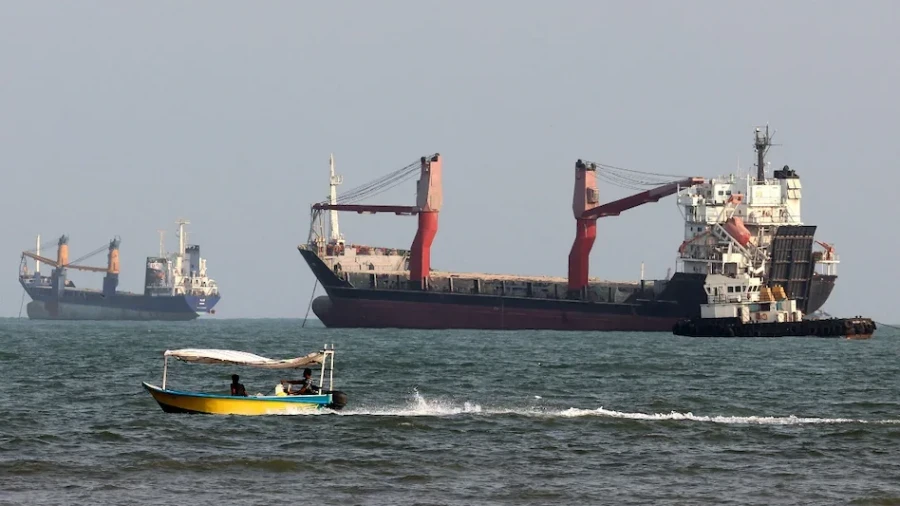
The strategic Strait of Hormuz is witnessing a near-total halt in maritime traffic, raising alarms over global energy security and economic stability, while the situation escalated Importantly after the United Arab Emirates (UAE) accused Iran of attacking two of its vessels within this vital waterway. The Abu Dhabi National Oil Company reported that the incident occurred on Thursday evening, involving two ships passing through the strait. While the UAE government has held Iran responsible for these attacks, there has been no official response from Tehran regarding these specific allegations.
Trump Threatens to Claim Hormuz as US Territory
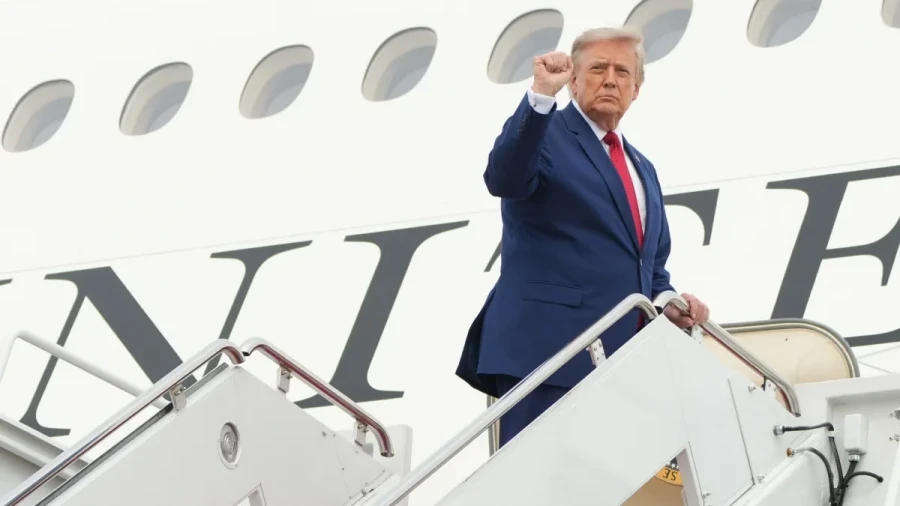
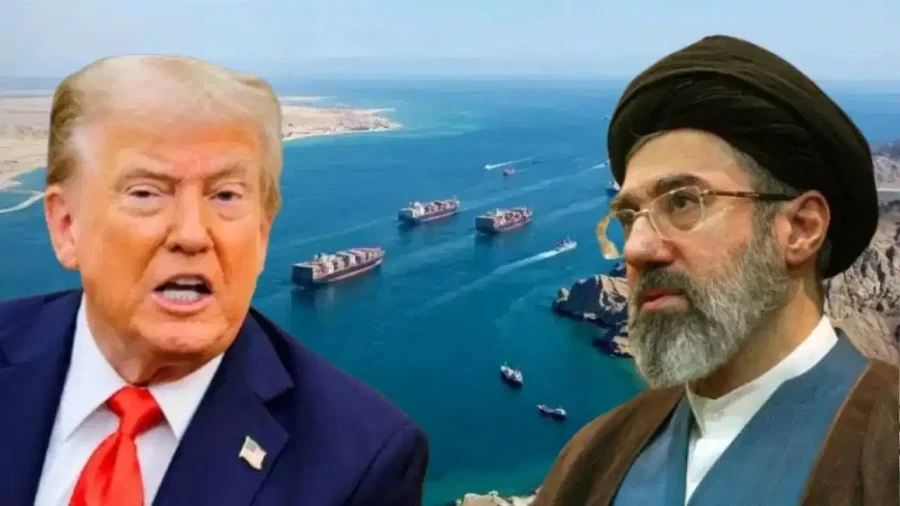
In a move that has further intensified international tensions, US President Donald Trump announced on Friday that he intends to declare the Strait of Hormuz as United States territory, while trump stated that after defeating Iran, he would move to bring this critical maritime passage under American jurisdiction. This declaration targets one of the world's most essential shipping lanes, through which a massive portion of global oil and liquefied natural gas (LNG) is transported. The President's remarks have added a new layer of volatility to the ongoing conflict with Iran, signaling a potential shift in US strategic objectives in the region.
Military Blockade and Economic Sanctions
The United States has signaled its commitment to maintaining a long-term presence in the region. Defense Secretary Pete Hegseth stated that the US military is fully capable of sustaining the naval blockade on Iran indefinitely. According to Hegseth, the US Navy can rotate its vessels to ensure the blockade remains in place for as long as necessary. Simultaneously, Treasury Secretary Scott Bessent revealed that the US is preparing to increase economic pressure on Iran. He announced that new economic sanctions will be unveiled next week, describing them as measures that have never been taken against any country before in terms of economic isolation.
Shipping Traffic Plummets to Record Lows
Data from ship-tracking firm Kpler highlights the dramatic decline in maritime activity. On Friday, only two ships were observed passing through the strait: one grain-carrying vessel entering Iranian waters and one empty vessel traveling in the opposite direction. An empty oil tanker was also seen heading toward the Gulf. Notably, no crude oil tankers were recorded moving through the passage on Friday. This is a sharp decrease from Thursday, when nine ships passed through, and Wednesday, which saw five ships, while these figures are Notably lower than the August average of twelve ships per day and pale in comparison to the pre-war period. Before the conflict initiated by the US and Israel against Iran in February, more than 130 ships traversed the strait daily. Experts note that some ships may be operating with their transponders turned off, meaning the actual numbers could vary slightly, but the overall trend remains one of extreme stagnation.
Iran Counter-Measures and Demands
In response to the US-led pressure, an Iranian parliamentary committee has approved a plan to prohibit ships and equipment from the US, Israel, and other designated enemy nations from using the waterway. Iranian officials have maintained that the strait won't be fully reopened until their conditions are met. These demands include the removal of economic sanctions and the return of seized Iranian assets. The breakdown of a ceasefire agreement reached in June has led to increased hostilities, with Iran reportedly targeting vessels that attempt to pass through the strait without its permission. The US had briefly lifted the blockade for one month in mid-June but reinstated it shortly after, cutting off Iran's primary source of foreign exchange, which was already weakened by attacks on its energy infrastructure during the war.
Global Economic Impact and India Position
The crisis is having a profound impact on global markets and energy dependencies. Brent crude prices were recently hovering around 87 dollars per barrel, while US crude stood at approximately 81 dollars per barrel. For India, the situation has led to a record high dependence on Russian crude oil as of July. Meanwhile, Asian refineries have been securing future supplies by purchasing US crude this week. Domestically, President Trump faces growing pressure to end the unpopular conflict as high fuel prices threaten his popularity and his party's control over Congress ahead of the November midterm elections. Adding to the regional instability, reports emerged on Thursday that Iran-backed Houthi rebels in Yemen targeted a Saudi Aramco refinery with drones, sparking fears of a wider regional war. Global economists have warned that if the conflict doesn't end soon, it could lead to a sharp decline in global economic growth and potentially trigger a recession in several regions.