
- India,
- 31-Jul-2026 08:56 AM IST



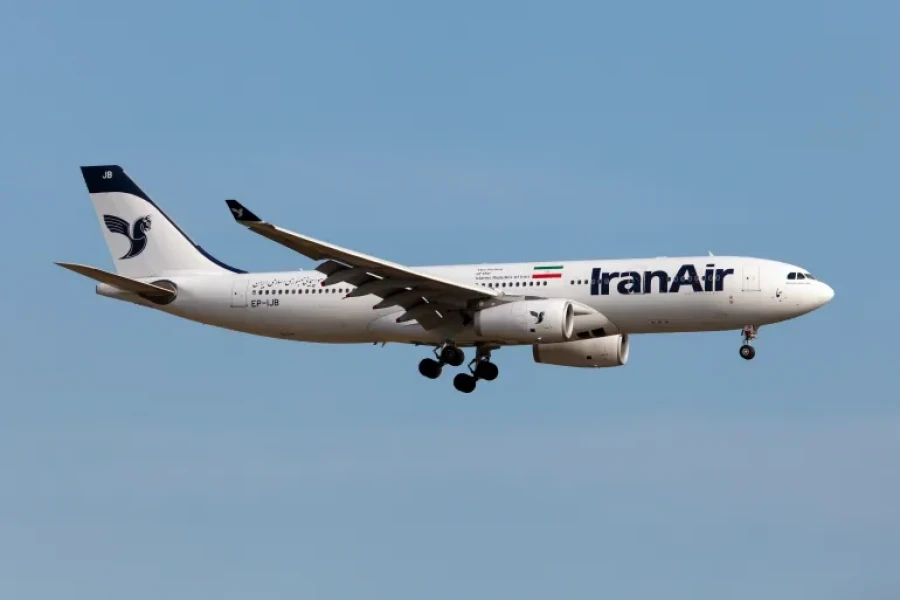
The United States government has intensified its economic pressure on the Iranian regime by announcing a new set of sanctions targeting a network of entities and individuals across multiple nations. On Thursday, Washington officially declared sanctions against six commercial entities and individuals based in India, China, Russia, and Iran, while these parties are accused of providing critical support to Iran's Islamic Revolutionary Guard Corps (IRGC) and its preferred carrier, Mahan Air. This move is part of a broader strategy to dismantle the financial and logistical infrastructure that supports Iran's military and intelligence operations abroad.
The Role of Mahan Air in IRGC Operations
S. government, Mahan Air has long functioned as a primary transport mechanism for the IRGC-Quds Force. The airline isn't viewed merely as a commercial entity but as a strategic asset used for the clandestine movement of weapons, military hardware, and specialized personnel. S. aims to disrupt the supply chains that allow the IRGC to project power and conduct operations in various conflict zones. The sanctions highlight the international nature of the support network that Mahan Air relies upon to maintain its fleet and operational readiness.
Intelligence Gathering and Targeting Accusations
Among the sanctioned entities is an organization closely linked to the IRGC, which faces particularly serious allegations, while this entity is accused of collecting sensitive intelligence regarding the locations of American and Israeli military hardware. S. claims that this organization has played a direct role in helping the Iranian military identify and set targets during ongoing regional conflicts. S, while treasury.
Statements from the U.S. Treasury
S. Treasury Secretary Scott Bessent issued a stern warning regarding the consequences of supporting Iranian military interests. He stated that any individual or organization providing commercial, logistical, or financial support to the IRGC or Mahan Air is effectively helping to sustain a terrorist organization. Bessent emphasized that the United States is committed to gradually increasing economic pressure on Tehran to curb its destabilizing activities. This latest action follows a series of measures taken earlier in the week, including sanctions on 8 oil tankers and 10 corporate entities, reflecting a comprehensive approach to isolating the Iranian regime's financial resources.
The Hormuz Safe Program and Maritime Extortion
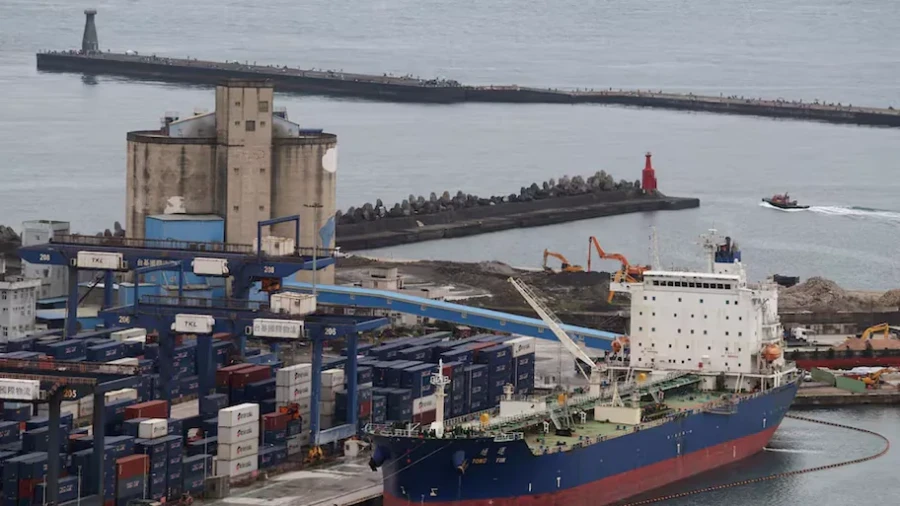
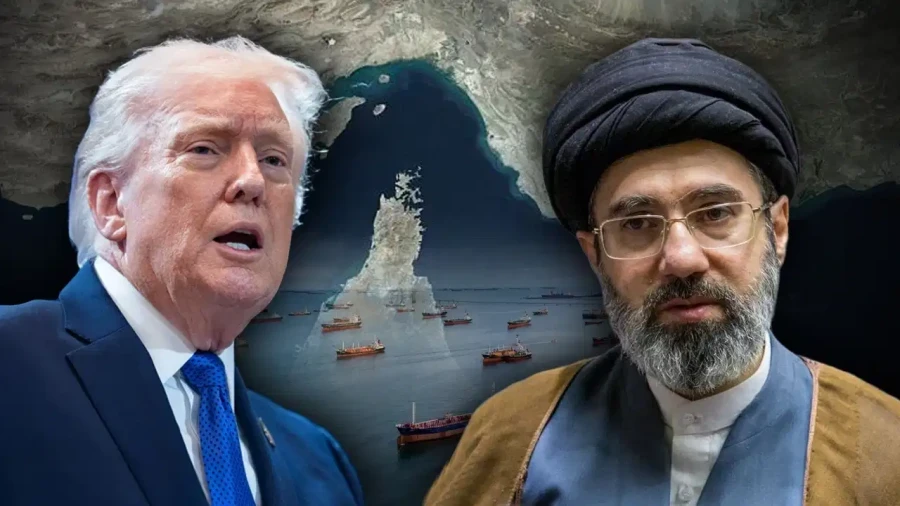
S. Treasury also shed light on a sophisticated extortion scheme known as the Hormuz Safe Program. Information released by the Treasury indicates that several of the targeted companies were involved in this program, which was operated by the IRGC, while under this scheme, commercial vessels navigating through the Strait of Hormuz were forced to purchase mandatory maritime insurance. This system was initiated by Iran's primary insurance regulator to cover risks that were largely created by the Islamic Republic itself, such as attacks on shipping vessels. The revenue generated from these forced insurance premiums was reportedly used to fund various government operations and military activities.
Scale of Recent Sanctions
The Office of Foreign Assets Control (OFAC) provided further details on the scale of these enforcement actions, while the six commercial companies added to the list on Wednesday were headquartered in China, highlighting the international reach of the IRGC's support network. The Treasury also noted that since the beginning of January, OFAC has added more than 100 maritime vessels to its sanctions list. S. effort to monitor and block the maritime and aviation channels used by Iran to bypass international restrictions and fund its military apparatus.