
- India,
- 29-May-2026 07:17 PM IST



Indian Railways is making every possible effort to advance its technology across various sectors, while these efforts aren't limited to a single area but span across all domains related to the railway network. Whether it's electrified railway tracks or green corridors, Indian Railways is operating suitable trains for every type of track. A prime example of this modernization is the recently introduced country's first hydrogen train. This modernization of trains is beneficial for the country, the railways, the environment, and the passengers alike. Before the operation of the hydrogen train, Indian Railways has been successfully operating the Vande Bharat train across the country. It's noteworthy that with the green signal for the operation of the hydrogen train by the railways, the path for its movement has been cleared. These days, many benefits of the hydrogen train are being highlighted, but it's essential to understand how different this train is from the Vande Bharat train in terms of speed, cost, and design.
Understanding the Hydrogen Train Technology
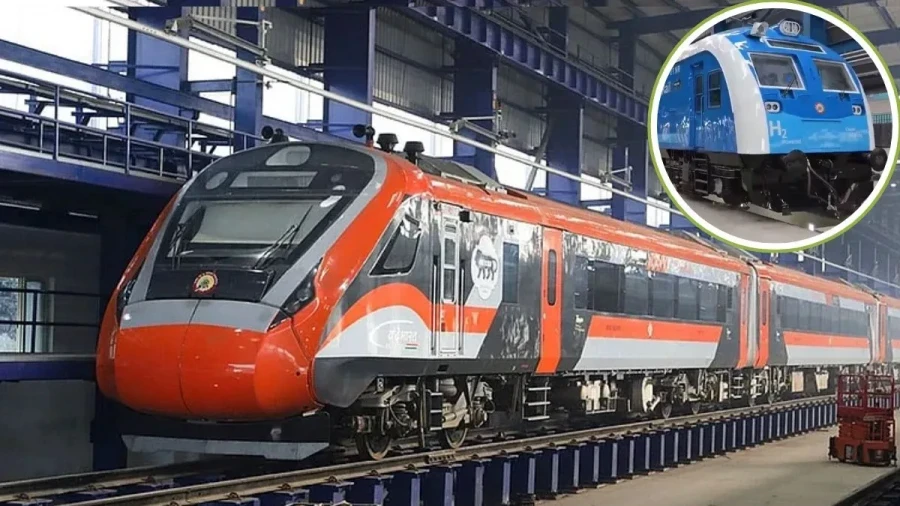
A hydrogen train is a special type of train powered by fuel cells. These fuel cells convert hydrogen into electricity, which then provides power to the train's motor. The most significant feature of the hydrogen train is that it doesn't produce any smoke or pollution; instead, it only emits water vapor, while this is the world's longest 10 coach hydrogen train-set on a broad gauge platform and is also the most powerful with a capacity of 2400 kW. It's important to note that the hydrogen train is currently undergoing trials and isn't yet fully commercial. The technology represents a major step towards zero-emission rail travel, utilizing clean energy to move heavy passenger loads without the need for overhead electric lines.
The Success of Vande Bharat Express
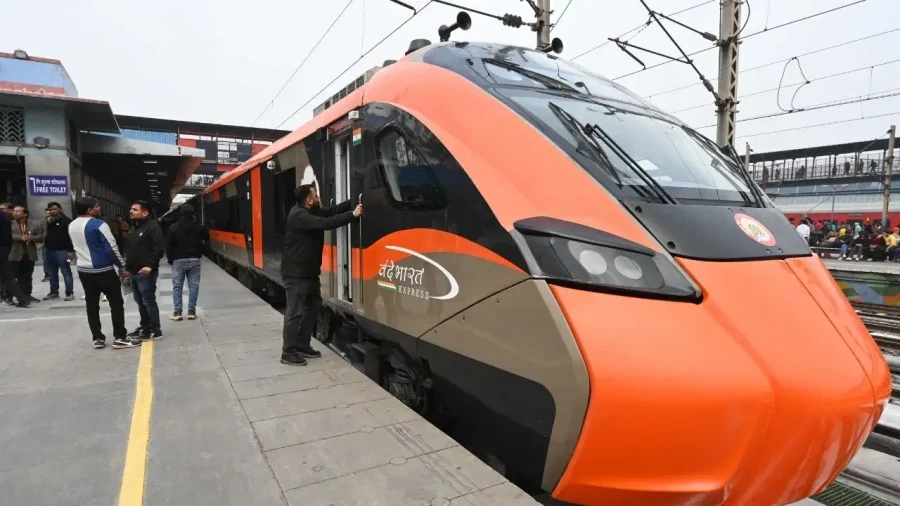
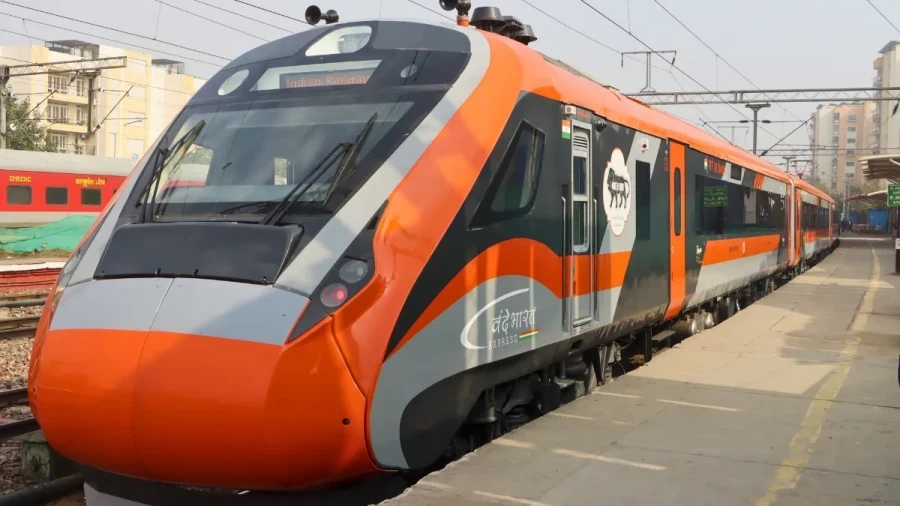
The Vande Bharat train is the country's first indigenous semi-high speed train. It's a complete Electric Multiple Unit (EMU). Equipped with modern design, a push-pull system, better acceleration, AC coaches, WiFi, an infotainment system, automatic doors, and luggage racks, this train has revolutionized passenger comfort. Starting from the Delhi-Varanasi route in 2019, this train is now running on many important routes across the country. It's considered a major success of the Make in India initiative. The Vande Bharat has set new standards for speed and luxury in Indian rail travel, providing a world-class experience to domestic commuters.
Key Differences: Vande Bharat vs Hydrogen Train
While the coaches for both the Vande Bharat train and the hydrogen train are manufactured at ICF Chennai, they're quite different from each other in terms of technology, use cases, and performance. On one hand, the Vande Bharat train is an Electrical Multiple Unit (EMU), while on the other hand, the hydrogen train has been developed by retrofitting a Diesel Electric Multiple Unit (DEMU). The differences between these two trains can be easily understood based on several factors.
Comparison of Speed and Cost
In terms of speed, the Vande Bharat train operates between 160 and 180 km/h. In contrast, the hydrogen train has a speed range of 75 to 140 km/h. Regarding the cost, the second generation of the Vande Bharat train costs approximately 115 crore rupees. Since the hydrogen train is currently a pilot project, a direct cost comparison is difficult at this stage. The design of the Vande Bharat features a modern EMU design with a stainless steel chassis and lightweight construction. The hydrogen train is based on a retrofitted DEMU base, featuring two power cars, each with a 1200 kW fuel cell, totaling 2400 kW, and consists of 8 to 10 coaches.
Route Types and Environmental Impact
The Vande Bharat train is designed for electrified mainlines and is already operational on hundreds of commercial routes. The hydrogen train, under its pilot project, is planned only for the Jind-Haryana route, with future plans for 35 such trains. In terms of emissions, the Vande Bharat is electric, while the hydrogen train emits only water. When considering which one is best, it's noted that the Vande Bharat train is currently running on many routes and meets all passenger standards, while the hydrogen train is still in the trial phase. That's why, until the hydrogen train becomes fully commercial, it's difficult to choose the best between the two. Although the lifetime cost of hydrogen is currently high, it may become better in the future as green hydrogen becomes cheaper. The design of the hydrogen train is considered best for the environment and for special routes with low traffic.