
- India,
- 20-Oct-2026 08:34 AM IST



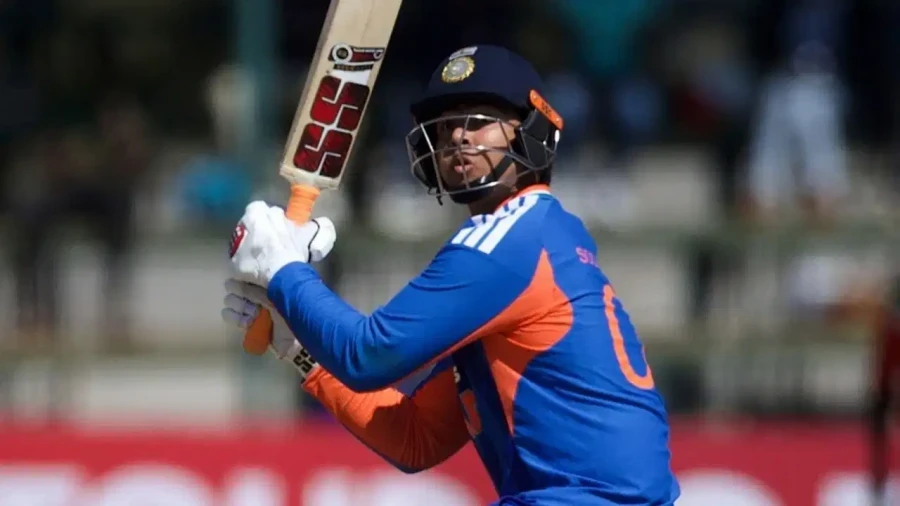
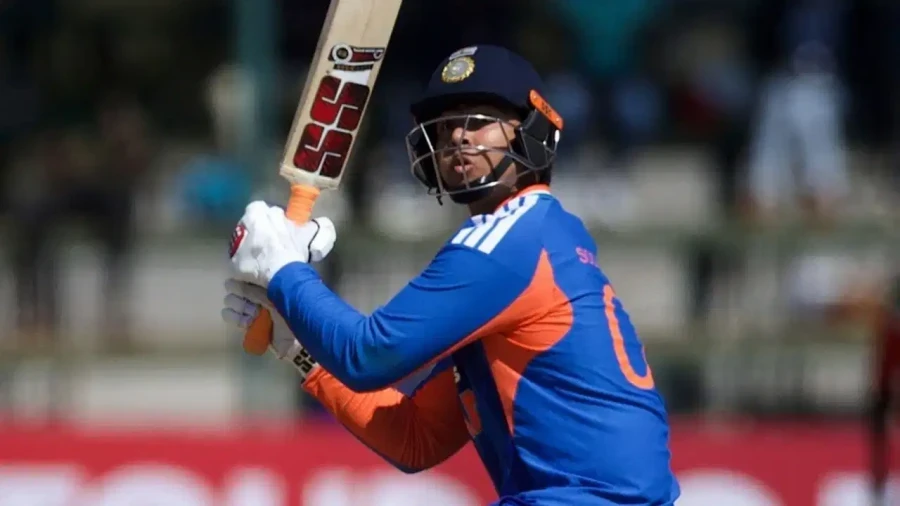
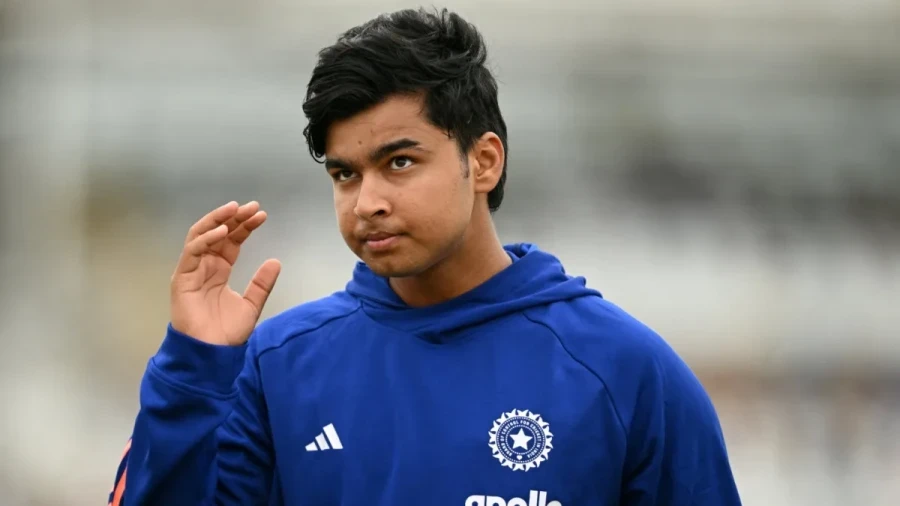
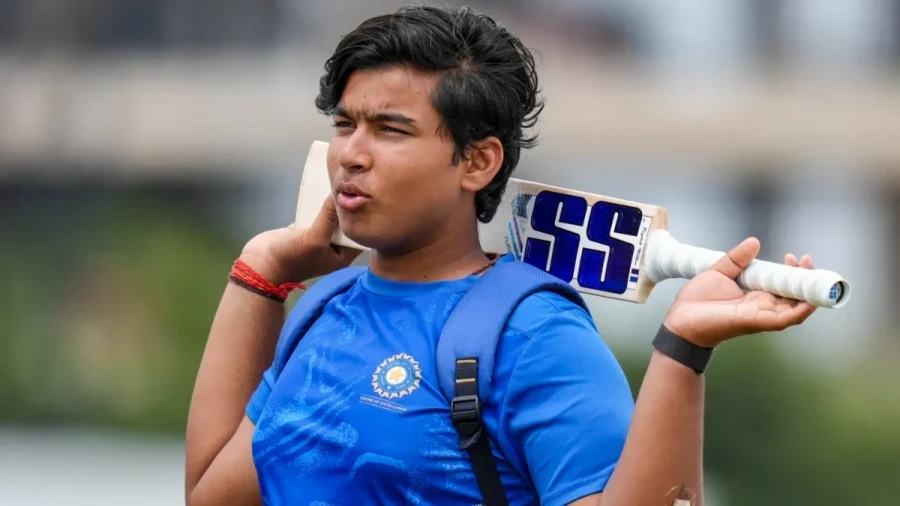
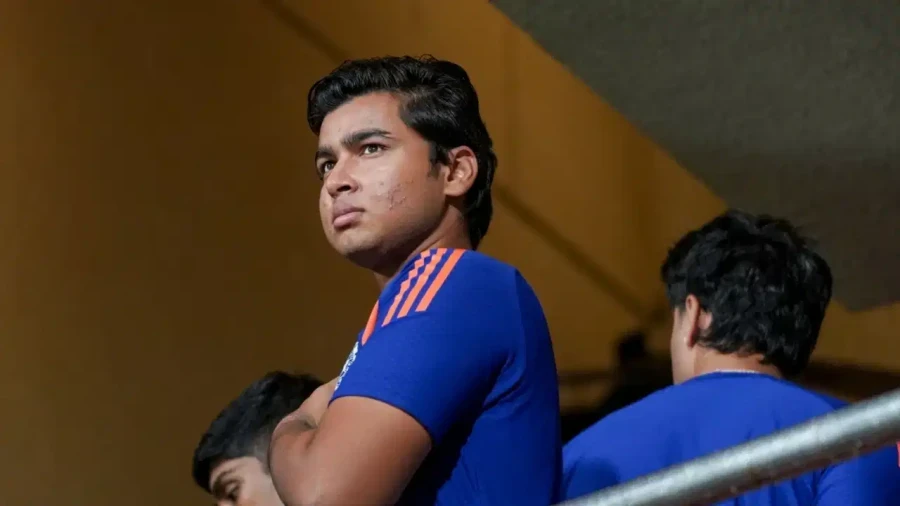
The name of young batsman Vaibhav Suryavanshi has been creating massive waves in Indian cricket recently. Having missed out on a spot in the playing eleven during the five-match T20 series against West Indies, questions are now being raised about whether a similar scenario will unfold during the upcoming tour of New Zealand and if he will be forced to warm the bench once again. The fifteen-year-old young and talented cricketer has not yet been given the opportunity to make his official debut for India on home soil. Despite being selected in the squad during the tour of Zimbabwe, he was made to sit on the bench throughout the entire duration of the series against both Afghanistan and West Indies. Several fans across various social media platforms have been openly expressing their strong displeasure with this ongoing decision made by the team management, while during every single domestic match, eager spectators arrive at the stadiums holding onto the faint hope that perhaps today might be the day Vaibhav gets his long-awaited break, but that has not materialized yet.
Experienced players and members of the team management, including Gautam गंभीर and Shreyas Iyer, have explicitly communicated to Vaibhav Suryavanshi that he will need to exercise patience and wait for his rightful opportunity, while following his phenomenal and electrifying performances in the Indian Premier League, Vaibhav Suryavanshi has emerged as one of the most promising young talents in the country. He even gave a solid glimpse of his exceptional capabilities while opening the innings alongside explosive opener Abhishek Sharma during the Asian Games, but his prolonged wait for a domestic debut in the senior national team still continues unabated.
Former Indian spinner and renowned commentator Murali Kartik, however, doesn't see any compelling reason to rush the young youngster directly into the playing eleven. Speaking to India Today during a virtual interaction organized by Sony Sports Network, Kartik firmly backed the team management's ongoing decision to stick with the established opening pair of Sanju Samson and young Abhishek Sharma. Kartik's core argument revolves around questioning the logic of making alterations purely for the sake of it.
Sanju Samson and Abhishek Sharma have together accumulated a total of one thousand one hundred and twenty-five runs across thirty-eight T20 international matches, making them India's fourth highest-scoring batting partnership in this particular format of the game. Plus, Ishan Kishan is also enjoying a phenomenal run of form, which ultimately means that Vaibhav Suryavanshi is facing immensely tough competition to carve out a space for himself in the top order. Elaborating on this perspective, Kartik stated that he isn't the kind of person who believes in making changes merely for the sake of change, while he acknowledged that while changes do happen in cricket, they must always be driven by the right and logical reasons.
Kartik further explained that everyone has witnessed the undeniable quality and class possessed by both Sanju Samson and Abhishek Sharma, and they're firmly entrenched at the top of the batting order, while following them, you also have Ishan Kishan, who serves as your primary number two or number one player, making it exceptionally difficult to introduce disruptions or alterations to the current combination.
Muralis Kartik draws a direct parallel between Vaibhav's current situation and that of star Indian batsman Yashasvi Jaiswal. Despite displaying fierce and aggressive batting displays, Jaiswal has also had to struggle to cement a regular spot in India's white-ball limited-overs cricket team. Jaiswal has repeatedly proven his immense mettle and capabilities in Test match cricket and the Indian Premier League, but due to the permanent establishment of Rohit Sharma and Shubman Gill at the top order in One Day Internationals, he too has had to endure a long wait. From Kartik's point of view, Vaibhav's current predicament is strikingly similar, where sheer raw talent is forced to contend with established stalwarts.
Elaborating further, Kartik noted that while everyone gets genuinely excited because Vaibhav is an undeniably thrilling talent, and no one is undermining his potential, at the end of the day, it mirrors the exact situation faced by Yashasvi Jaiswal in white-ball cricket, while he questioned whether changes should be implemented purely to swap someone out or just for the sake of a change, emphasizing that he doesn't personally subscribe to that philosophy.
Kartik firmly believes that exercising patience is an absolute necessity in this sport. He recalled how Vaibhav was handed his debut match in England only when Sanju Samson was enduring a terribly rough patch of form, which ultimately compelled the team management to execute a forced change. Kartik suggested that such an opening could certainly present itself again in the future, but predicting precisely when that moment will arrive remains an impossible task.
According to Kartik, communicating transparently with players regarding their exact standing in the squad is just as vital as grooming them for prospective opportunities. He expressed his firm belief that Gautam Gambhir and Shreyas Iyer are handling the situation correctly by holding open conversations with Vaibhav and ensuring he understands that he must remain fully prepared for when his turn finally arrives. He emphasized that even if it requires delivering hard truths to a young player, it's ultimately better because honesty is acknowledged. Players might not necessarily enjoy hearing it, and it could feel uncomfortable for a temporary period, but that's simply the reality of professional sports that one must deal with and move past.
At the present juncture, Vaibhav Suryavanshi has already arrived in Christchurch along with the rest of the Indian squad for the upcoming T20 series against New Zealand. His ongoing presence within the touring contingent ensures that hopes for his international debut remain alive, although cricket enthusiasts may need to temper their immediate expectations. For now, the definitive message coming from the team management is crystal clear: the young prodigy's exceptional talent has been duly recognized, opportunities will eventually come his way, but practicing patience remains an indispensable part of the entire development process.