
- India,
- 02-Sep-2026 05:04 PM IST



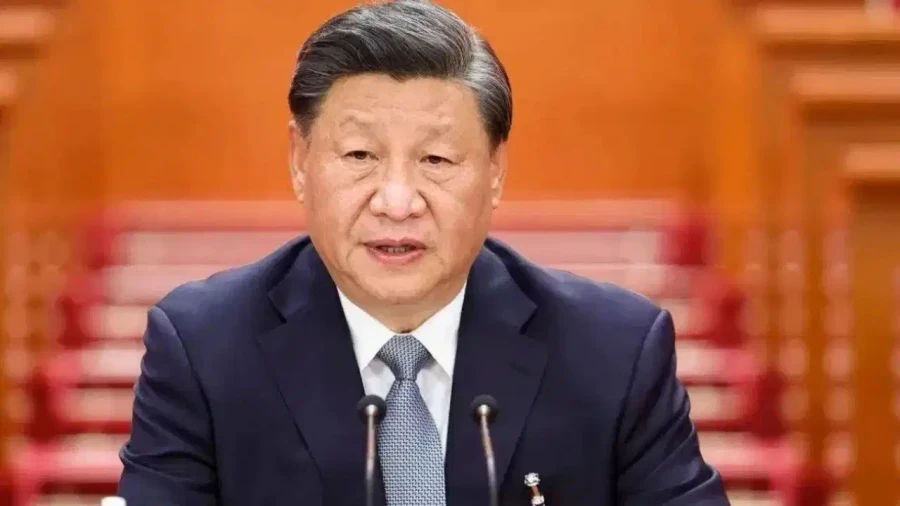
In the midst of escalating tensions and ongoing conflict in the Middle East, Chinese President Xi Jinping has made a significant diplomatic move by arriving in Egypt for an official visit. This development has sparked intense global discussion regarding China's strategic priorities in the region. While Beijing has long maintained strong economic and political ties with powerful Gulf nations such as Saudi Arabia and the United Arab Emirates, the decision to prioritize Egypt at this critical juncture suggests a calculated recalibration of China's foreign policy. The visit underscores Cairo's emerging role as a central pillar in China's vision for a multipolar Middle East, where trade and diplomacy take precedence over military alliances.
The Strategic Choice: Why Egypt Over Gulf Giants?
The primary question surrounding this visit is why President Xi Jinping chose Egypt over other regional heavyweights like Saudi Arabia or the UAE. Analysts point to three fundamental factors that make Egypt an indispensable partner for China right now. First, Egypt maintains a unique diplomatic position regarding Iran. Unlike the traditional rivalry seen between Tehran and the Gulf monarchies, Egypt doesn't have a direct strategic or military confrontation with Iran. This lack of hostility allows China to engage with Cairo without being perceived as taking a side in the deep-seated Iran-Saudi divide, thereby maintaining its image as a neutral mediator in the region.
Neutrality in a Time of War
The second factor is Egypt's carefully maintained neutrality amidst the current Middle East conflict. While Cairo remains a close ally of the United States, it has successfully avoided being confined within Washington's strategic camp. Under the leadership of President Abdel Fattah el-Sisi, Egypt has actively diversified its international partnerships, keeping its options open with global powers like China and Russia. This strategic autonomy was solidified in 2023 when Egypt joined the BRICS bloc and further strengthened in 2024 through cooperation agreements under China's Belt and Road Initiative. For Beijing, a partner that can communicate with both the West and the Arab world while remaining independent is far more valuable than a staunch partisan actor.
The Suez Canal: A Global Trade Lifeline
The third and perhaps most critical reason for Egypt's heightened importance is the Suez Canal. As one of the world's most vital maritime corridors, the Suez Canal facilitates the vast majority of trade between Asia and Europe, while with the ongoing war in the Middle East threatening regional stability and affecting oil shipments through the Strait of Hormuz, the security and accessibility of the Suez Canal have become paramount. China, as the world's largest trading nation with immense energy requirements, views the canal as a lifeline for its global economic interests. By strengthening ties with the nation that controls this passage, Beijing ensures the long-term security of its supply chains.
Economic Foundations and Future Cooperation
China's engagement with Egypt is backed by substantial financial commitments. Beijing has already invested more than 10 billion dollars in various Egyptian sectors, ranging from infrastructure to energy. This visit by Xi Jinping isn't merely a symbolic diplomatic gesture but a move to consolidate these investments and explore new avenues for cooperation. China aims to present itself as a power that promotes stability through trade, infrastructure development, and diplomacy rather than military intervention. In this context, Egypt serves as a strategic gateway for China to expand its influence across both the Arab world and the African continent, positioning Beijing as a viable alternative to traditional Western influence in the region.