
- India,
- 27-Jun-2026 09:05 PM IST



2 struck the Hindu Kush region of Afghanistan on Saturday evening, sending powerful tremors across several parts of North India and neighboring countries. The seismic activity was felt intensely in Jammu and Kashmir, as well as the Delhi-National Capital Region (NCR), while according to the National Center for Seismology, the earthquake occurred at a considerable depth of 215 kilometers, which contributed to the wide area over which the vibrations were felt. In addition to the capital and the valley, tremors were also reported in Chandigarh, Punjab, Haryana, and Himachal Pradesh, causing widespread panic among residents.
Impact Across North India
As the ground began to shake, residents in various cities, particularly those living in high-rise buildings in Delhi-NCR and Chandigarh, rushed out of their homes and offices as a precautionary measure. In Jammu and Kashmir, the proximity to the epicenter made the tremors feel particularly sharp. 2 magnitude quake, there have been no immediate reports of casualties or significant structural damage to property from any of the affected Indian states. Authorities continue to monitor the situation, but the depth of the earthquake appears to have mitigated the potential for surface-level destruction in India.
Seismic Activity in Pakistan's Balochistan
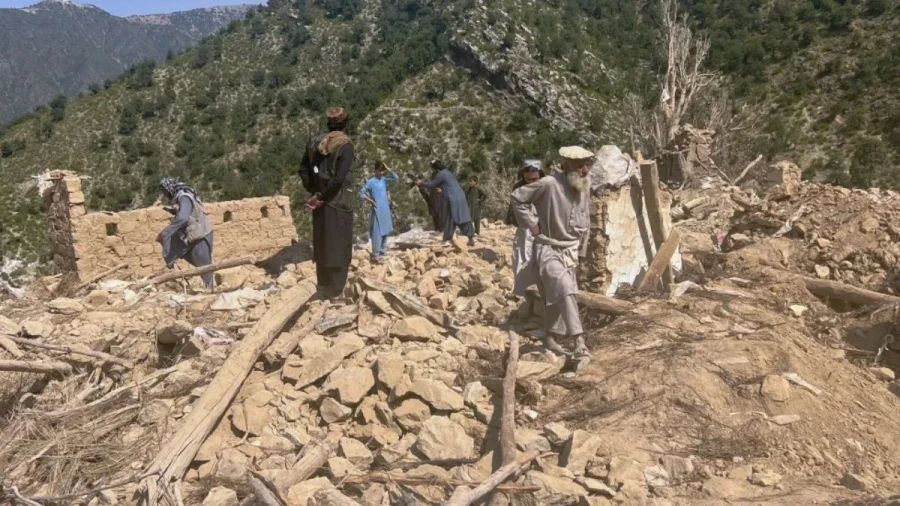
While India remained relatively unscathed, the situation in Pakistan has been more concerning. Since Friday, the southeastern province of Balochistan has been hit by at least five earthquakes of moderate intensity. The most recent of these occurred on Saturday morning, centered around the Barkhan area and its surroundings. 2 on the Richter scale, have resulted in injuries to at least 5 people. Local officials reported that several houses, particularly those made of mud in remote areas, sustained damage or collapsed entirely.
Expert Analysis and Global Connections
Amir Haider Leghari, the Chief Meteorologist at the Pakistan Meteorological Department, provided insights into the ongoing seismic activity. He explained that these earthquakes occurred along a known fault line and suggested they might be linked to larger seismic events happening globally. Specifically, he pointed to the massive earthquakes that struck Venezuela on June 25.5 in magnitude, resulted in a catastrophic loss of life with over 920 people confirmed dead and more than 51,000 individuals reported missing. Leghari noted that such massive releases of energy can cause 'leakage' into other fault lines, potentially triggering tremors in regions like Balochistan which sit on active geological structures.
Rescue Operations and Historical Context
Ali Ansari, an official from the Balochistan Provincial Disaster Management Authority, confirmed that rescue teams have been dispatched to the affected remote regions of Musakhel, Kingri, and Barkhan. He noted that the prevalence of mud-brick houses in these areas makes them highly vulnerable to even moderate tremors. Balochistan has a tragic history with earthquakes; in October 2021, a quake in the Harnai district killed 40 people and injured 300.8 magnitude earthquake devastated the province, claiming nearly 350 lives and affecting over 300,000 people. The current series of tremors has put the local administration on high alert as they brace for potential aftershocks.