
- India,
- 30-Oct-2026 08:51 AM IST



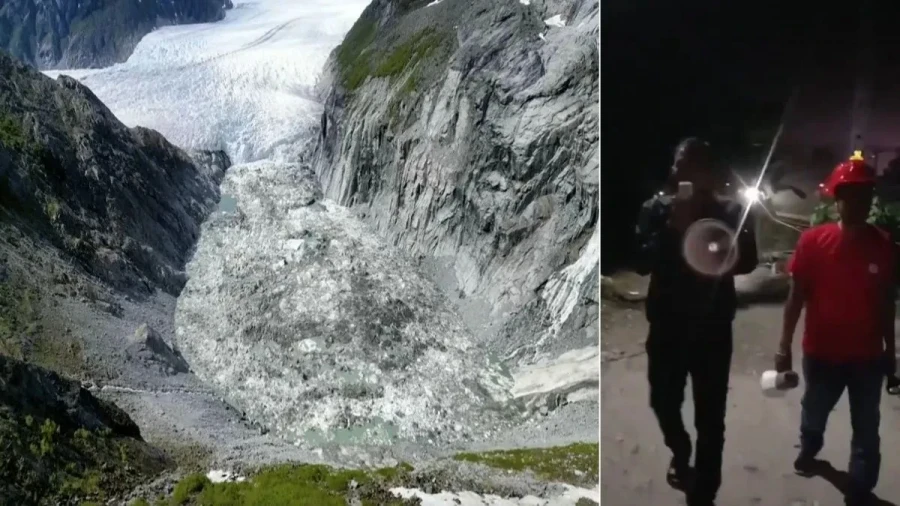
A critical and dangerous incident has been reported from Bhutan, where a highly sensitive glacier lake has burst, Notably escalating the threat of severe floods in several parts of neighbouring India, specifically in the states of West Bengal and Assam. The Shintafu glacier lake, located in Lemthang, Bhutan, has been discharging massive volumes of water with a furious and heavy current since Thursday night. This sudden natural calamity has sparked panic among administrative circles in India, prompting immediate and stringent precautionary measures for residents living in border regions and low-lying river basins.
The rushing torrent of water overflowing from the Shintafu lake in Bhutan is currently surging downwards through the Mophu river towards the Sankosh river in the territory of West Bengal. The Sankosh river enters India directly from Bhutan and serves as the absolute lifeline for the livelihoods of countless residents living across northern West Bengal and adjoining areas of Assam. A sudden and abnormal surge in the water level of this river poses an imminent and catastrophic danger to settlements, livestock, agricultural farmlands, and vital local infrastructure established along its banks.
High Alert Issued Across Multiple Districts of West Bengal
As soon as the alarming news of water escaping uncontrollably from the Shintafu lake reached authorities, the government of West Bengal and local administrations swung into maximum gear. Consequently, a strict high alert has been officially declared across several crucial districts, including Alipurduar, Jalpaiguri, and Darjeeling in West Bengal. Warning sirens are continuously wailing across these vulnerable zones to ensure that ordinary citizens are alerted to the impending danger in a timely manner and can safely evacuate toward higher ground.
All local inhabitants residing within the catchment areas of the Sankosh river and its associated tributaries across northern Bengal have been strongly advised by the administration to immediately leave their homes and move to designated safe locations. A fervent appeal has also been extended to all residents across the hills, Terai, and Dooars regions of Darjeeling to maintain utmost vigilance and caution.
Appeals by Leaders and Comprehensive Administrative Preparations
Recognizing the sheer gravity of the situation, prominent ministers and people's representatives from West Bengal have taken direct charge of the ground response. West Bengal minister Nisith Pramanik and Forest Minister-cum-Kumargram MLA Manoj Kumar Oraing have made earnest appeals to all citizens residing along the banks of the Sankosh river to relocate without any delay to secure shelters. Also, the Member of Parliament from Darjeeling, Raju Bista, has released an advisory video message urging local populations to stay extremely alert against the unfolding crisis.
The administration has mobilized full resources to counter the looming disaster, while special teams from the District Disaster Management Authority, the National Disaster Response Force (NDRF), and the State Disaster Response Force (SDRF) have been placed on absolute alert across these sensitive districts. Specifically, NDRF and SDRF teams have been stationed directly on the ground in Tufanganj and Baxirhat areas of the Cooch Behar district in Bengal to tackle any emergency situation swiftly and effectively.
Special Advisory Issued by the Government of India
At the central level, the unfolding event has been met with immediate and serious administrative cognizance. A special advisory has been officially issued from the Indian side, stating clearly that due to the sudden flash flood originating in the upper reaches of the Punatsangchu river, water levels are expected to rise exponentially and rapidly in Alipurduar district of West Bengal and Dhubri district of Assam. According to this official advisory, the floodwaters were anticipated to reach the India-Bhutan border region within a brief window of six to eight hours following the initial incident.
There is a formidable probability of sudden water level escalation particularly in the low-lying sectors of Alipurduar district in West Bengal and Dhubri district in Assam. Authorities have repeatedly warned citizens to steer completely clear of riverbanks and to seek shelter strictly within government-designated relief camps or elevated safe zones.
Echoes of Past Tragedies and Current Preparedness
This fresh and alarming threat has vividly recalled other devastating tragedies from the recent past. Prior to this event, on the twenty-sixth of August, a sudden and catastrophic flood in Nepal rendered thousands of people homeless in a single sweep. That tragic Nepal disaster claimed the lives of over one thousand people, while approximately four thousand individuals went missing. The deep wounds inflicted by that colossal calamity had barely begun to heal when this brand-new incident of a glacier lake bursting in Bhutan struck deep fear into the hearts of residents across Assam and Eastern Bengal.
At present, round-the-clock monitoring of the situation is underway across all vulnerable zones in Assam and Bengal. Officials from the meteorological department, water commissions, and disaster management cells remain in continuous coordination with Bhutanese authorities to track water flow rates and gauge real-time shifts in water levels. The singular objective of the administration remains evacuating the maximum number of people to safety within the shortest possible timeframe and averting any potential loss of human life or property, while citizens are continuously urged to extend full cooperation and adhere strictly to official guidelines.