

- India,
- 04-Nov-2025 06:31 AM IST


The weather in Delhi-NCR is undergoing a significant transition, characterized by a blend of chilly mornings, rising daytime temperatures, and a concerning decline in air quality. Residents are advised to prepare for a day of varied climatic conditions on November 4, as the region experiences a dynamic shift from cool to warm and back again.
Morning Chill and Daytime Warmth
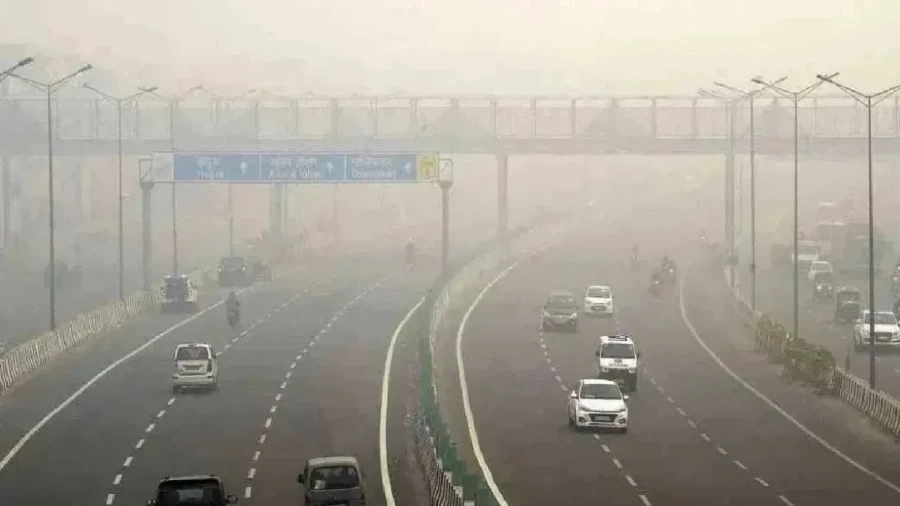
November 4 is set to begin with a slightly cold ambiance across Delhi-NCR. The early hours will likely be marked by light fog, which could marginally affect visibility and contribute to a crisp feel in the air. The night temperature preceding this day is anticipated to hover around 19 degrees Celsius, setting the stage for the morning's coolness. However, as the sun ascends and its rays penetrate the morning haze, temperatures are expected to climb steadily. By afternoon, the mercury in Delhi is projected to reach approximately. 30 degrees Celsius, making the midday period relatively warm and comfortable. This significant diurnal temperature variation is a hallmark of the current. Seasonal shift, requiring individuals to adapt their attire throughout the day.
Evening Transition and Nighttime Coolness
Following the warmth of the afternoon, the weather pattern is expected to shift once more as evening approaches. With the setting sun, temperatures will begin their descent, while by nightfall, the temperature is likely to settle around 24 degrees Celsius, ensuring that evenings and nights remain pleasant and mildly cool. This daily temperature cycle underscores the need for Delhi-NCR residents to be prepared for diverse weather conditions, influencing their choice of clothing and outdoor activities from dawn till dusk.
Season's Coldest Day Recorded
Prior to this, November 3 marked a notable meteorological event, recording the coldest day of the season so far in Delhi. According to data from the India Meteorological Department (IMD), the lowest temperature observed in the Delhi-NCR weather monitoring network on November 3, by 8:30 AM, was recorded in Aya Nagar, while the minimum temperature in Aya Nagar dropped to 13. 4 degrees Celsius, making it the coldest minimum temperature of the current season. This record indicates that winter's chill has begun to set in early November, and further drops in temperature can be anticipated as the season progresses.
Alarming Air Quality Index (AQI)
Alongside the fluctuating temperatures, Delhi's air quality continues to be a major cause for concern. On November 3, the overall Air Quality Index (AQI) for Delhi was recorded at 324, placing it firmly in the 'Very Poor' category, while this level of pollution can lead to health issues for sensitive individuals and may also affect healthy persons with prolonged exposure. Many areas within Delhi registered AQI levels between 300 and 400, which. Falls into the 'Red Zone' or 'Severe' category, indicating extremely hazardous air quality.
High AQI Levels Across Key Localities
The air quality levels in various localities were Notably high, highlighting the widespread nature of the pollution. Wazirpur recorded the highest AQI at 389, an alarmingly dangerous level. Other prominent areas and their AQI readings included Alipur at 354, Anand Vihar at 371, Ashok Vihar at 367, Aya Nagar at 365, Mathura Road at 345, Karni Singh at 336, DTU at 246, Bawana at 312, Burari Crossing at 384, Chandni Chowk at 354, Dwarka-Sector 8 at 344, Jahangirpuri at 336, Dilshad Garden at 302, ITO at 307, and Jawaharlal Nehru Stadium at 331, while these figures collectively indicate that a significant portion of Delhi-NCR is grappling with severe air pollution, necessitating precautionary measures from residents.
Western Disturbance and Rainfall Forecast
The India Meteorological Department (IMD) has also forecasted significant weather changes for parts of North-West India on November 4 and 5. A Western Disturbance is expected to influence the region, potentially bringing light rain to Punjab and Haryana, while On top of that, hilly states such as Jammu, Himachal Pradesh, and Uttarakhand are likely to experience scattered to heavy rainfall, with the possibility of snowfall in higher altitude areas. This weather system could lead to a further drop in temperatures in these regions, making the weather even colder. The IMD has advised the public to stay safe and monitor the latest updates in light of these anticipated weather changes. While this Western Disturbance may not directly impact Delhi-NCR's immediate weather, the rainfall and. Snowfall in neighboring regions could have indirect effects on air quality and temperature dynamics.
