- India,
- 20-Jul-2026 02:53 PM IST



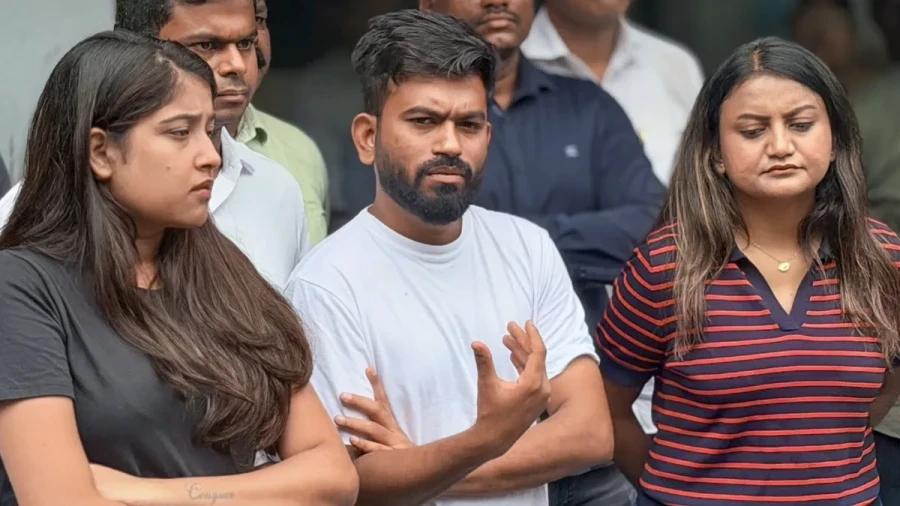
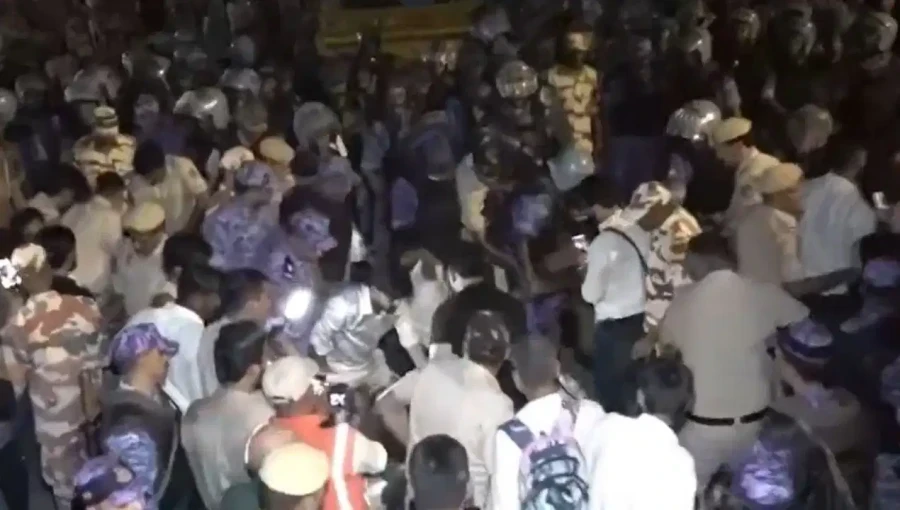
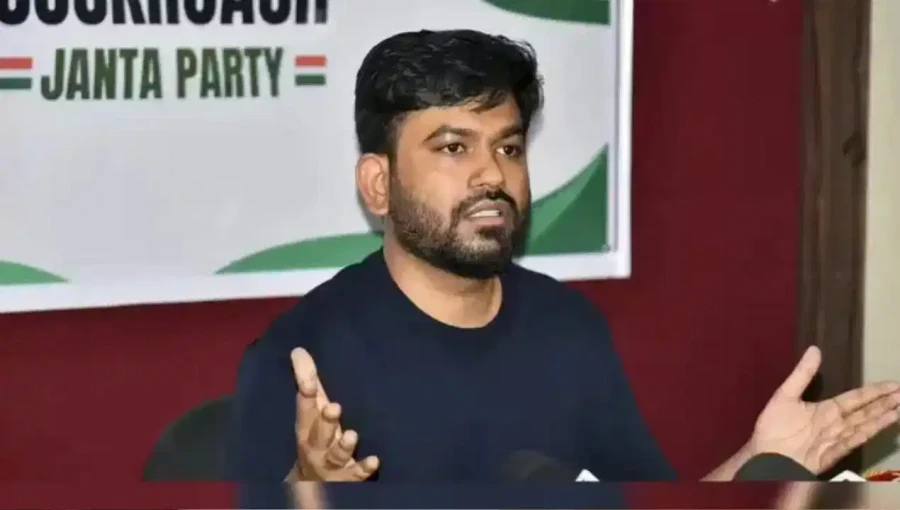
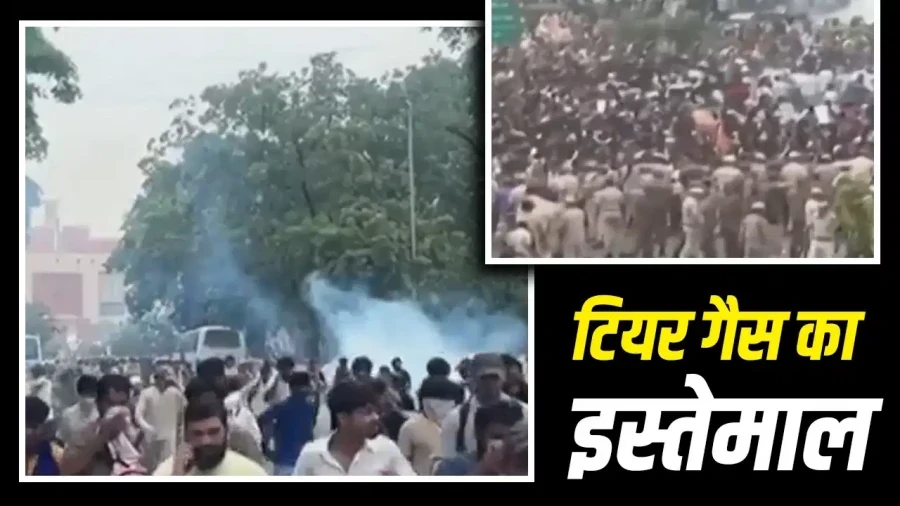
The national capital witnessed high-intensity drama as protesters from the Cockroach Janta Party (CJP) managed to reach the vicinity of the Parliament House. In response to the massive surge of demonstrators, the security apparatus was immediately scaled up, leading to the closure of the main gates of the Parliament House. To disperse the swelling crowd and maintain order, the Delhi Police resorted to firing tear gas shells, creating a tense atmosphere in the high-security zone. The protest, which saw a massive turnout, prompted authorities to take extreme measures to prevent any breach of the legislative building.
Police Action and Detentions
The situation escalated when the protesters, who were marching from Jantar Mantar towards the Parliament, were met with resistance from the security forces, while reports indicate that the police initially used lathi charge to stop the marchers as they attempted to break through the barricades. As the crowd persisted and the situation became volatile, tear gas was deployed, while several protesters were subsequently detained by the Delhi Police near the Reserve Bank of India (RBI) building. Despite the police action and detentions, many demonstrators continued their protest by sitting on a dharna near Rail Bhavan and the Press Club of India, refusing to leave until their demands were heard.
High-Level Political Meetings
Amidst the ongoing chaos outside, significant political movements were observed within the corridors of power, while union Education Minister Dharmendra Pradhan reached the Parliament House to meet Union Home Minister Amit Shah. This meeting is being viewed as highly critical given the intensity of the CJP protest and the issues being raised. Simultaneously, the government reached out to the CJP leadership for a dialogue. Sources suggest that CJP representatives Ashutosh Ranka and Sourav Das went to meet Union Minister JP Nadda. The CJP claimed that the government had initiated contact for talks earlier in the morning, indicating the pressure built by the demonstration.
Reactions from Political Leaders
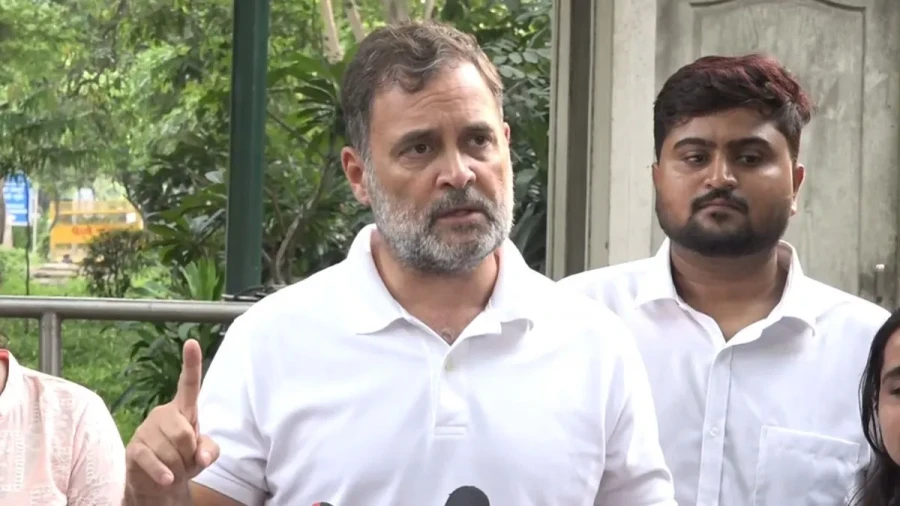
The police action drew sharp criticism from various political quarters. Former Delhi Chief Minister and Aam Aadmi Party (AAP) National Convenor Arvind Kejriwal condemned the use of force, stating that the government is attacking the youth instead of fixing the education and examination systems, while he remarked that the youth wouldn't tolerate the arrogance of Modi ji. Member of Parliament Chandrashekhar Azad, chief of the Azad Samaj Party (Kanshi Ram), also joined the protest, stating he was there to fulfill his duty towards the youth who are facing injustice. He emphasized that as an Indian youth, he understands their pain and will stand as their voice, while on the other hand, Union Minister Kiren Rijiju expressed displeasure over the disruption, questioning how the House would function under such circumstances. MP Jagdambika Pal clarified that no MPs were being stopped at the gates despite the closure.
Prominent Figures and Security Measures
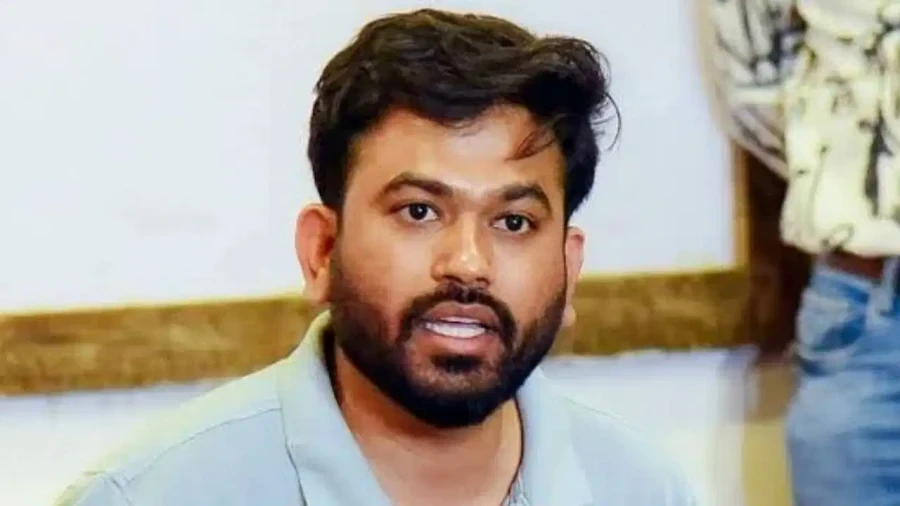
The CJP's march saw participation from several high-profile individuals and political leaders. AAP leaders Manish Sisodia and Sanjay Singh were present, along with Nagina MP Chandrashekhar Azad. Notable personalities like actor Prakash Raj and Gitanjali, the wife of activist Sonam Wangchuk, also joined the demonstration to show solidarity. The march was originally called by CJP founder Abhijit Dipke to highlight issues such as paper leaks and rising youth unemployment. In anticipation, the Delhi Police had imposed Section 163 of the Bharatiya Nagarik Suraksha Sanhita (BNSS) in New Delhi. The Delhi Metro Rail Corporation (DMRC) also temporarily closed the entry and exit points of five key metro stations: Rajiv Chowk, Janpath, Patel Chowk, Central Secretariat, and Sewa Tirth. The protesters have specifically demanded the resignation of Education Minister Dharmendra Pradhan, citing accountability for widespread paper leaks and student suicides.