
- India,
- 15-Jun-2026 10:39 PM IST


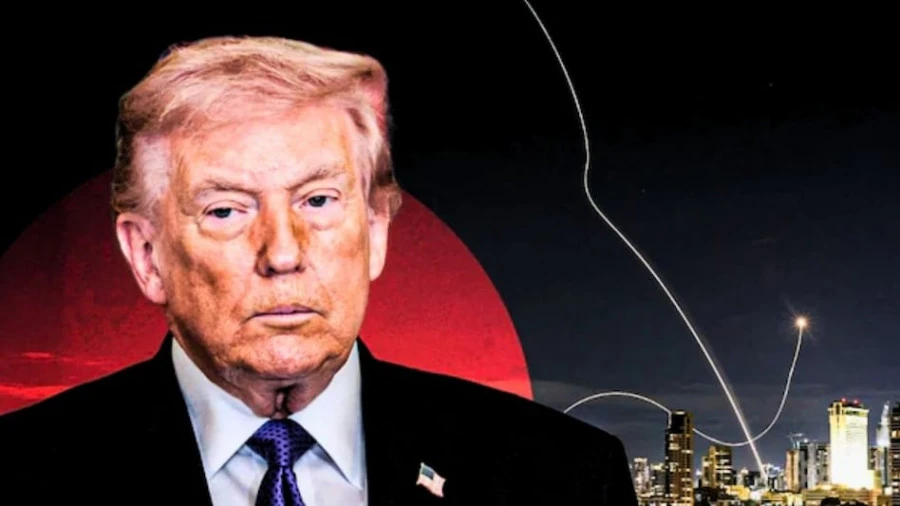
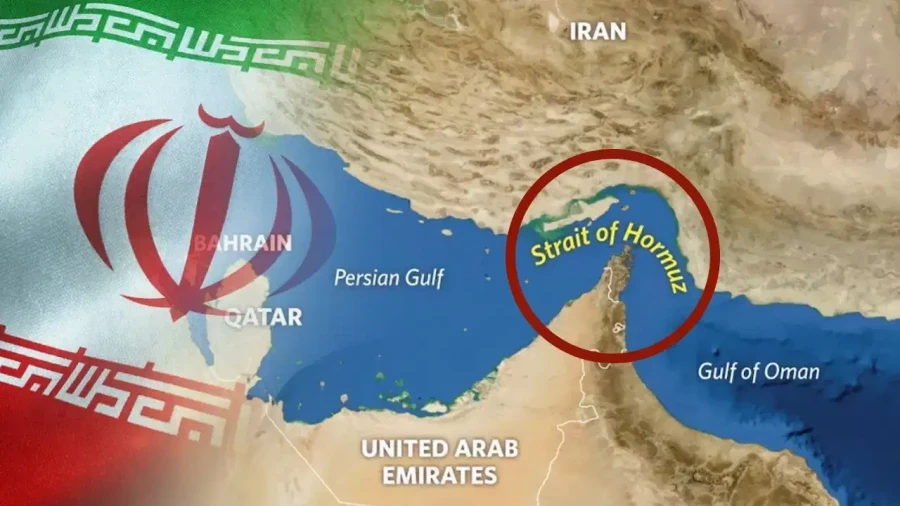
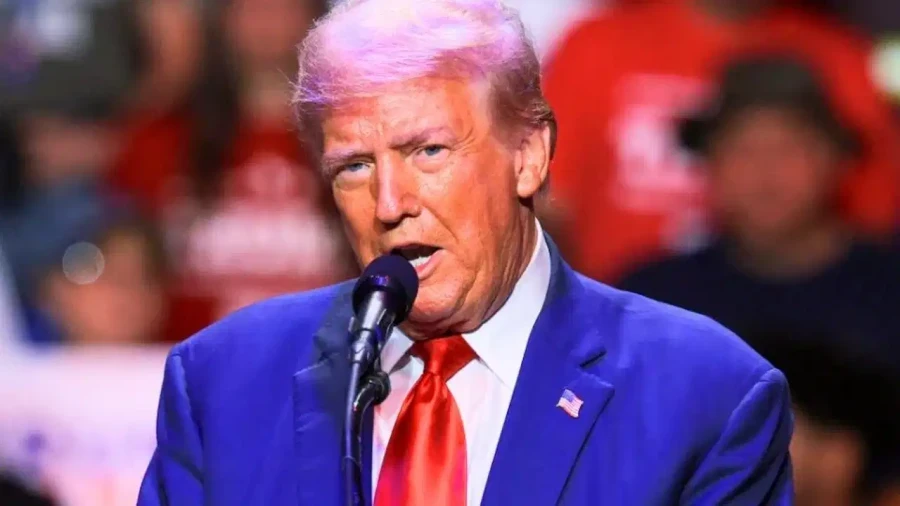
US President Donald Trump has officially announced the conclusion of the military conflict with Iran, marking a pivotal moment in international relations. Following the successful negotiation of a peace deal, Trump confirmed that oil tankers have resumed their passage through the strategically vital Strait of Hormuz. This announcement comes as Iran also signaled its agreement to the peace terms, effectively ending a period of intense hostility that had threatened global energy security for over three months. The President emphasized that the restoration of maritime traffic is a key component of the agreement, ensuring that energy resources can once again flow to international markets without the threat of military intervention.
Resumption of Maritime Traffic and the Southern Highway
In a detailed statement shared on his social media platform, Truth Social, President Trump highlighted the immediate impact of the agreement on global shipping. He noted that several ships laden with oil have already begun departing through the Strait of Hormuz, a move that's expected to stabilize oil prices worldwide. According to the President, these vessels are utilizing what he referred to as the southern highway route. He described this specific path as being completely safe, secure, and clear for all forms of maritime navigation, while trump further mentioned that while the southern highway is the primary route currently in use, other areas for travel within the region are also available and open, indicating a comprehensive reopening of the entire maritime corridor that was previously restricted due to the conflict.
End of the 107 Day Conflict and Economic Impact
The peace deal brings a definitive end to 107 days of fierce warfare between the United States and the Islamic Republic of Iran. This conflict had significant and far-reaching implications for the global economy, particularly due to the strategic importance of the Strait of Hormuz. As one of the world's most critical chokepoints for oil supply, its closure during the 107 day period caused widespread concern regarding energy availability. The agreement reached between the two nations focuses on the permanent reopening of this waterway and the immediate cessation of all military operations, while while the full technical details of the agreement have not yet been made public, it's understood that sensitive issues, including the long-standing concerns over Iran's nuclear program, are slated for detailed discussion at a later date, allowing the current focus to remain on peace and economic stability.
Formal Signing Ceremony in Switzerland
The diplomatic breakthrough is set to be formalized this coming Friday in Switzerland, where high-level representatives from both nations will officially sign the peace treaty. This formal ceremony in a neutral venue will mark the official transition from active military conflict to a structured diplomatic framework. President Trump expressed his congratulations to all parties involved in the process, confirming that the deal with the Islamic Republic of Iran has been finalized to the satisfaction of the negotiating teams, while he has already authorized the immediate and full reopening of the Strait of Hormuz for free movement and has ordered the removal of the US naval blockade that had been in place during the hostilities. This move is seen as a gesture of good faith to facilitate the implementation of the peace terms.
Economic Relief and Easing of Sanctions
As part of the broader understanding reached during the negotiations, the United States has indicated a clear willingness to ease existing economic sanctions on Iran. This move is specifically intended to support the Iranian economy, which has been severely impacted and strained by the 107 days of war and the preceding tensions. By allowing Iran to sell more oil and participate more freely in global trade, the agreement aims to stabilize the regional economy and ensure a steady, predictable flow of energy to global markets. The lifting of the naval blockade is a primary and essential step in this economic recovery process, allowing for the resumption of normal commercial activities that were halted during the conflict.
Iranian Confirmation and the Role of Qatar
On the Iranian side, Deputy Foreign Minister Kazem Gharibabadi confirmed the agreement during an extensive appearance on state television. He revealed that the consensus was reached following a marathon negotiation session held in Tehran that lasted for more than 14 hours of continuous discussion. These intense talks were mediated by a representative from Qatar, who played a crucial and indispensable role in bridging the gap between the two warring nations and facilitating the dialogue, while gharibabadi emphasized the importance of the mediation process in reaching this peaceful conclusion. However, he also clarified that Iran wouldn't begin the full implementation of the deal's provisions until the formal signing ceremony takes place on Friday in Switzerland, ensuring that all legal and diplomatic protocols are strictly followed by both sides.