
- India,
- 01-Oct-2026 05:52 PM IST



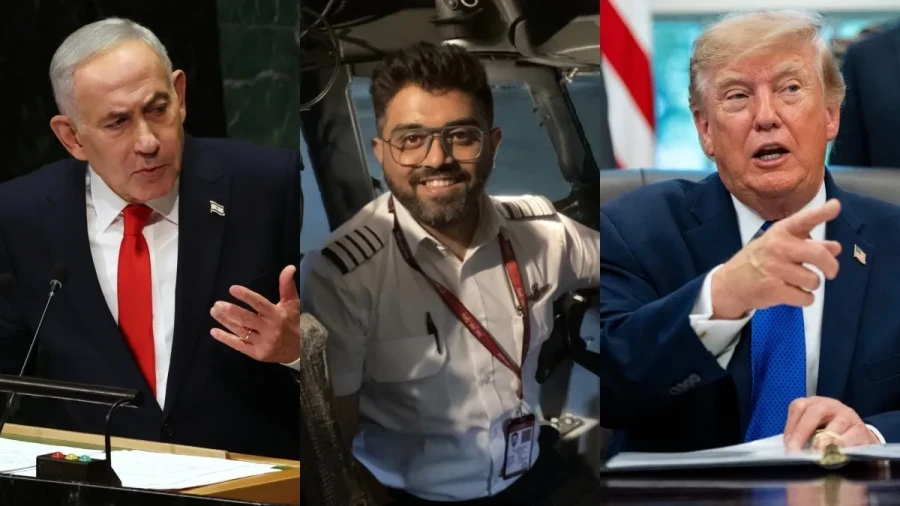
The anticipation surrounding the Nobel Peace Prize has reached a fever pitch as the announcement date of October 9 approaches. However, for former US President Donald Trump, the prospects of securing this prestigious honor appear slim this year. Despite receiving formal nominations from nations such as Israel, Cambodia, and Pakistan, several geopolitical and internal factors within the Nobel Committee seem to be working against his candidacy. The race for the 2025 prize is being viewed through the lens of global stability and the committee's desire to maintain its institutional integrity.
The Impact of the Iran Conflict
A significant hurdle for Donald Trump's nomination is the ongoing military tension and the war initiated by the United States against Iran. This conflict has had a profound impact on the global stage, affecting millions of lives and creating a humanitarian crisis that the Nobel Committee can't ignore. Historically, the Peace Prize is awarded to individuals or organizations that have made strides in preventing conflict or fostering diplomacy, while the scale of the war with Iran and its consequences have led many to believe that awarding the prize to Trump would contradict the core values of the Nobel foundation.
The Machado Incident and Committee Embarrassment
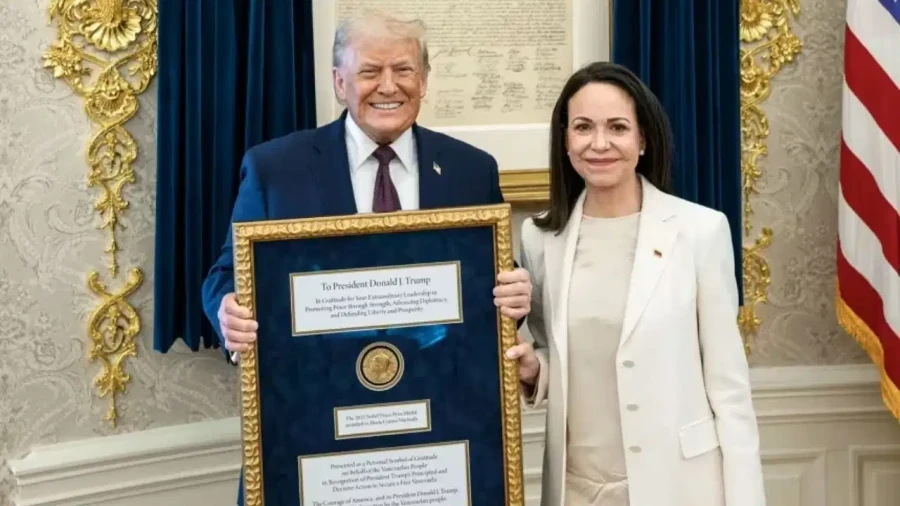
The Nobel Committee is also wary of repeating past controversies. In 2025, the Nobel Peace Prize was awarded to Machado of Venezuela. However, in a move that caused significant embarrassment for the committee, Machado handed the prize over to Donald Trump after receiving it. This incident, often referred to as a major blow to the committee's reputation, has made the members extremely cautious, while there is a prevailing sentiment within the committee to select a recipient who can stand firm against external political pressures, particularly those emanating from the Trump administration.
Contenders in the Race: The International Court Tribunal
According to reports from news agency Reuters, citing internal sources, the Nobel Committee is exploring the possibility of awarding the prize to the International Court Tribunal. This potential move is seen as a direct counter-narrative to current US policies. The United States has notably imposed sanctions on the International Court Tribunal and Washington has also frozen the court's funding. By honoring the tribunal, the committee would be sending a strong message regarding the importance of international law and justice, even in the face of opposition from powerful nations.
Expert Analysis and Other Frontrunners
Experts believe that the final decision will likely revolve around figures or institutions that represent a challenge to Trump's policies. Haakon Gjerløw, the Acting Director of the Peace Research Institute Oslo, suggested that the committee will be careful to choose someone who can withstand pressure from Trump. He noted that if Trump doesn't win, he's likely to exert pressure on the eventual winner, a pattern observed in previous years. Consequently, the committee might lean towards a staunch opponent of Trump to emphasize that democracy and peace remain the primary criteria for the Nobel.
Other prominent names in the race include Pope Leo, the UN Special Rapporteur on Palestinian territories, and Francesca Albanese. Karim Haggag, Director of the Stockholm International Peace Research Institute, pointed out that Pope Leo is a strong contender, while the Pope has been a consistent critic of the Trump administration's policies and the ongoing wars. Ultimately, while the final recipient remains unknown until October 9, it's clear that the shadow of Donald Trump's influence and his administration's actions will heavily weigh on the Nobel Committee's deliberations.