
- India,
- 11-Jun-2026 06:56 PM IST



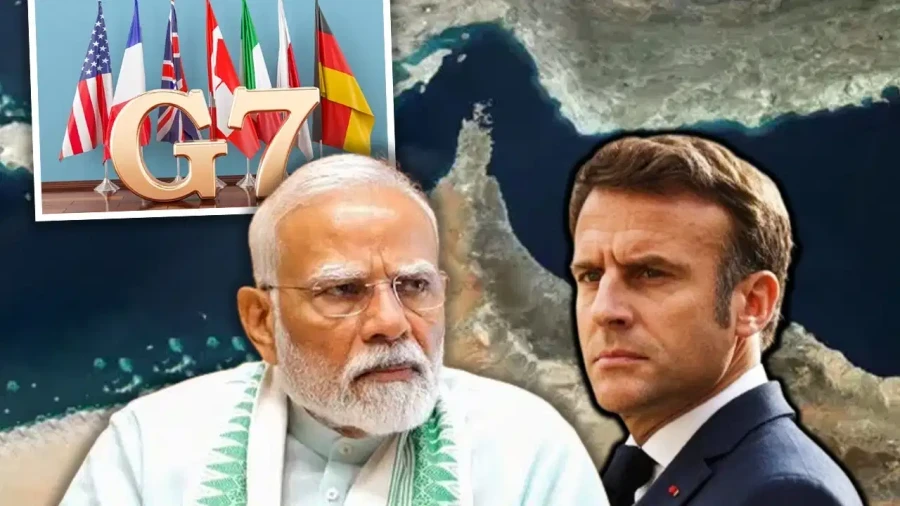
France has demonstrated immense trust in India by extending a special invitation to the upcoming G7 Summit, highlighting the strategic depth of the bilateral relationship. Amidst the escalating tensions in the Middle East and the critical situation surrounding the Strait of Hormuz, France views India as a pivotal partner in maintaining regional stability. This preference shown by France underscores India's growing influence on the global stage, particularly in resolving complex geopolitical issues involving Iran and the Middle East, while prime Minister Narendra Modi is set to play a significant role in several key sessions during this high-profile gathering.
Strategic Discussions on the Hormuz Strait and Middle East
A significant part of the summit will focus on the Strait of Hormuz and the broader Middle East crisis. France has invited key regional players, including Egypt, Qatar, the United Arab Emirates (UAE), and Saudi Arabia, to discuss the reopening of the Strait and dialogue with Iran, while this crucial meeting is scheduled for June 16, where India and the United States will also be present. France's decision to include India in these high-level deliberations stems from a deep-seated mutual trust, as France believes it can rely entirely on India's diplomatic capabilities across various international platforms. The priority given to India at the G7 summit in France is a testament to this mutual confidence.
Summit Venue and High-Level Participation
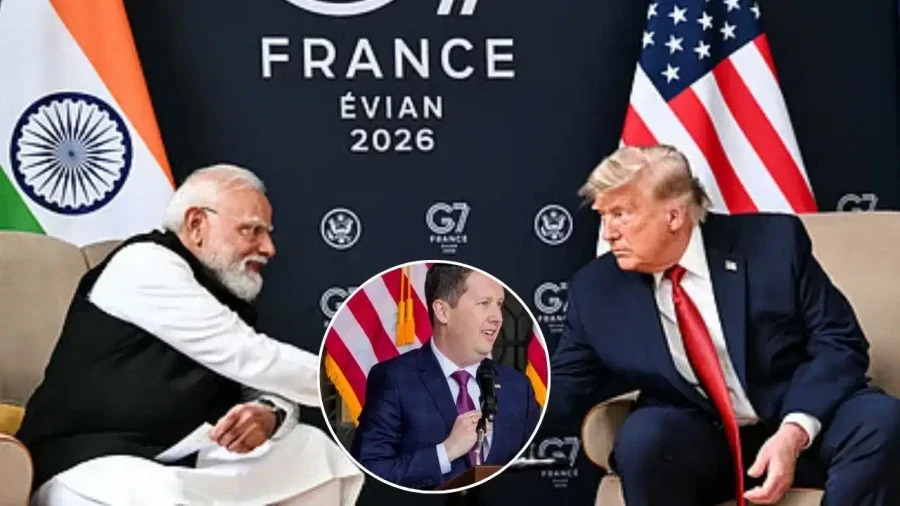
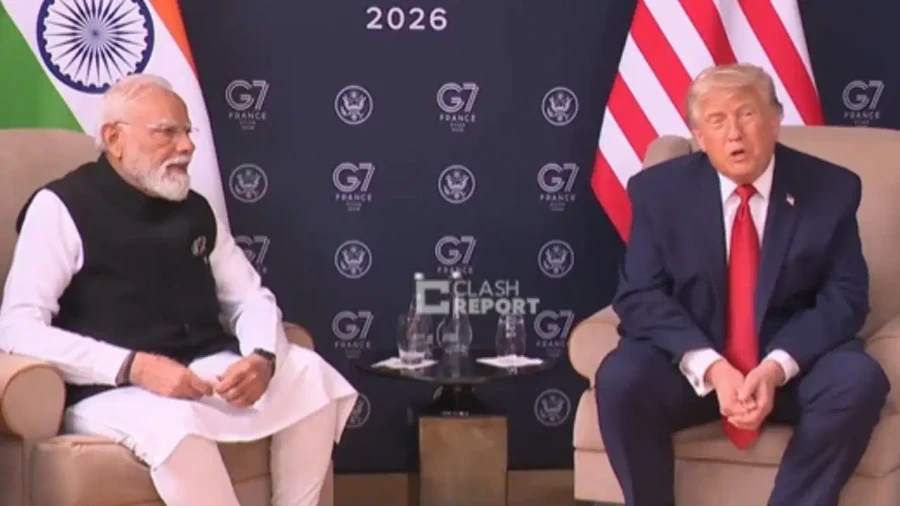
The summit is scheduled to take place from June 15 to June 17 in the French city of Evian-les-Bains, located across Lake Geneva. This event will bring together leaders from the world's largest economies, including US President Donald Trump and other high-level delegations. The choice of venue and the scale of participation highlight the importance of the issues on the table, ranging from global economic stability to regional security. India's presence throughout the summit is particularly noteworthy, as invited countries in the G7 Plus category are usually included only on the final day. However, in India's case, France has taken a special step, believing that the world can't wait for India to officially become a G7 member before involving it in core discussions.
Prime Minister Modi's Agenda and Key Sessions
Prime Minister Modi will be actively involved in various sessions covering a wide array of global challenges. He's slated to participate in a session focused on the minimum age for social media usage, reflecting growing global concerns over digital safety. On top of that, he will attend a session on macro-economic imbalances. For the first time in G7 history, health has been included as a primary topic, and India will be part of these discussions. Other critical issues on the agenda include security matters, financial crime, and illegal immigration. The summit will also see deliberations on the Middle East crisis and the Russia-Ukraine conflict, with India expected to participate in most of these major discussions.
Bilateral Relations and Future Cooperation
Beyond the G7 sessions, the visit includes significant bilateral engagements. On May 14, Prime Minister Modi and French President Emmanuel Macron will hold bilateral talks, which will also include a joint lunch. In Paris, the Prime Minister will attend a technology conference, further strengthening the technological ties between the two nations. France has increasingly become a launching pad for many of India's key international programs. Both nations have designated 2026 as the Innovation Year. Also, a target has been set to enroll 30000 Indian students in France by 2030, supported by streamlined visa processes. This long-term vision complements the G7's 2026 agenda of peace and economic cooperation, which was originally initiated under French leadership in 1975. As India currently holds the BRICS presidency, its role at the G7 becomes even more significant.
Diplomatic Tour: France and Slovakia
The visit to France is part of a two-nation tour for Prime Minister Modi. After his engagements in Nice with President Emmanuel Macron, the Prime Minister will travel to Slovakia on Sunday. In Slovakia, he's expected to meet with Prime Minister Robert Fico. This tour underscores India's commitment to strengthening ties with European partners and participating actively in global governance frameworks.