
- India,
- 23-Jul-2026 05:28 PM IST



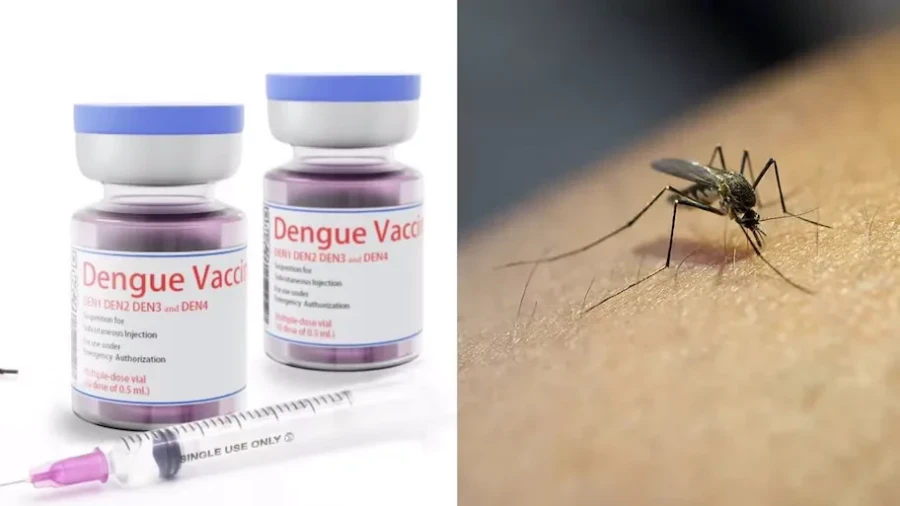
The onset of the monsoon season in India is traditionally accompanied by a significant surge in mosquito populations, which directly leads to a sharp increase in dengue cases across the country. This seasonal health crisis has remained a major concern for public health authorities for decades. In a landmark development for the Indian medical landscape, the Drugs Controller General of India (DCGI) has officially granted approval for the country's first dengue vaccine, known as Qdenga, while this move is expected to provide a much-needed shield against the debilitating viral disease that affects thousands of citizens every year and places a heavy burden on the healthcare infrastructure.
The Scale of Dengue in India
India carries a substantial portion of the global dengue burden, making the approval of a vaccine a critical necessity. Statistics indicate that approximately 1 third of all dengue cases reported worldwide are found within India. The scale of the problem is evident from the data of the year 2025, which saw more than 113,000 reported cases of dengue across various states. Every year, thousands of people are impacted by the virus, and unfortunately, many lose their lives to the complications arising from the infection. The introduction of the Qdenga vaccine is seen as a pivotal step in reducing these numbers and protecting the population from the severe impacts of the disease.
Global Recognition and Manufacturing
The Qdenga vaccine is manufactured by the renowned Japanese firm, Takeda Pharmaceutical Company. It has already gained significant international recognition and validation before its entry into the Indian market. The World Health Organization (WHO) has also granted its approval to this dengue vaccine, underscoring its safety and efficacy on a global scale. Since its initial launch in the year 2022, the vaccine has been adopted and utilized in 43 countries worldwide. To date, approximately 32 million people across the globe have been administered the dengue vaccine, marking its widespread acceptance as a reliable tool for public health intervention.
Mechanism of Action: How Qdenga Works
Understanding the biological mechanism of the vaccine is crucial to appreciating its protective benefits, while once the Qdenga vaccine dose is administered, it prompts the human body to recognize the specific characteristics of the dengue virus. In response, the immune system begins to actively produce antibodies against the virus. These antibodies are then prepared to identify and neutralize the dengue virus immediately upon any future entry into the body. By doing so, the vaccine Notably lowers the risk of infection and prevents the progression to severe stages of the disease. One of the primary advantages of taking the vaccine is the substantial reduction in the likelihood of a patient being admitted to a hospital due to dengue complications. However, it's important to note that the overall effectiveness of the vaccine can also depend on the age of the individual receiving the dose.
Dangers of Dengue and Severe Complications
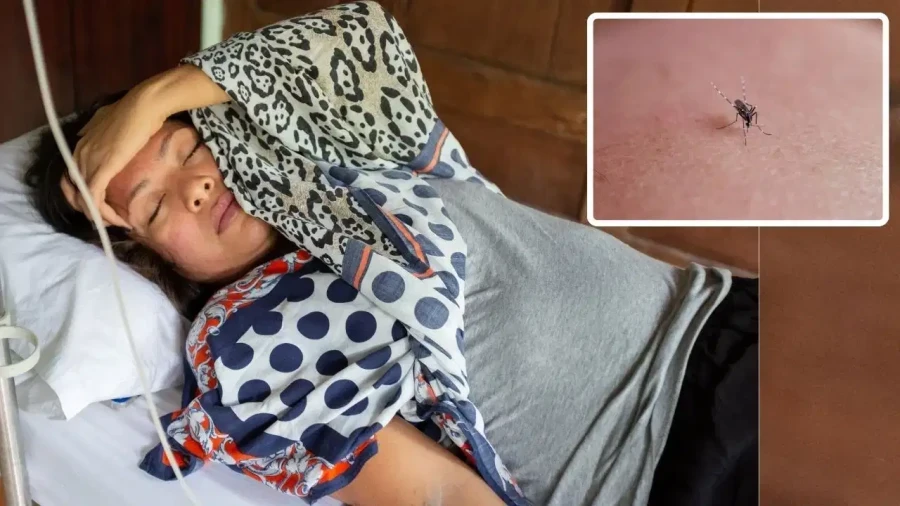
Dengue is far from a simple fever; it's a potentially life-threatening condition that requires serious medical attention. Without timely and proper treatment, it can escalate into dangerous forms such as Dengue Hemorrhagic Fever and Dengue Shock Syndrome. One of the most critical aspects of the disease is the sudden and sharp drop in platelet counts, which can lead to internal bleeding. Plus, patients may experience white fluid leakage, which is a sign of severe infection. If left untreated, these complications can lead to multi-organ failure, Importantly increasing the risk of mortality, while the approval of Qdenga represents a major milestone in the fight against these severe health risks in India, offering hope for a future with fewer dengue-related fatalities.