
- India,
- 24-May-2026 05:45 PM IST



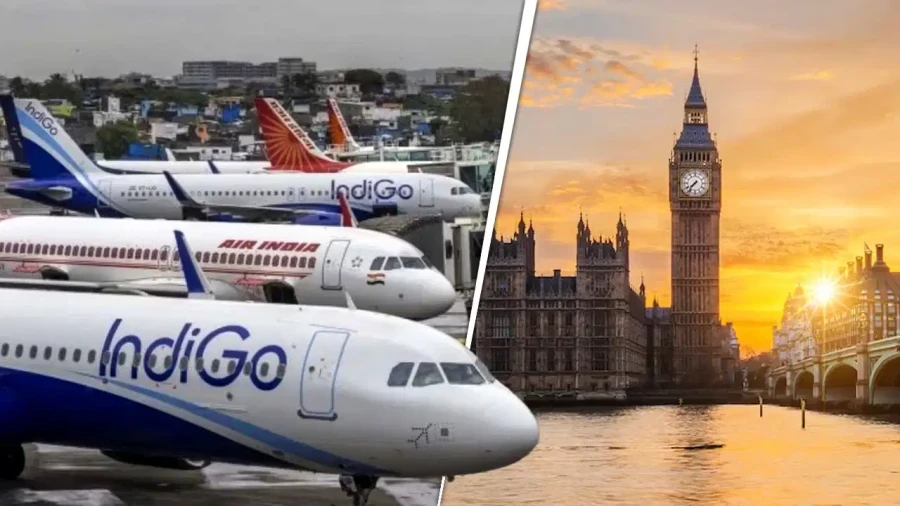
Indians have notably scaled back their expenditures on international travel during the month of March 2026.3 billion dollars recorded in February. 65 billion dollars in January, indicating a consistent cooling off in outbound tourism expenses over the first quarter of the year.
The Impact of Economic and Global Factors
The decline in foreign travel spending comes at a time when the Indian rupee has faced pressure against the US dollar and global uncertainties have intensified. Experts point to several key factors influencing this shift in consumer behavior. The ongoing tensions in West Asia have created a sense of caution among international travelers. Also, the rise in global crude oil prices has led to increased airfares and overall travel costs. The weakening of the rupee has further made foreign vacations more expensive for Indian households, prompting many to reconsider or postpone their international holiday plans.
Also, domestic appeals have also played a role. Prime Minister Narendra Modi recently urged citizens to reduce unnecessary foreign travel and adopt measures like carpooling to help conserve foreign exchange reserves, while this call for fiscal prudence appears to be resonating with the public, as reflected in the latest remittance figures. The combination of high costs and a call for national economic contribution has led many to opt for domestic alternatives or delay their overseas journeys.
Understanding the Liberalised Remittance Scheme (LRS)
The data provided by the RBI is based on funds sent abroad under the Liberalised Remittance Scheme (LRS). Under this regulatory framework, Indian residents are permitted to remit up to 250,000 dollars per financial year for various permitted current or capital account transactions. These categories include private visits, education, maintenance of close relatives, medical treatment, investments in equity or debt, and the purchase of immovable property abroad. The LRS serves as a vital indicator of how Indian residents are allocating their wealth globally.
Breakdown of Spending Categories
59 billion dollars. Within this total, the travel category remained the largest component, despite the monthly decline. The RBI categorizes travel spending into several sub-sectors: business travel, pilgrimage, medical treatment, education-related travel, and other travel. 05 million dollars. 16 million dollars in March. 39 million dollars.
Investment Trends and Property Purchases
Interestingly, while spending on travel and leisure decreased, Indian interest in foreign financial markets showed resilience. 22 million dollars, a notable increase compared to the figures seen in February. This suggests that while discretionary spending on travel is being curtailed, long-term financial planning and diversification into global assets continue to grow. 68 million dollars in March. This reduction aligns with the broader trend of cautious capital outflow amidst fluctuating exchange rates and global economic volatility.
Annual Overview of Remittances
56 billion dollars. Travel consistently emerged as the dominant reason for these outflows throughout the year, while while the recent dip in March highlights a temporary slowdown influenced by immediate economic pressures, international travel remains a significant part of the Indian middle and upper-class expenditure profile. The RBI's monitoring of these trends provides crucial insights into the health of the domestic economy and the impact of global events on Indian consumer sentiment.