
- India,
- 13-Jun-2026 09:07 PM IST



The Middle East is currently witnessing a complex tug-of-war between diplomatic maneuvers and the grim realities of potential warfare. While statements from the United States and Iran suggest an increase in diplomatic contacts and a growing hope that both nations might choose the path of dialogue over direct confrontation, the situation on the ground tells a starkly different story. The fundamental question remains: does the reality on the soil match the optimistic narrative of the diplomatic tables? Recent events suggest a deep-seated mistrust that continues to dictate the regional atmosphere.
Military Readiness Amidst Diplomatic Talks
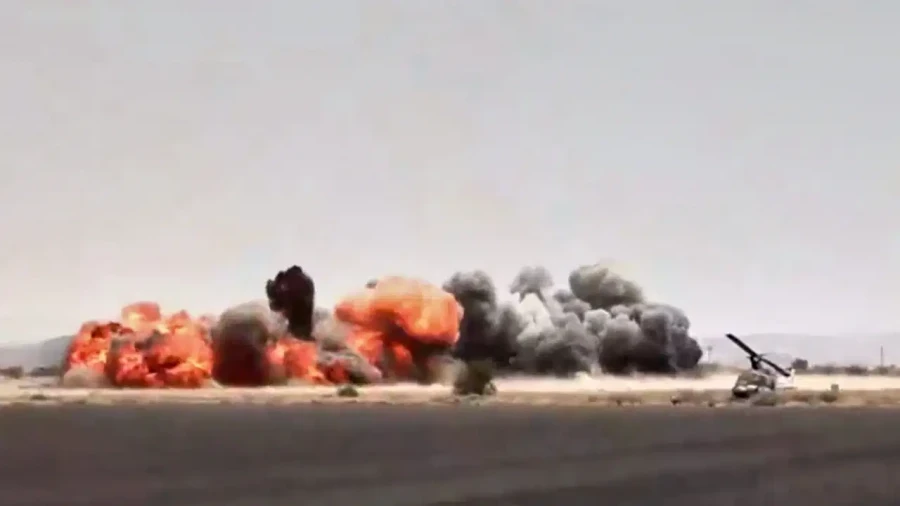
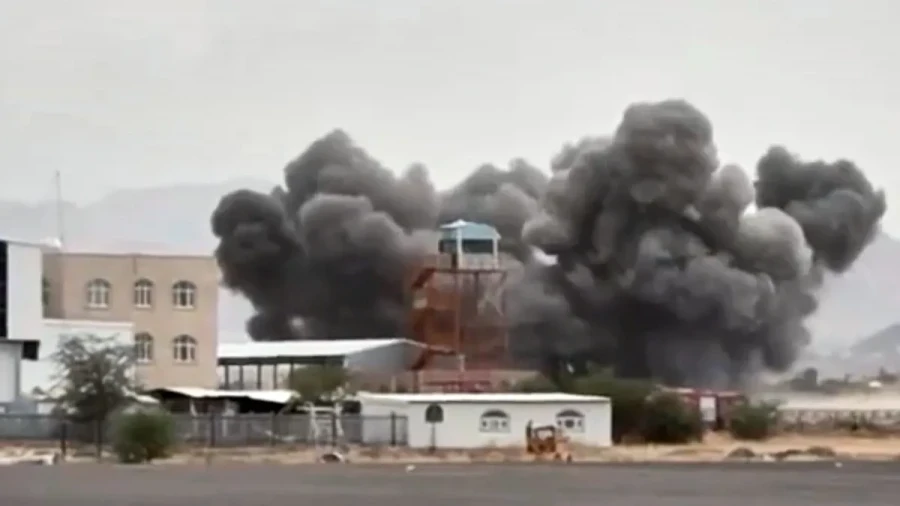
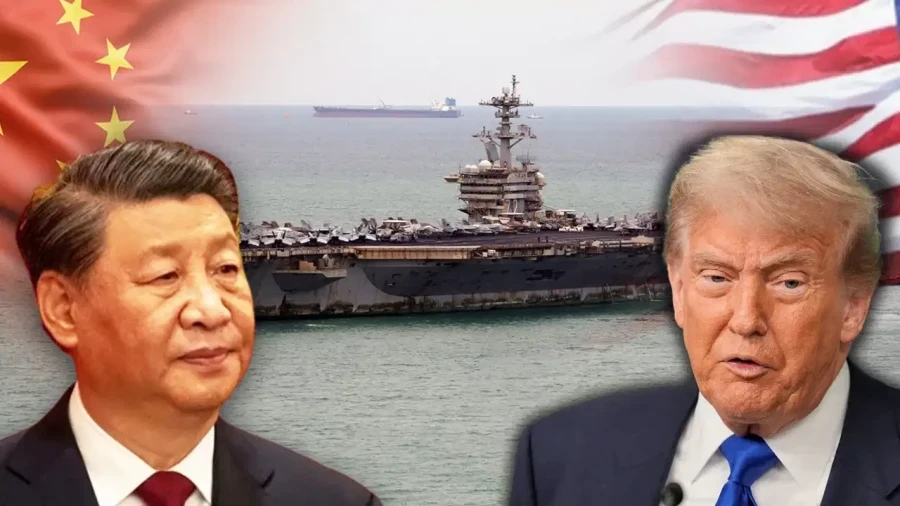
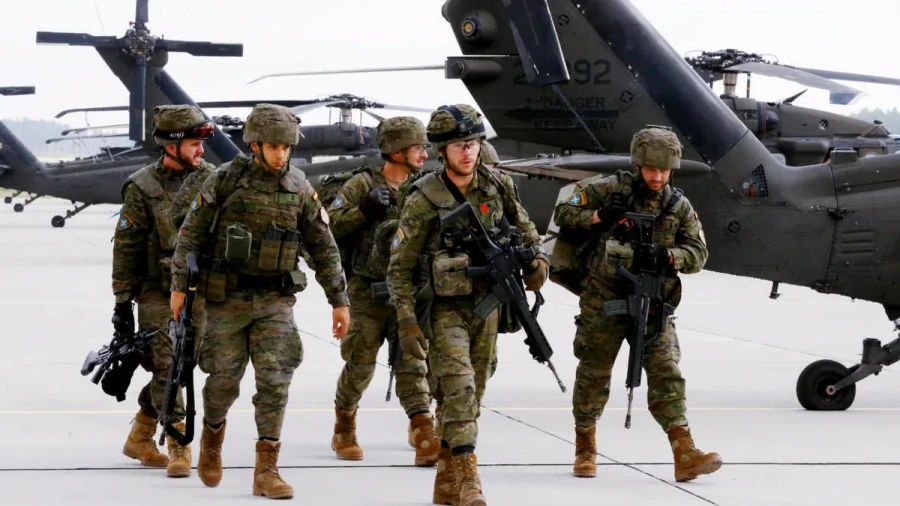
Despite the talk of peace, reports of warning shots around the Strait of Hormuz have surfaced, keeping the international community on edge. Iranian drone activities remain a frequent topic of discussion, signaling that surveillance and tactical readiness have not slowed down. Also, the continuous American military presence in the Persian Gulf and specific incidents near the Qeshm-Sirik coast indicate that the region is far from achieving true stability. This creates a massive paradox where the table for dialogue is set, yet security and military preparations are being ramped up simultaneously. If there were genuine trust between the two sides, such high levels of military alertness would likely not be necessary. The true test of any agreement isn't the signature on a document but the presence of trust, which currently appears to be missing as the chasm of suspicion between Washington and Tehran remains wide.
Political Implications for Benjamin Netanyahu
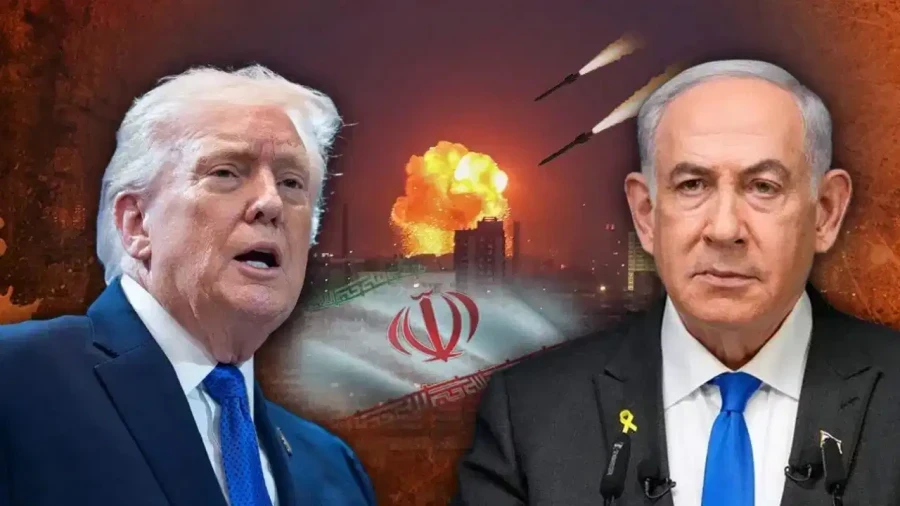
A potential deal between the US and Iran could signal the beginning of significant political hurdles for Israeli Prime Minister Benjamin Netanyahu. Israel views such a development as a direct threat to its national security. Several critical questions are likely to arise if a deal is finalized. Firstly, if a diplomatic settlement was the ultimate goal, the necessity of a large-scale conflict would be questioned. Secondly, if the Iranian regime, which has been portrayed as the greatest threat, remains intact and operational, the Israeli public might demand to know what was achieved after paying such a heavy price. Thirdly, the political opposition in Israel would gain a fresh opportunity to attack Netanyahu, questioning whether his policies were meant to stop Iran or if they merely birthed another prolonged conflict.
Internal Pressures and Credibility Risks
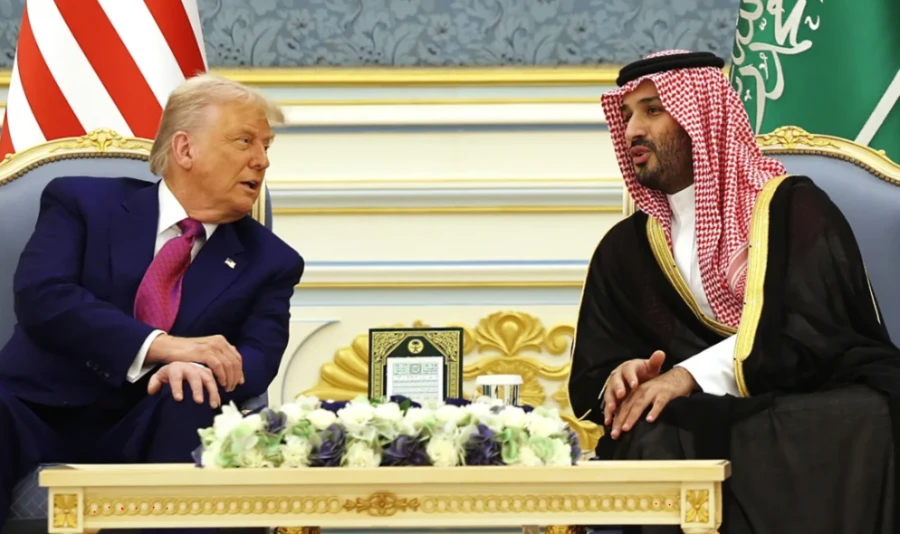
Netanyahu also faces pressure from within his own ranks, while his hardline coalition partners are unlikely to accept any form of soft agreement or compromise regarding Iran. Perhaps the most significant blow could be to Netanyahu's political credibility, while if the credit for a deal is taken by Washington, specifically under the leadership of Donald Trump, opponents could frame a narrative that the decisions were made in the US and Netanyahu was merely forced to accept them as a spectator. This makes the potential US-Iran deal not just a diplomatic event, but a major test of Netanyahu's political survival.
The Red Lines: Uranium, Missiles, and Drones
The path to a deal is obstructed by several 'red lines' held by the involved parties. The US is demanding that Iran take concrete steps regarding its nuclear program, specifically seeking immediate control over enriched uranium stockpiles. Iran, however, insists that its stocks remain within its borders and demands relief from sanctions and maritime pressure first. Israel remains skeptical, arguing that any economic benefit provided to Iran would eventually fund threats against Israeli security. The disagreement extends to Iran's missile and drone programs. While the US seeks strict monitoring and sanctions, Iran views these programs as matters of national sovereignty and security. Israel, on the other hand, demands even more stringent restrictions on Iran's missile capabilities, while with all three parties holding divergent non-negotiable positions, the diplomatic table remains a site of intense friction.