
- India,
- 01-Jun-2026 08:48 AM IST



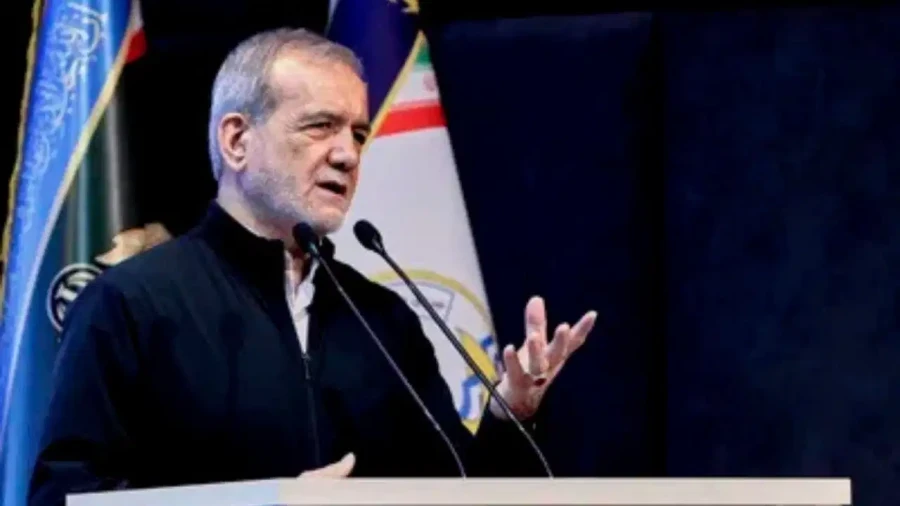
Amid escalating tensions in the Middle East and ongoing diplomatic maneuvers, reports regarding the alleged resignation of Iranian President Masoud Pezeshkian have surfaced, only to be swiftly denied by Tehran. The controversy began when Fox News, citing a report from Iranian media and an anonymous source from Iran International, claimed that Pezeshkian had submitted his resignation to the office of Supreme Leader Mujtaba Khamenei. These reports suggested a deep internal rift within the Iranian establishment, particularly concerning the influence of hardline factions over national policy and international relations.
Allegations of Internal Power Struggles
According to the reports, which cited an unnamed source from Iran International, Pezeshkian allegedly expressed his frustrations in a letter addressed to the Supreme Leader. The letter reportedly stated that his administration was being systematically excluded from major decision-making processes within Iran. The claims further suggested that hardline groups within the Islamic Revolutionary Guard Corps (IRGC) had seized control over critical national matters, leaving the presidency marginalized. The report went on to claim that Pezeshkian felt unable to effectively govern or fulfill his legal responsibilities under such circumstances, leading him to request an immediate departure from his post. However, it remained unclear whether the office of Supreme Leader Mujtaba Khamenei would consider or accept such a request.
Official Denial from the President's Office
The Iranian presidency was quick to respond to these claims, labeling them as entirely baseless and part of a broader misinformation campaign. Syed Mehdi Tabatabaei, the Deputy Head of Communications and Information Dissemination at the President's Office, issued a stern rebuttal. He stated that the unfounded and controversial remarks made by a fame-hungry individual regarding the president's position shouldn't be taken seriously. Tabatabaei emphasized that the childish behavior of a few misguided elements shouldn't be used to create a false narrative that the youth lack the capacity to govern the country. He noted that Iran is a nation filled with wise young people who have often lacked the opportunity for top-tier management roles.
Further dismissing the resignation reports, Tabatabaei characterized the rumors spread by a discredited foreign network as an extension of previous ridiculous media tactics. He argued that these outlets have presented their own fabricated ideas instead of reality. He reaffirmed that President Pezeshkian wouldn't back down from serving the people, just as the Iranian nation wouldn't retreat from the path of solidarity and resistance. He concluded by stating that those seeking to break Iran's unity would take their desires to the grave.
Trump Hints at a Potential Peace Deal
While internal rumors swirled in Tehran, US President Donald Trump provided a different perspective on the international stage. During an interview with his daughter-in-law, Lara Trump, which aired on Fox News on a Saturday night, Trump indicated that the United States and Iran are nearing a very significant agreement. Trump stated that the US is close to a very good deal, but cautioned that if Washington doesn't achieve its desired outcomes, it would resolve the matter through other means. He mentioned that while they're moving slowly but surely toward their goals, the administration is focused on securing a deal that meets US interests. These comments come at a time when the region remains on edge, and the possibility of a diplomatic breakthrough continues to be a subject of intense international scrutiny.