
- India,
- 29-May-2026 08:59 PM IST



The United States Navy has Notably escalated its military presence and surveillance operations in the Gulf region, specifically targeting Iranian maritime activities in the Arabian Sea. This move comes in the wake of the collapse of the Islamabad peace talks last month, which has led to a stringent naval blockade. Currently, the US has positioned more than 20 formidable warships around Iranian ports to monitor and restrict the movement of vessels. This strategic deployment is aimed at maintaining a tight grip on the maritime routes and ensuring that the blockade is strictly enforced.
Intensified Military Drills and Rappel Training
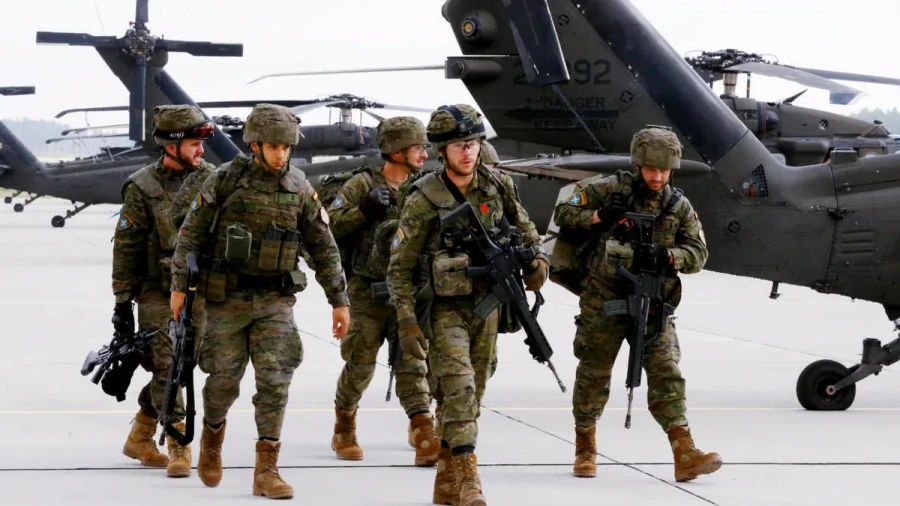
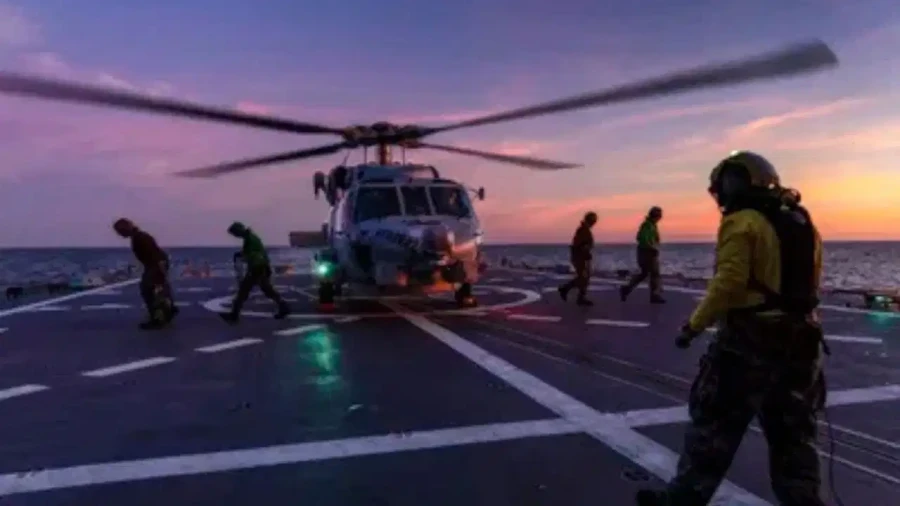
As tensions continue to simmer between Iran and the United States, the US Navy has ramped up its combat readiness in the Arabian Sea. According to reports from the US Central Command (CENTCOM), the USS Tripoli (LHA-7), a prominent American warship, recently hosted intensive military exercises. A key highlight of these drills involved the MH-60 Sea Hawk helicopters, which are currently stationed on the vessel. The crew conducted specialized Rappel Training, a high-stakes maneuver where soldiers descend rapidly from helicopters using ropes to land on ships or into the sea. This training is critical for rapid response and boarding operations during a naval blockade.
Impact of the Naval Blockade: 111 Ships Diverted
The naval blockade, which has been in place since the failure of the Islamabad peace talks in April, has already seen significant results. The US Central Command has confirmed that the presence of over 20 warships has forced 111 merchant vessels to alter their planned routes. These ships were diverted to prevent them from engaging in trade with Iran. Despite the strict measures against Iranian-linked traffic, the US has clarified that non-Iranian vessels passing through the Strait of Hormuz aren't being obstructed, and their movement continues as normal. Although a fragile ceasefire is currently in effect in the region, the atmosphere remains tense, and US forces are maintaining constant maritime patrols to uphold the blockade.
The Lethal Capabilities of the MH-60 Sea Hawk
The MH-60 Sea Hawk helicopter is playing a pivotal role in these operations. Recognized as one of the most advanced and dangerous multi-role naval helicopters in the world, it serves as a primary tool for the US Navy. One of its most significant strengths is its anti-submarine warfare capability, while equipped with highly advanced sonar systems and sensors, the Sea Hawk can detect and track enemy submarines hidden deep beneath the ocean surface, making it a formidable hunter in maritime environments.
Weaponry and Special Forces Integration
The MH-60 Sea Hawk isn't just a surveillance tool; it's a heavily armed combat machine. The MH-60R variant can be equipped with a variety of lethal weapons, including anti-ship missiles, torpedoes, and heavy machine guns. This allows it to neutralize everything from large enemy warships to small, fast-moving combat boats. On top of that, it's the preferred choice for elite special forces like the US Navy SEALs. The ongoing rappel and fast-roping training in the Arabian Sea demonstrate why this helicopter is essential for special operations, providing the speed and reliability needed for high-risk missions.
All-Weather Performance and Technical Specifications
One of the standout features of the Sea Hawk is its ability to operate in all weather conditions. Designed to be deployed from US warships and aircraft carriers, it can complete missions in dense fog, heavy rain, or the pitch darkness of night. It's equipped with specialized FLIR thermal cameras and advanced radar for long-range surveillance. In addition to its combat roles, the helicopter is also used extensively for search and rescue missions. Technically, the Sea Hawk is powered by twin turboshaft engines, allowing it to reach a maximum speed of 270 kilometers per hour. It has an impressive operational range of approximately 830 kilometers on a single flight, making it capable of sustained surveillance, attack, and rescue operations across the vast stretches of the Arabian Sea.