
- India,
- 14-Sep-2026 07:32 AM IST



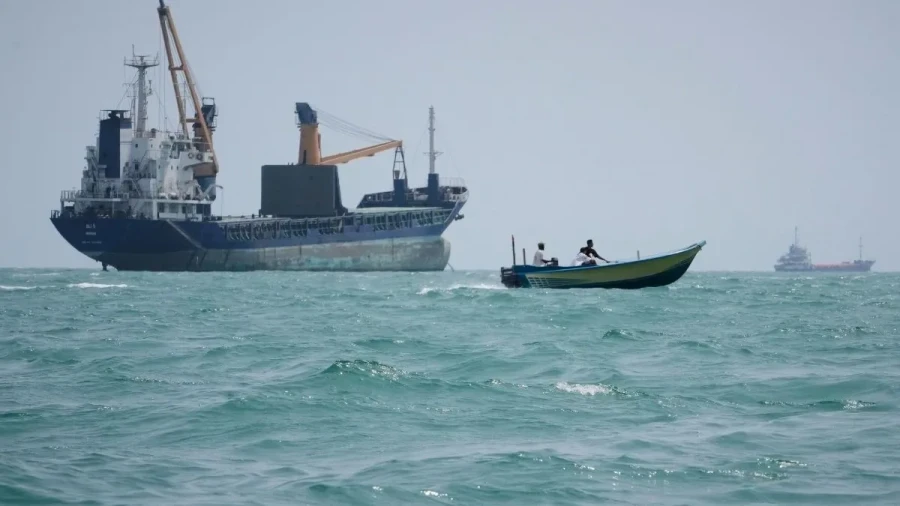
Tensions in the Strait of Hormuz have escalated Importantly following a violent attack on an Iranian cargo ship near Qeshm Island. According to reports, the incident resulted in the death of one individual and left four others injured. This attack has once again drawn global attention to the strategic waterway, especially following recent threats to shipping in the region. The incident occurred just as Tehran was preparing to share its controversial plans for managing shipping in the Hormuz Strait with neighboring countries, a move that has now been postponed due to the unfolding situation.
Details of the Attack and Casualties
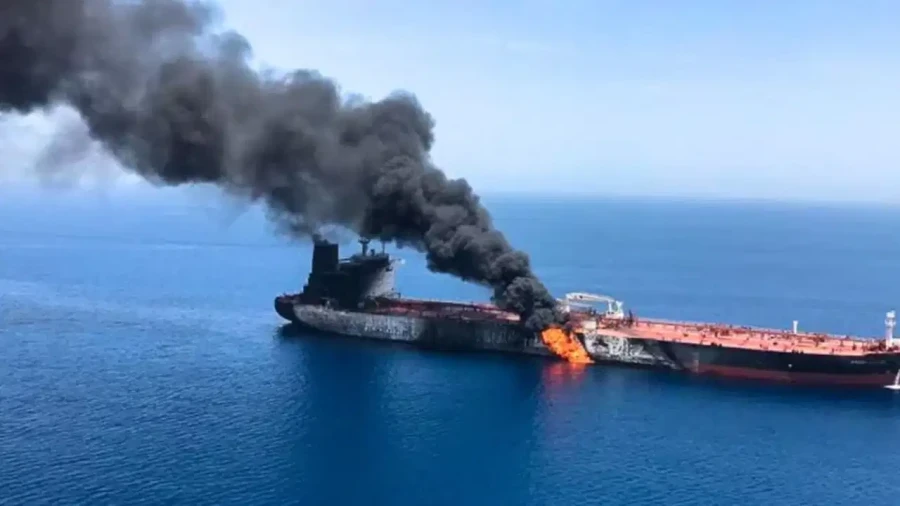
The attack took place near Qeshm Island, a critical location for maintaining Iranian control over the Strait of Hormuz. The Governor of Qeshm, as quoted by the official Iranian news agency IRNA, attributed the responsibility for the Sunday attack to a terrorist enemy. While the specific nature of the attackers wasn't immediately clarified, the impact was severe, with one person losing their life and four others sustaining injuries, while the United Kingdom Maritime Trade Operations monitor confirmed that a ship was struck by a projectile while transiting the strait. The impact caused a massive fire on board, necessitating the evacuation of personnel by local authorities. The United States military has noted a significant oil spill in the area as its forces continue to assist in guiding ships along the coast of Oman amidst the persistent threat of attacks.
Political Defiance from Tehran
In the wake of the attack, the Iranian government has maintained a firm and uncompromising stance, while president Masoud Pezeshkian addressed the nation and the international community through a social media post, asserting that the Iranian people wouldn't be intimidated or forced into submission. He stated that Iran wouldn't kneel before its adversaries, emphasizing a spirit of national resilience. This rhetoric comes at a time when the region is already on edge due to the activities of Iran-backed Houthi rebels, who recently seized an island in the Bab al-Mandeb Strait in the Red Sea, further complicating the security landscape for international shipping.
Donald Trump's Reaction and US Stance
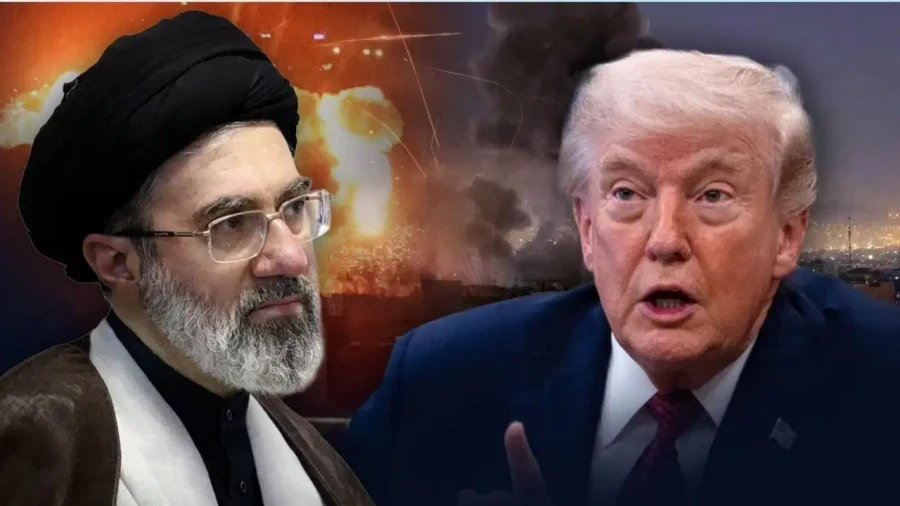
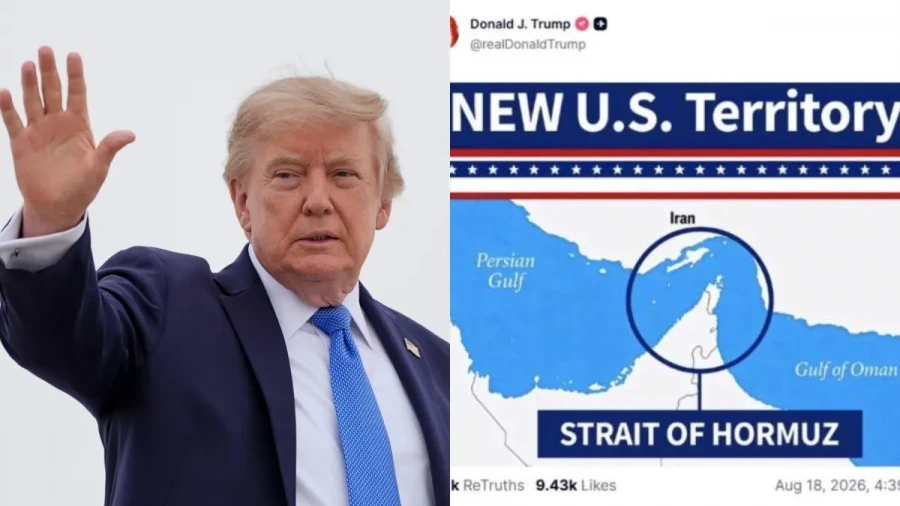
Former President Donald Trump offered a different perspective on the situation, while speaking from his golf course in Doonbeg, Ireland, where he was attending a tournament, Trump claimed that Iran is desperate for a deal and has been making frequent phone calls. When specifically questioned by a reporter regarding whether the United States was responsible for the Sunday morning attack on the Iranian cargo ship in the Strait of Hormuz, Trump chose to remain silent on the specifics, while he stated that he didn't want to comment on the matter before boarding Air Force One to return to Washington. Meanwhile, the US military has not issued an immediate official comment on this specific incident, although it has previously engaged in actions against Iranian-flagged vessels during blockades of Iranian ports.
Postponement of Regional Shipping Talks
The attack has directly impacted diplomatic efforts to manage the waterway. Iran had proposed a meeting of regional foreign ministers in Oman to discuss joint efforts between Iran and Oman to manage shipping traffic. However, Omani Foreign Minister Badr Al-Busaidi announced late Sunday that the meeting had been postponed to allow for the building of a broader consensus. Al-Busaidi reiterated Oman's commitment to fostering dialogue that supports regional stability and long-term cooperation. The proposed meeting had seen mixed interest, with Iraq being the only country to publicly confirm its participation, while Bahrain declined due to a lack of diplomatic ties with Tehran.
Strategic Objectives and Diplomatic Outreach
Iran's long-term objective in the Strait of Hormuz involves establishing a system for collecting fees from passing vessels. Tehran has suggested that traffic entering the Persian Gulf would pass through Iranian waters, while outgoing traffic would be split between Iranian and Omani waters. Amidst these strategic maneuvers, President Pezeshkian also highlighted recent diplomatic efforts during a global summit of developing nations. He mentioned a positive conversation with Sheikh Khalid bin Mohammed bin Zayed, the Crown Prince of Abu Dhabi, during the BRICS summit in New Delhi. Pezeshkian noted that the discussions focused on addressing concerns and moving past historical grievances to build a collaborative future, despite the fact that Iran has previously launched numerous missiles and drones at the UAE, a close US ally.